
December 7 carries historical weight well beyond the tech world, but for those who covered Microsoft in the ’90s, the date has another resonance. Thirty years ago today, Bill Gates gathered more than 200 journalists and analysts at Seattle Center to declare that the company was going “all-in” on the internet.
As managing editor for Microsoft Magazine at the time, I was there, and I remember it well. Three decades later, I can’t help but see the parallels to Microsoft’s current AI push.
The moves that Microsoft kicked off that day to build internet connectivity into all its products would reverberate throughout the next decade, helping to lay the foundation for the dot-com boom years and arguably the eventual rise of cloud computing.
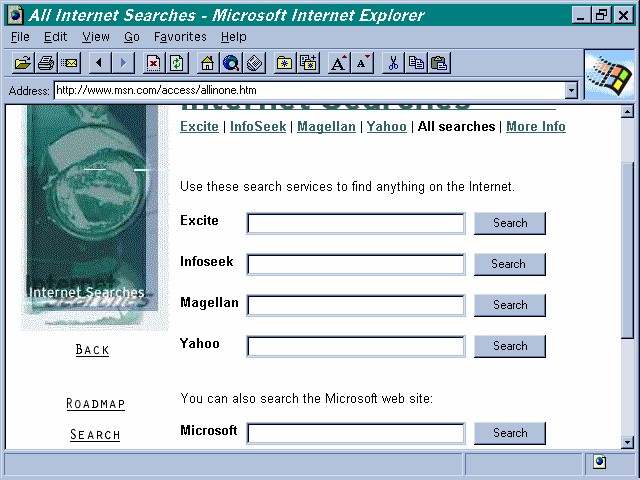
The release of Internet Explorer 2.0 as a free, bundled browser, the internet-enablement of Microsoft Office, the complete revamping of the still-new MSN online service, Microsoft’s licensing of Java from Sun Microsystems and a focus on how the internet might be used commercially were all pieces of the Microsoft plan unveiled that day.
“The internet is the primary driver of all new work we are doing throughout the product line,” Bill Gates told the assembled technology press in 1995. “We are hard core about the internet.”
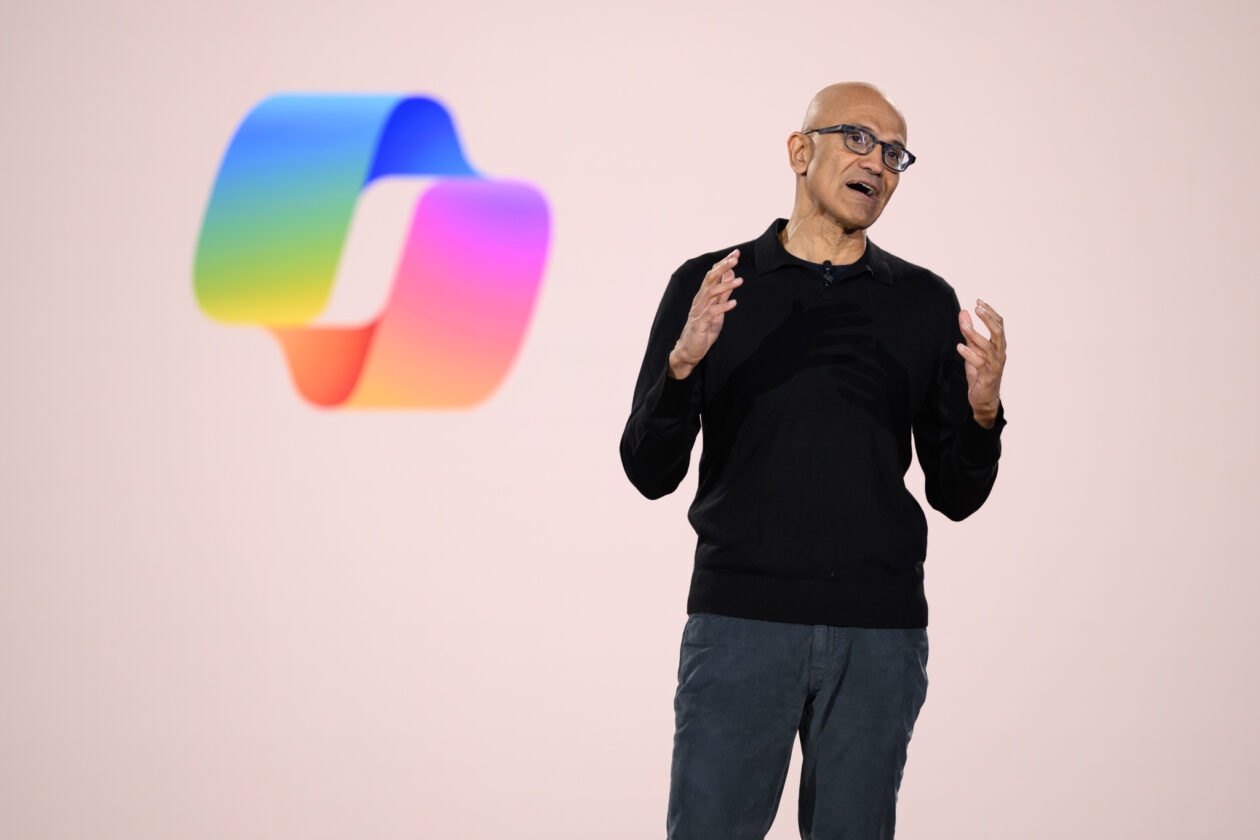
Substitute the word “AI” for “internet” and you have a statement that current Microsoft CEO Satya Nadella could have made at any moment in the last couple of years.
“Fifty years after our founding, Microsoft is once again at the heart of a generational moment in technology as we find ourselves in the midst of the AI platform shift,” Nadella wrote in his 2025 annual letter to shareholders. “More than any transformation before it, this generation of AI is radically changing every layer of the tech stack, and we are changing with it.”
Whether you are using the Microsoft Azure cloud platform; running a Windows 11 PC, tablet, or laptop; spending time on LinkedIn; or using Microsoft 365, you will find AI baked in.
Comparing then and now, there are insights in both the similarities and the differences, and lessons from Microsoft’s mid-’90s missteps and successes that are still relevant today.
What’s the same?
The challenge of navigating the shift to a new generation of technology in a large, fast-moving company is the biggest similarity between now and 30 years ago.
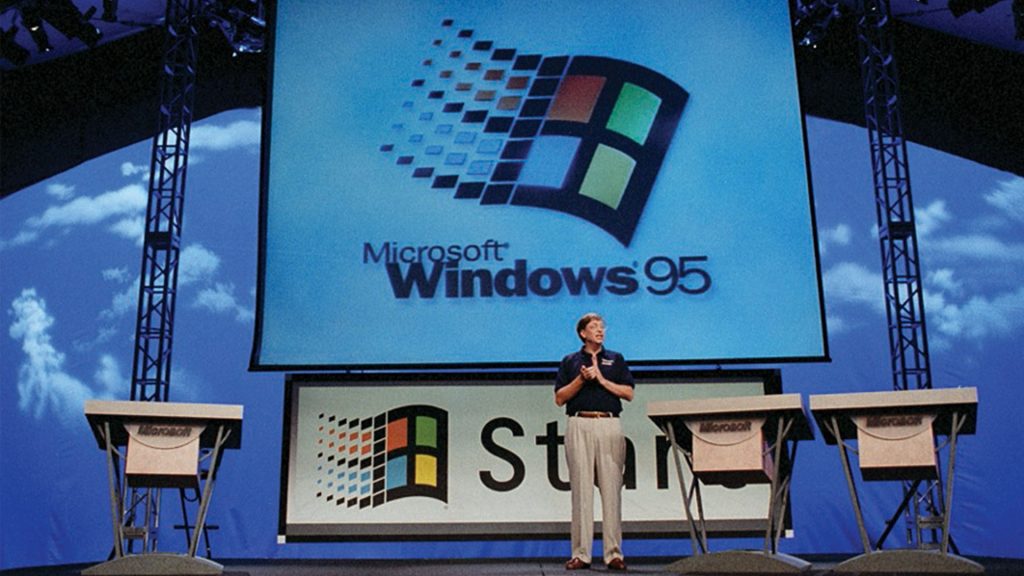
Microsoft was a lot smaller in 1995, but it was still the dominant force in the software industry of its day. When the company launched Windows 95 in August of 1995, it came with the first versions of both Internet Explorer and MSN. Within four months, it had to ship new, better versions of those products alongside a whole lot of other changes.
The push for speedy change grew out of something the company had been telling its senior leaders for several months prior to the launch of Windows 95: It had to move fast and do more if it was going to catch up in a race that it couldn’t afford to lose.
Gates’ famous “internet tidal wave” memo from May 26, 1995 (which later became an antitrust exhibit) spelled out both the threat and opportunity — calling the internet “the most important single development to come along since the IBM PC was introduced in 1981.”
Later in the memo, Gates acknowledged a significant problem: Microsoft would have to explain why publishers and internet users should use MSN instead of just setting up their own website — and he admitted that the company didn’t have a great answer.
Fast forward to March 2023, a few months after Microsoft partner OpenAI launched ChatGPT, when Satya Nadella made the scale of the AI era clear in a speech on the future of work.
“Today is the start of the next step in this journey, with powerful foundation models and capable copilots accessible via the most universal interface: natural language,” Nadella said. “This will radically transform how computers help us think, plan, and act.”
Of course, Microsoft CEOs have learned a lot over the last 30 years, including the importance of not pointing out the company’s shortcomings in memos that could end up being seen by the rest of the world. Nadella offered nothing like Gates’ MSN admission. But his comments about the size of the AI challenge and opportunity were a direct parallel to the urgency that Gates expressed about the internet 30 years ago.
What’s different?
In the world of PC operating systems and software, Microsoft in the 1990s was king — with few competitors that came even close to the kind of market share it enjoyed. It was arguably late in making a bet-the-company pivot to the internet, but doing so from a very strong position.
Thirty years later, amid the rise of artificial intelligence, Amazon, Google, Nvidia, OpenAI, and Anthropic are part of a more complex network of competitors and partners.
Back in 1995, the big competition was perceived as coming from Netscape and other fast-moving internet startups — and Microsoft was the behemoth battling the insurgents.
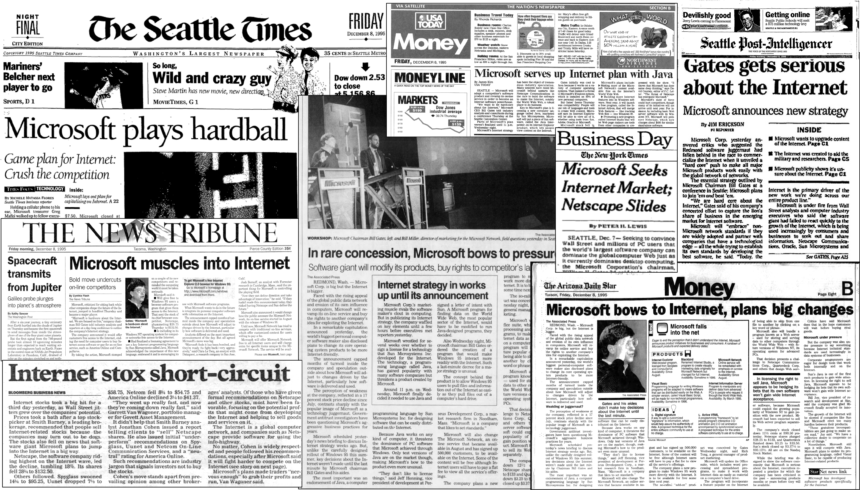
The New York Times’ headline about the 1995 event summed up the framing: “Microsoft Seeks Internet Market; Netscape Slides.” As The Seattle Times put it, “Microsoft plays hardball — Game plan for the Internet: Crush the competition.” Many others echoed the theme.
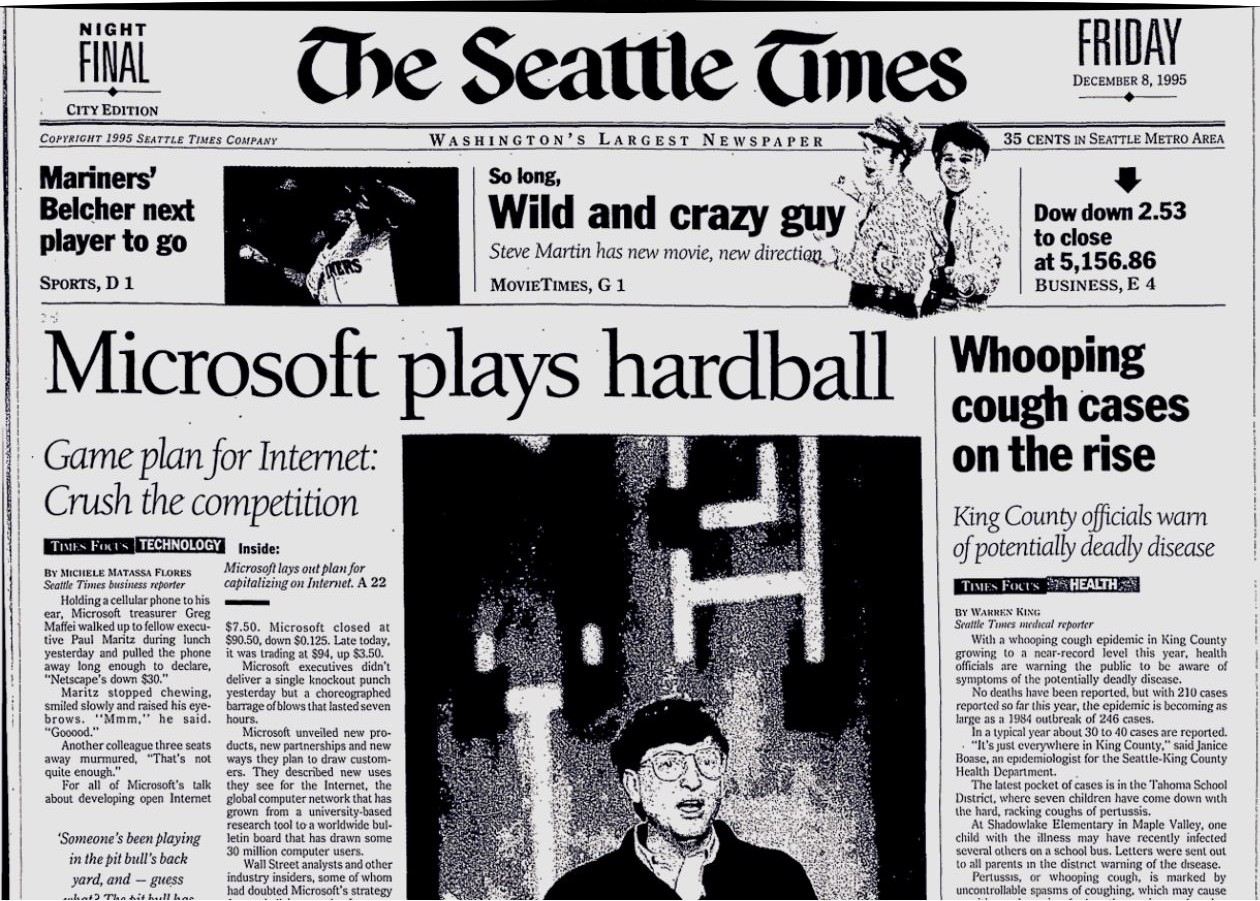
I saw that competitive dynamic first-hand at the press event, when by a stroke of luck I ended up sitting beside Bill Gates at lunch. I recall him being a little annoyed by questions about the Java licensing deal with Sun and the broader press interest in the Netscape/Microsoft narrative. He wanted to focus on the broader impact of the day’s announcements.
He stressed, for example, that the licensing by Microsoft of Sun’s Java programming language for use with Microsoft’s Internet Explorer browser was not really a big deal.
“Java you can recreate trivially,” Gates told me, brushing off the licensing deal as a routine business decision, not much different than many others Microsoft made over the years.
The scale is also drastically different. For example, my January 1996 cover story for Microsoft Magazine quoted Gates explaining how the “150 million users of Windows” would benefit from the internet integration it was undertaking across 20 new products and technologies.
In today’s terms, those numbers look tiny. In a blog post earlier this year, Microsoft executive vice president Yusuf Mehdi said Windows now powers more than 1.4 billion monthly active devices. That doesn’t include Microsoft’s massive cloud computing business, Microsoft 365, LinkedIn, Xbox, and its already-significant AI-attributable revenue from Copilot.
The investment gap is more dramatic, even adjusted for inflation. Microsoft poured more than $88 billion into capital expenditures last fiscal year, much of it on AI infrastructure. In 1995, the company’s $220 million deal with NBC to launch MSNBC sounded like a lot of money.
That MSNBC deal, however, highlights another important contrast between the present and the past. In 1995, no one really knew where the internet (and the web) was going to go. Fortunes were made and lost trying to predict which business models would work online.
Tim Bajarin, CEO of the consultancy Creative Strategies and a longtime industry analyst, says Microsoft is better positioned now than it was in 1995. The difference: we already have the underlying architecture for useful AI applications. That wasn’t true with the internet back then.
“We didn’t see the value proposition until we saw the role of applications built on a web-based architecture,” Bajarin said. “That is what is significantly different.”
Lessons for today
Microsoft’s AI push, Bajarin said, will succeed only if it delivers genuine value — implementations that solve real problems and show clear return on investment.
Recent headlines suggest not everyone is convinced. ‘No one asked for this’: Microsoft’s Copilot AI push sparks social media backlash, declared Germany’s PC-WELT magazine. It’s the same question Gates couldn’t answer about MSN in 1995: Why should anyone use this?
Perhaps the biggest lesson on the competition front is that there is no guarantee of longevity or relevance in tech. Only one of the competitors listed in the December 1995 New York Times story is still around – IBM – and it is a vastly different company than it was then.
There is one more lesson, about the cost of success. Microsoft’s aggressive internet push worked — but it also triggered a Department of Justice investigation that lasted from 1998 to 2001. Competing hard is essential. Competing too hard has consequences.
But that’s a story for another decade.
Read the full article here