

- This could simply be a matter of scale, given there are millions more iPhone users than before — and millions more second-user devices that may not run the latest systems.
- It might also reflect a change in people’s attitudes toward updates, and quite possibly reflects the fact that Apple is becoming more proactive at ensuring security updates are installed even without major point upgrades. The main thing is that people upgrade eventually.
- Apple has become a lot more iterative in its approach to updates; while it does ship compelling upgrades from time-to-time, it typically teases out big feature improvements along with each major point upgrade. This also means that eventually during the 12-month lifecycle of an OS version, Apple will ship an improvement that will finally motivate an otherwise reticent customer to upgrade.
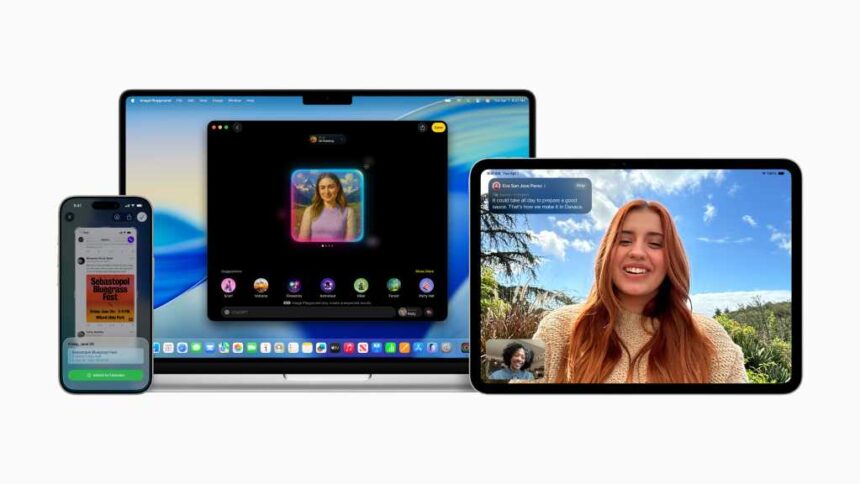
Apple Intelligence and Liquid Glass might have dented adoption, at least among those who expected more of the first and want less of the second. But Apple’s latest data suggests the impact of both things is far, far more limited than online social media would lead you to expect (which may sound familiar). Another factor is the rate and cadence at which the company introduces major updates seems slightly extended this year, likely reflecting the company’s wider product introduction plans, about which we’ll learn more in March.
Apple is not Android
So, has adoption of the latest Apple system upgrades slowed? Not significantly, and what deceleration does exist is easily explained by other completely acceptable factors.
Of course, what’s most important isn’t so much the numbers themselves as the confidence they should give developers that Apple continues to convince hundreds of millions of people to upgrade to new operating systems relatively swiftly. That means developers can focus on the most recent versions rather than spending much energy supporting old ones.
Read the full article here