
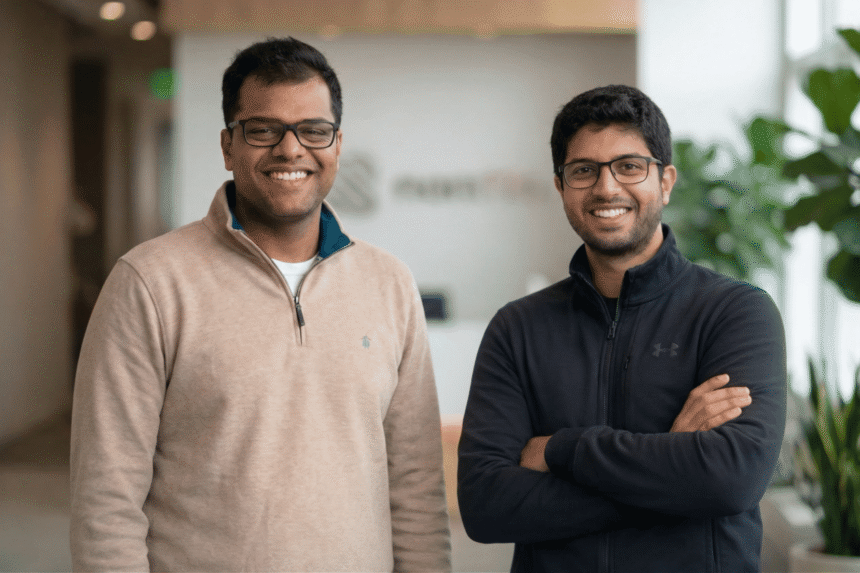
OpenCFO, a Seattle-based startup tackling the “fragmented and manual” nature of modern finance, has raised $2 million to automate financial functions for mid-sized companies.
“CFOs are being asked to operate with greater speed and accuracy than ever, yet the underlying finance stack remains fragmented and manual,” said Prudhvi Rao Shedimbi, co-founder and CEO of OpenCFO, in a statement.
To address that challenge, OpenCFO unifies accounts payable, accounts receivable and treasury into a single system — connecting directly to banking, payment infrastructure and enterprise resource planning (ERP) platforms. Human oversight is built in through approvals and audit trails.
“By combining agentic AI with modern treasury infrastructure, we’re building a unified platform that automates financial operations while giving finance teams enhanced visibility and control,” said Sankalp Singayapally, co-founder and chief operating officer.
The startup launched in December, now has a team of 15, and is hiring for roles in engineering, customer success and sales.
Before co-founding OpenCFO, Shedimbi served as an engineering manager at StarTree, an analytics tech company, and previously held engineering roles at Confluent and CrowdStrike.
Singayapally was an engagement manager at Keystone AI prior to OpenCFO, and served as an intern at Endiya Partners while earning an MBA at Harvard Business School. He worked as an R&D engineer at Bloomberg earlier in his career.
The funding round was led by Endiya and included participation from angel investors in the U.S. and India.
Startups are hustling to apply agentic AI to the back office to autonomously perform complicated financial operations. Investors have been backing platforms serving big enterprises, while a newer crop of startups like OpenCFO is bringing similar automation to mid-sized companies.
StreamOS, Cartwheel and Fazeshift are the startup’s fintech competitors, according to PitchBook, while the analytics site Bayelsa Watch pointed to Fyorin and Kolleno as comparable early-stage rivals.
Read the full article here