
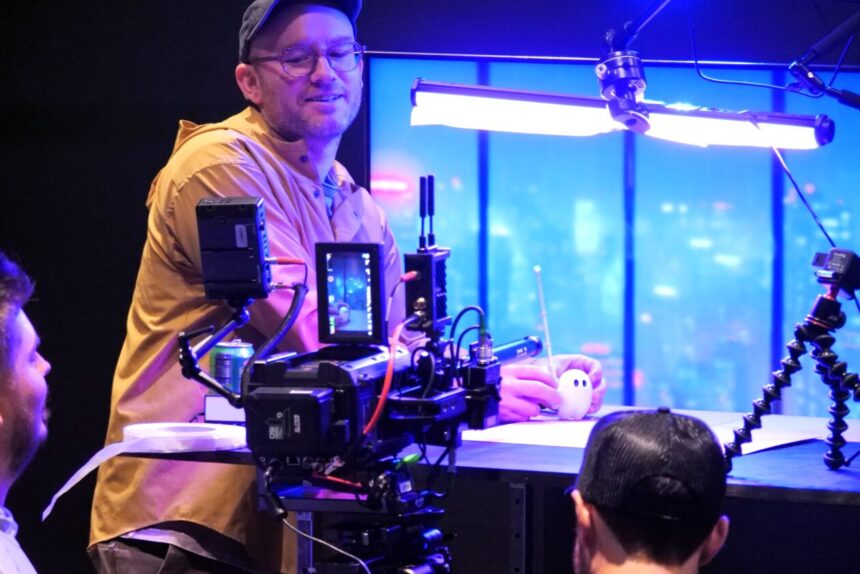
On a rainy afternoon last November at Seattle Center, I walked into a darkened studio and found a film crew huddled around a miniature set, manipulating action figures representing software developers, a hero-protagonist ghost, and a monster representing AI slop.
Now this is different, I remember thinking to myself.
It was a stop-motion animation shoot for Kiro, an AI-powered software development tool from Amazon Web Services. When I learned that this crew was using AI to create the video in ways that wouldn’t have been possible in the past — or would have taken far more time using traditional techniques alone — I knew I had to sit down and talk with them.
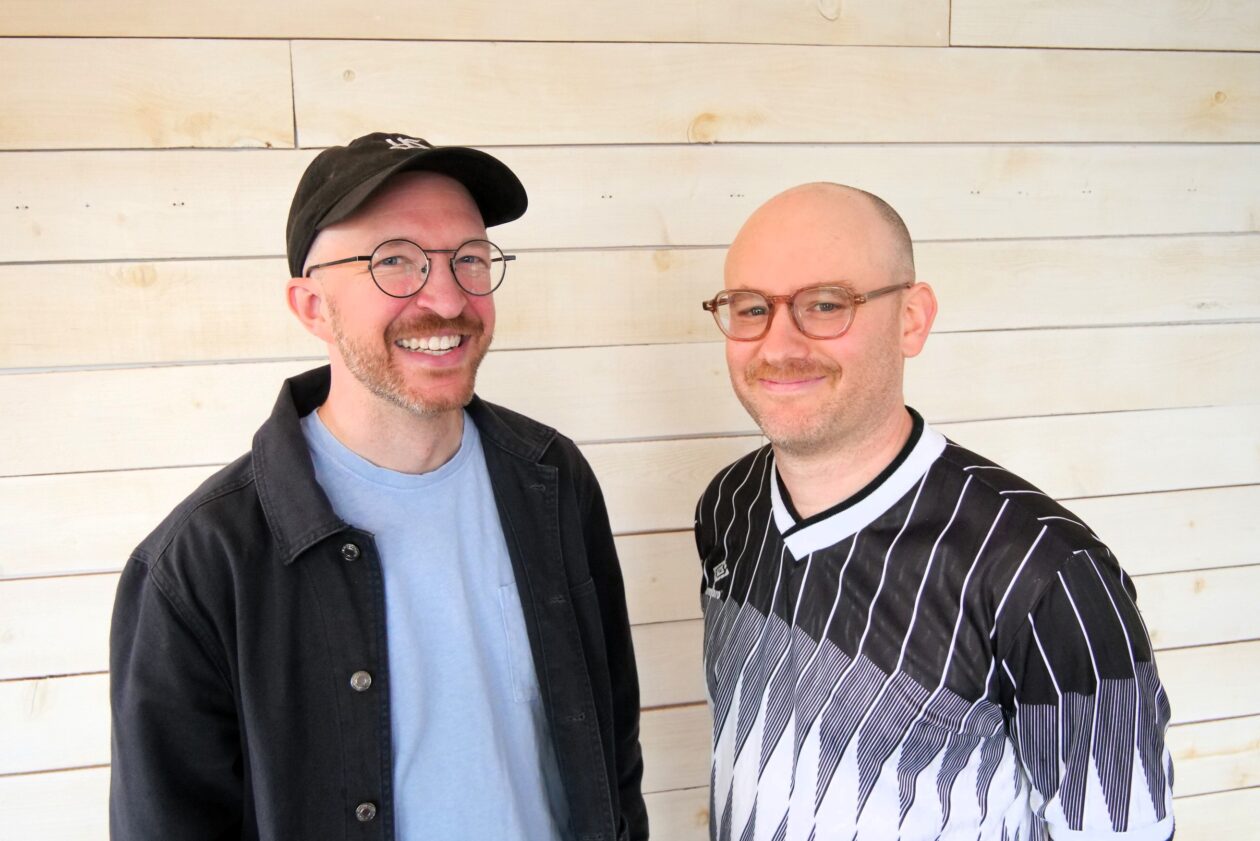
This week on the GeekWire Podcast, I’m joined by Brice Budke (president) and Zeek Earl (executive creative director), who run two Seattle studios: Shep, a video agency that works with tech companies like Amazon and Microsoft, and Packrat, a creative studio that specializes in miniature worlds, handmade sets, and retro creative projects.
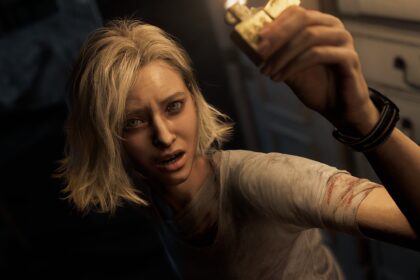
Here’s one of the videos that Packrat made from the AWS Kiro shoot, using AI to help fill in the gaps between start and end frames that they were capturing when I visited:
You might also know Packrat’s work from the epic and widely watched 2025 Seahawks schedule release video, which won a Gold Clio. They also made “Prospect,” an indie sci-fi film that premiered at SXSW in 2018, starring Pedro Pascal and Sophie Thatcher.
Brice and Zeek discuss how AI is transforming their work, including what’s working, what’s not, and how they’re navigating the changes on both the creative and business sides of their studios.
Listen below, and keep reading for key takeaways. Subscribe to GeekWire in Apple Podcasts, Spotify, or wherever you listen.
AI doesn’t necessarily save money. Getting usable output from AI video tools is still a numbers game. “To get one usable shot in a final piece, you might need 1,000 generations,” Zeek says, referring to the process of prompting the model to create a new variation. The time and expertise required to wrangle those tools means there’s not always a clear cost savings over traditional production.
Taste and intuition matter more than ever. As AI handles more of the analytical and task-oriented work, the human value shifts to ideas, perspective, and judgment. “Ultimately somebody has to have a point of view and taste and a perspective to put in,” Brice says. “If you take that out, you’re just up for the slot machine, random chance generator.”
Brand standards create unique challenges for AI. Unlike the random AI-generated content flooding the web, brand work demands consistency. Kiro has a distinct character, and Zeek couldn’t have AI generate approximations that felt different in every frame.
The Kiro project was a breakthrough in part because it combined handmade production design with AI-assisted animation, giving him creative control rather than forcing him to work around the limitations. “Doing the Kiro project was the first time I felt in control of AI,” he said.
AI defaults to the generic. Generative AI “is always pulling you towards the middle,” Zeek explains. “It is always pulling you towards things that are derivative.” The distinctiveness of handmade work comes from the accumulation of human decisions, something AI can’t replicate.
The sheer pace of change is a huge challenge. The AI video landscape is moving so fast that workflows become outdated almost immediately, and it’s hard to keep up with the capabilities of generally available tools. “It’s chaos,” Brice says. Every time a new project comes up, they have to reassess which tools might be right for the job, given the evolution.
Working with infinite tools is psychologically brutal. Generative AI offers endless possibilities, which means you can never be fully satisfied. “As a creative person, when you’re working with an infinite tool, there’s always the possibility that something better could come,” Zeek says. “At the end of a day of doing AI, you can just feel physically terrible because you will have never actually reached a level of satisfaction with your work.”
Every creative is going through the stages of grief with AI. Zeek says he’s moved past feeling threatened or sad about the changes. “I’m really trying to focus on what it can do to bring out visions that were previously impossible,” he says. His hope and dream: that lower production costs will enable more weird, interesting human creativity, not less.
The future belongs to ideas, not busy work. Brice sees a shift in human focus toward generating ideas, rather than simply producing output. If AI can handle more of the analytical and task-oriented work, he says, it frees up space to focus on ideas, taking advantage of your own intuition and taste, areas where humans still have the edge.
Subscribe to GeekWire in Apple Podcasts, Spotify, or wherever you listen.
Audio editing and production by Curt Milton.
Read the full article here