
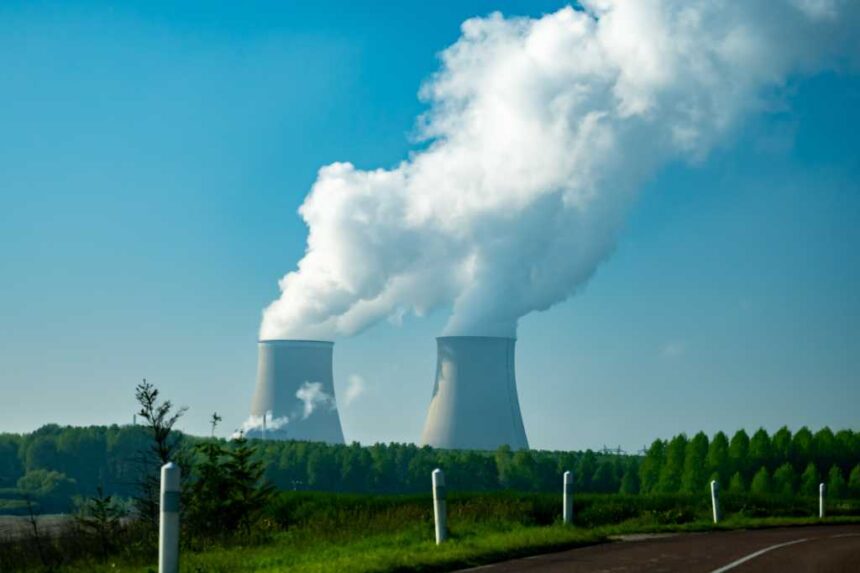
Finally, he said, “I don’t think I need to spend too many words on articulating the value of nuclear to the hyperscale or AI data center. The era of the gigawatt datacenter is upon us, and the traditional means of generating power can’t support this insatiable demand. But we have to ensure we deploy power infrastructure, such as SMRs, in a responsible, ethical, and safe manner.”
Further to that, Gogia pointed out that for CIOs and infrastructure architects, the risks extend well beyond potential radiation leaks. “What matters more immediately is that system anomalies — mechanical, thermal, software-related — may not be documented, investigated, or escalated with the diligence one would expect from an NRC-governed facility,” he said. “This has a direct impact on uptime guarantees, incident response, and the validity of disaster recovery protocols. Power stability becomes less predictable. Maintenance windows may widen. Root cause analysis becomes speculative, particularly in the absence of rigorous operational logs, comprehensive event tracking, or independent oversight.”
The most underappreciated change in this shift, Gogia added, ”is not what was cut, but who now decides what is good enough. The move from independent NRC oversight to internal DOE authorization creates a fundamental misalignment between how enterprise risk is managed and how reactor safety is being governed. In simple terms: the referee now plays for the home team.”
Read the full article here