
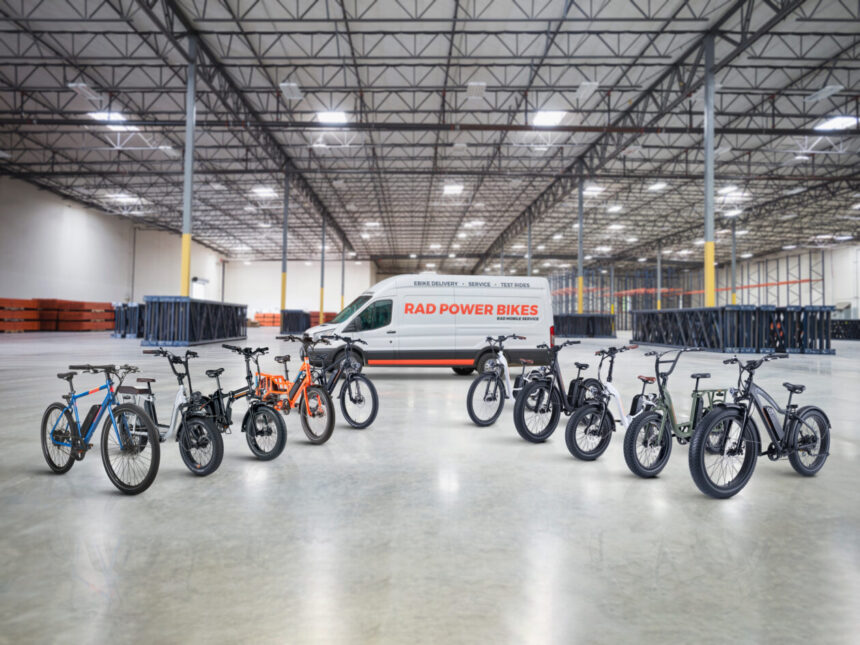
In a Chapter 11 bankruptcy petition filed this week by Rad Power Bikes, the Seattle-based electric bike maker lists creditors holding the 20 largest unsecured claims against the company.
At the top of the list? Not a major supplier, or partner, but U.S. Customs and Border Protection, which is owed more than $8.3 million by Rad for tariffs, according to the filing. The claim is one of several listed as “disputed” by the company.
The situation underscores the financial strain facing Rad and the broader e-bike industry after rapid growth during the COVID-19 pandemic gave way to slowing demand, rising costs and lingering trade pressures.
A Rad spokesperson said Wednesday that the company is not able to comment on specific line items in its filing. In a November letter to employees warning that the company could shut down as early as January, Rad cited “significant financial challenges, including in the form of tariffs and the macroeconomic landscape.”
Tariffs have drawn increasing scrutiny from the e-bike industry. A recent report by The Washington Post, examined how import duties under both the Biden and Trump administrations sent expenses spiraling for Rad and other bike companies that rely on Asian manufacturing.
Tariffs are “stressing U.S.-based companies, in some cases past the breaking point, while not seeming to have much effect on foreign marketplace sellers who are doing business as usual,” Matt Moore, policy and general counsel of the trade group PeopleForBikes, told the Post.
PeopleForBikes said in October that lagging bike sales and consumer pullback were being exacerbated by tariff concerns.
RELATED: The rise and fall of Rad Power Bikes: From breakout success to the brink of shutdown
Rad launched in 2015 with a direct-to-consumer model and sub-$2,000 e-bikes aimed at casual riders. Demand surged during the pandemic, climbing nearly 300%, and in 2021 the company raised more than $300 million, reaching a valuation of $1.65 billion and branding itself as North America’s largest e-bike seller.
That momentum faded in 2022 as demand cooled. In its letter to employees last month, Rad said it did not anticipate “the sudden drop in consumer demand from COVID-era peaks,” leaving the company with excess inventory.
In its bankruptcy filing this week, Rad revealed a steady drop in gross revenue — from $129.8 million in 2023 to $103.8 million in 2024, and $63.3 million so far this year. The company reported total liabilities of nearly $73 million, more than double its assets of $32 million.
Ed Benjamin, chairman of the Light Electric Vehicle Association, told the Post that tariffs created “confusion and chaos” across the industry, making future purchasing decisions difficult amid uncertainty over costs.
The Post detailed why the Biden administration allowed an exemption for e-bikes from tariffs on Chinese imports — first imposed in 2018 — to expire last year. The e-bike industry’s average tariffs have risen from about 11% to between 20% and 55%, according to PeopleForBikes.
Several industry publications have warned that layered trade policies — including China-focused tariffs, battery duties and steel restrictions — are raising prices and squeezing manufacturers. Numerous e-bike companies, including E-Cells, Kent International, Fuell, Juiced, and Electric Bike Company, have cited tariffs as a factor in shutdowns or bankruptcies.
“There’s no coherent strategy here, just a patchwork of protectionist measures that hurt importers, confuse dealers, and raise prices for consumers,” EV news website Electrek wrote. “If the U.S. wants to promote micromobility and clean transportation, it’s going to need smarter policies than this.”
A day after Rad filed for bankruptcy protection this week, U.S. Customs and Border Protection said it has collected more than $200 billion in tariffs under more than 40 executive orders issued during the Trump administration.
“This figure underscores CBP’s effectiveness in promoting secure, fair, and compliant trade,” the agency said.
The U.S. Supreme Court is weighing whether Trump exceeded his authority in imposing the tariffs. Costco and dozens of other companies have filed lawsuits seeking refunds if the court rules the duties unlawful.
Read the full article here