
Causality Chain is a series at PC Gamer exploring the unlikely links between history, culture, and videogames.
Every time you cast a meteor spell in Diablo 2 or a cloud of daggers in Baldur’s Gate 3, you are taking part in a chain of history—a causality chain, if you will—that dates back to the 18th century, when nobody had thought about taking a “warlock dip” since the Salem witch trials. And at that time, it had a very different meaning.
Today we trace the arc of history from the death of the agrarian period, all the way forward to that time you managed to set fire to five goblins at once and felt quite good about how clever you were. We chart the curious contours of cause and effect, and then we put our chins into our hands and we say, “Hmmm. Yes. This is good.”
Latest Videos FromPC Gamer
Join us as we tip the dominoes that link the past to the present, then watch the huge and intricate Rube Goldberg machine known as “history” fall over into a heap of discarded playing pieces.
The industrial revolution 🔗 Area-of-effect spells in RPGs
Rise of Industry
1760–1840: Technological advances including improvements to the steam engine and the viability of larger blast furnaces thanks to the substitution of coke for old-fashioned charcoal—combined with various other social and economic factors—radically changes daily life for many people. During this Industrial Revolution, skilled craftsmen are replaced by machine tools and the factory system becomes widespread.
Also the social policy trees for Order and Autocracy are unlocked, and we can finally research Dynamite, Electricity, and Refrigeration on the tech tree.
The Black Country
1896: J. R. R. Tolkien’s family moves from Birmingham to rural Worcestershire. The four-year-old Tolkien discovers a love for the English countryside that will later inform his writing. His aunt’s farm, Bag End, gives its name to the Baggins’ home, and places like Moseley Bog in Shire Country Park inspire the Old Forest in the Shire.
“It was a kind of lost paradise,” he will later tell a journalist in his first newspaper interview. It was an area that had survived industrialization—though not for long. As he says in an introduction to the second edition of The Lord of the Rings:
“The country in which I lived in childhood was being shabbily destroyed before I was ten, in days when motorcars were still rare objects (I had never seen one) and men were still building suburban railways. Recently I saw in a paper a picture of the last decrepitude of the once thriving corn-mill beside its pool that long ago seemed to me so important.”
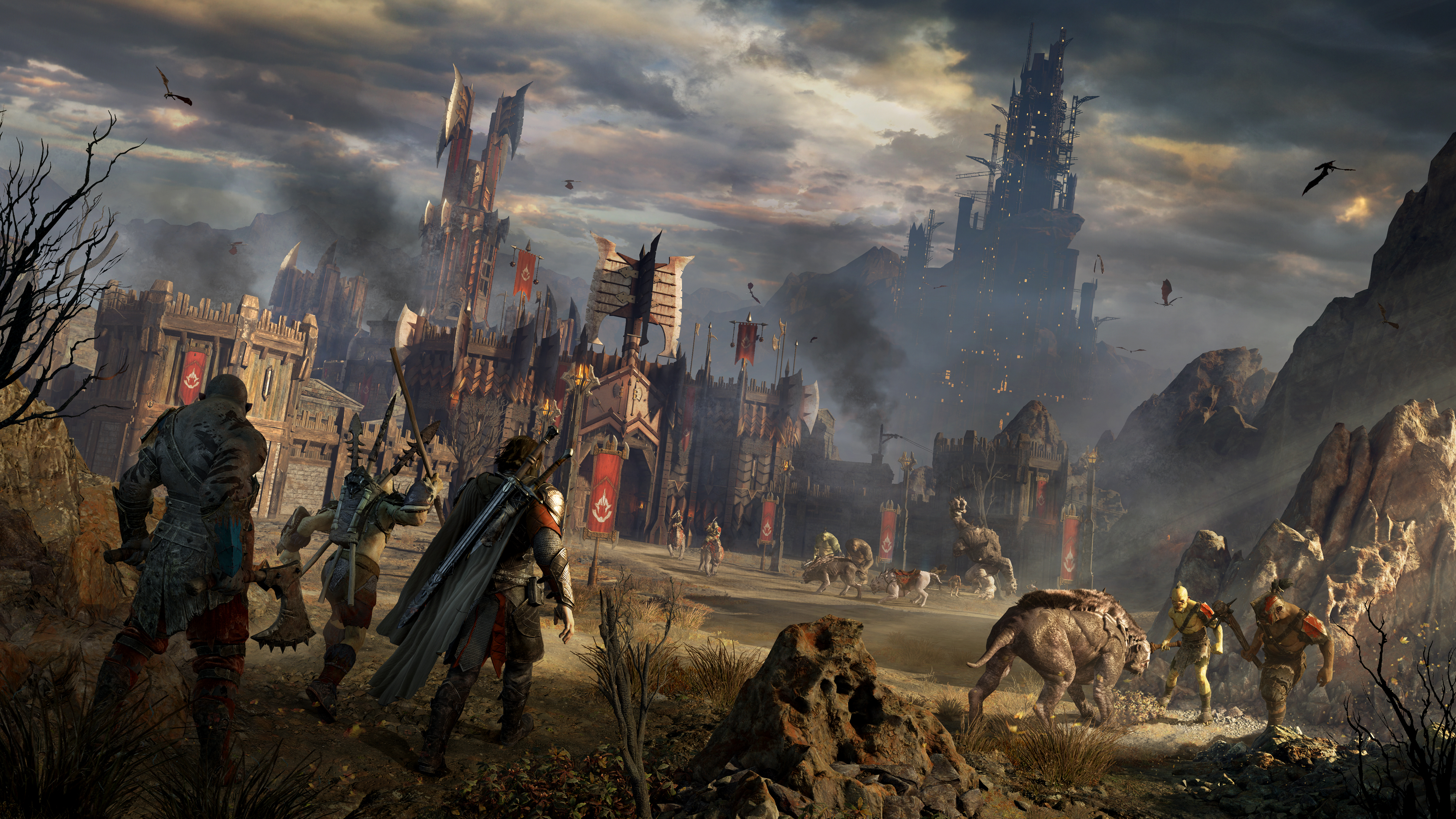
The soot-darkened countryside of the formerly green Midlands is known as the Black Country to this day. In her novel How to Build a Girl, Caitlin Moran has a working-class Midlands man explain the change to his literate daughter:
“When I was a kid, you’d come up this hill, and all of that –” and he gestures to the valley in front of us “– was on fire. The foundries and the forges and the ironworks. The potteries. The whole place glowed – sheets of sparks, fifty foot high. The fires never went out. It looked like hell. Mordor. That’s what your Lord of the Rings is about. Tolkien was from round here. He was writing about how the Industrial Revolution turned the Midlands from Hobbiton into Mordor.”
Mordor, in Tolkien’s invented language Sindarin, means “the Black Land”.

The Devilry of Saruman
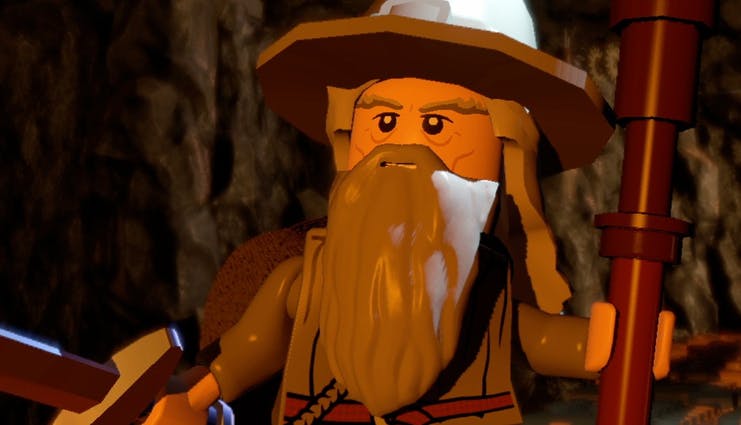
1954: The Lord of the Rings is published. Tolkien’s wizards embody his feelings about industrialization. Saruman, who turns to evil, constructs smoke-billowing factories around the tower of Orthanc and later in Hobbiton itself, and uses magical fire in the creation of an explosive substance that can knock down walls (“they have lit the fire of Orthanc”, as Aragorn puts it during the Battle of the Hornburg).
Meanwhile, Gandalf uses his magic to create pretty fireworks. He’s capable of more—as he tells the Balrog, “I am a servant of the Secret Fire, wielder of the flame of Anor.” Yet time and again he prefers subtlety to explosions. Though his burning pine cones frighten away wolves in The Hobbit, and in The Lord of the Rings he uses magical flame when the Fellowship is attacked while making camp on its way to Moria, both times he has cause to regret it.
Fire of Wrath
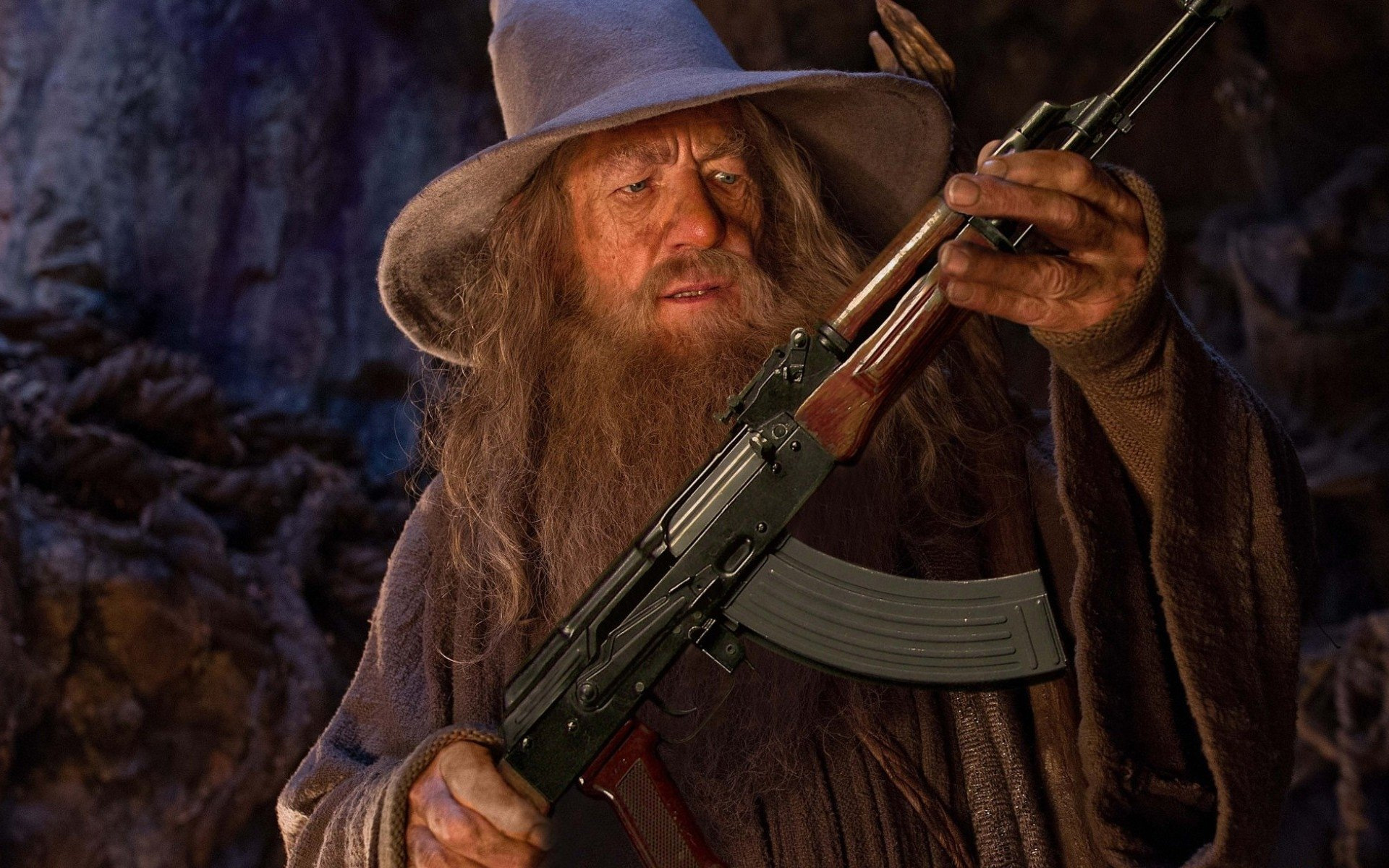
1970: And yet, perhaps because Gandalf uses magical fire rarely and dramatically, it ends up being cemented as a thing he does in the mind of at least one wargamer. Leonard Patt’s Rules for Middle Earth, developed for the New England Wargamers Association, are published in their zine The Courier and end up influencing game designers for decades to come.
How does Patt model Gandalf’s magical fire in a wargame? He treats it like artillery. Patt’s description of the “fire ball” is the first depiction of a magical spell with an area-of-effect rule, and incidentally the first appearance of a saving throw:
“Wizards in possession of magic powers can cast a fire ball once every other turn. The distance is 24″ and the hit is determined by using a 6″ grid with a 2½” burst circle. Any figures under the burst are killed except HEROES nad [sic] ANTI-HEROES, who are saved by a throw of a 5 or 6.”
Backdraft
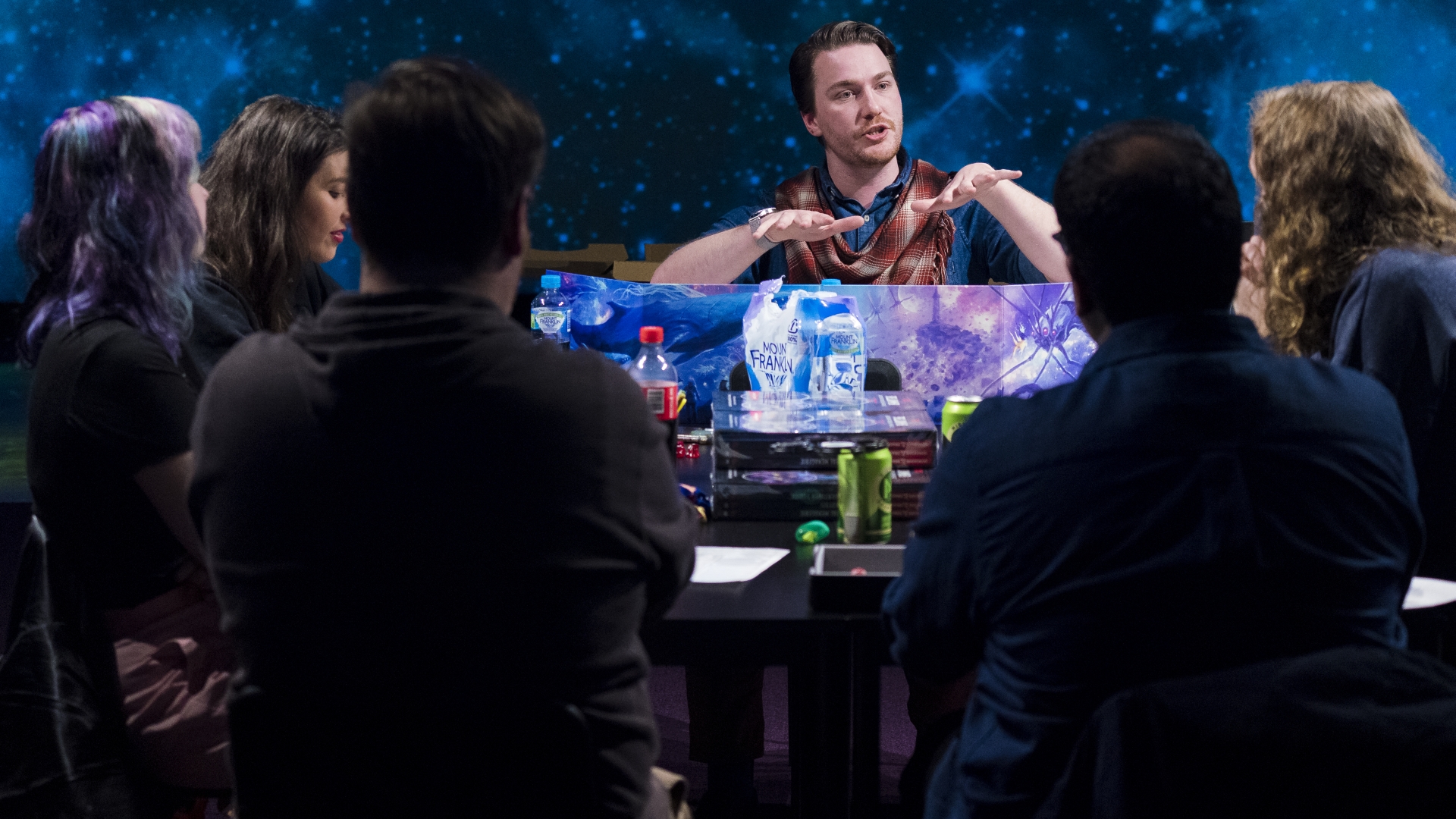
1974: Dungeons & Dragons is published by TSR. The work of Gary Gygax and Dave Arneson, its rules build on the fantasy supplement for the Chainmail wargame by Gygax and Jeff Perren, which built on Patt’s Rules for Middle Earth.
The fireball spell has a burst radius of 2″ in original Dungeons & Dragons, which translates to 20 feet if you’re not playing with miniatures, and will “conform to the shape of the space”, meaning that it can blow back if cast into a small dungeon room—a rule that led to the death of many 5th-level magic users.
Screen Burn
Watch On
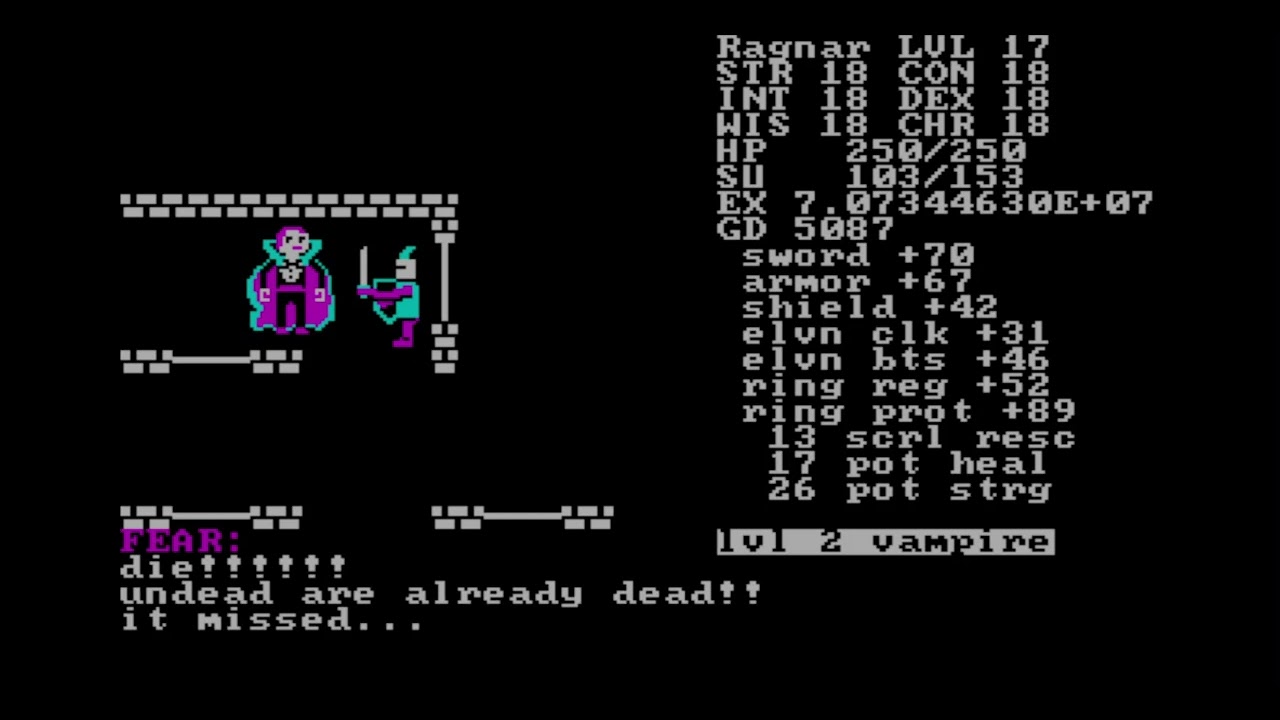
1975: University student Daniel Lawrence converts D&D to digital form on a PDP-10 mainframe computer. Initially called DND, though later renamed Telengard for a commercial release, it’s one of the first videogame RPGs and it does contain a fireball spell. There’s no area of effect, however, as all combat in DND/Telengard is one-on-one.
Friendly Fire
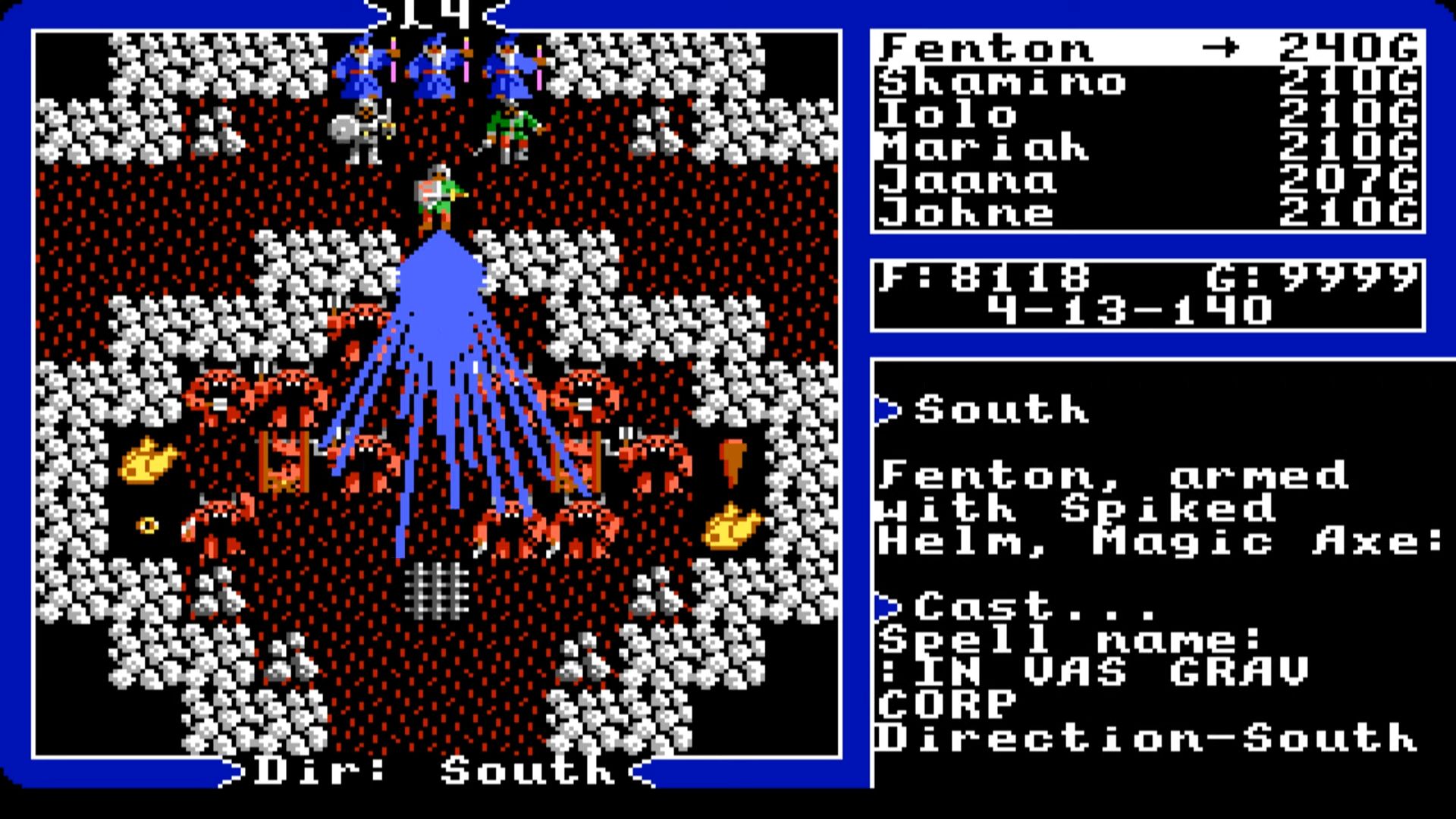
The 1980s: Early videogames simulate area-of-effect in various ways. The Wizardry games have spells that target half or all of the enemies in a given group, and Ultima 3’s noxum spell lets you cast multiple fireballs, each targeting a separate individual.
In 1985, Ultima 4’s tremor spell affects every enemy on screen. Wizard’s Crown in 1986 has a fireball that affects enemies in the squares around its target, and 1988’s Ultima 5 adds cone-shaped spells.
That same year SSI, developer of Wizard’s Crown, picks up the licence to make official D&D games and releases Pool of Radiance. The first RPG in the Gold Box series, it uses the Advanced Dungeons & Dragons 1st edition rules, complete with a true area-of-effect fireball spell that can easily cook your own party members if you’re not careful—just like Tolkien warned us would happen.
Sources and further reading
Read more on PC Gamer
Read the full article here