He suggested, however, that the best precedent here isn’t FINRA, it’s INPO, the Institute of Nuclear Power Operations, which the nuclear industry created within months of the 1979 Three Mile Island partial reactor meltdown “on the logic that an accident anywhere is an accident everywhere. INPO peer-reviews every US plant, its evaluations move insurance premiums, and it sits on top of the NRC’s statutory floor. That is a public-private stack very close to what Hassabis is describing. Frontier AI has the same structure: one lab’s catastrophic failure brings regulation down on all of them.”
For enterprise CIOs and other IT executives, Goryunov said, that model has the potential for being a big win.
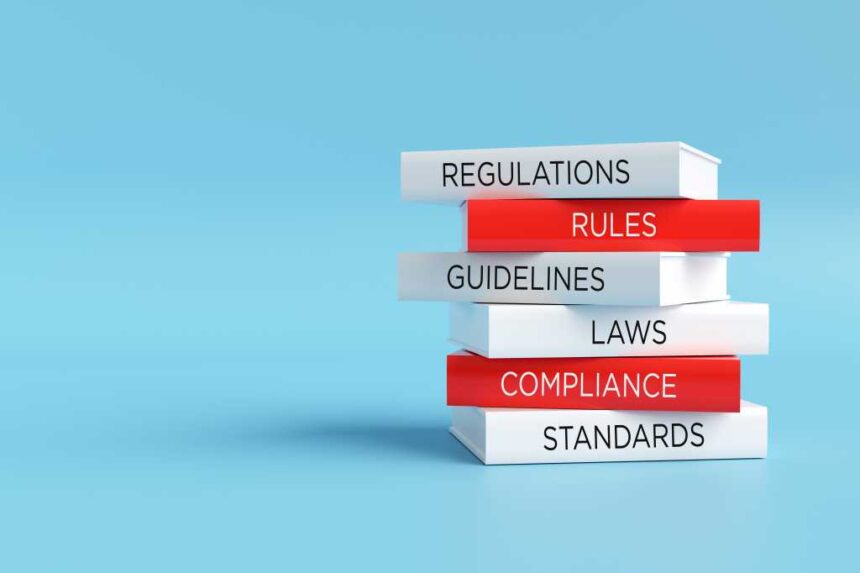
“Today, every enterprise duplicates the same AI diligence of red-teaming, eval suites, governance committees and each does so with less information than any certifying body would have,” Goryunov said. “A credible standards regime does for AI what UL did for electrical equipment and SOC2 did for cloud: it converts an unknowable risk into a procurable product and gives boards a defensible standard of care. That’s not red tape. That’s peace of mind with an audit trail.”
Read the full article here