
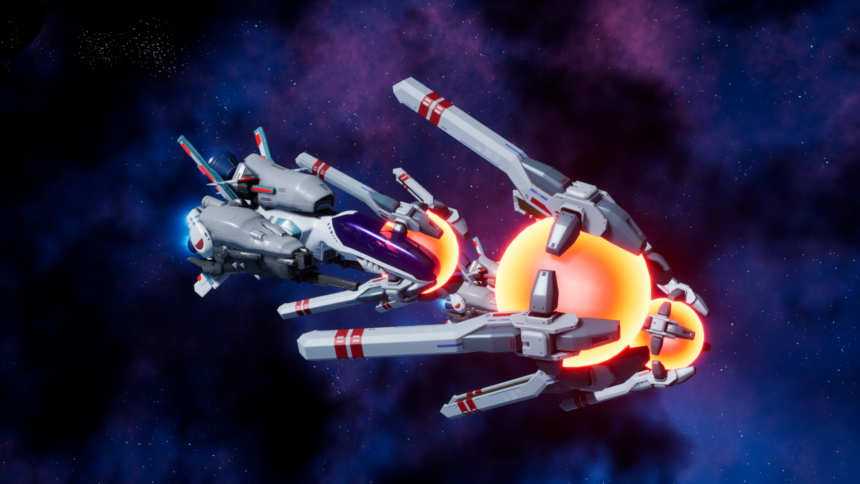
Every long-running series benefits from an occasional change of genre. Yakuza dabbling in RPG-style combat works well. Dragon Quest going Dynasty Warriors for a bit is nothing but refreshing. Sonic racing about in a car makes a fun change of pace. Now it’s R-Type’s turn, the legendary arcade shmup series putting on a strategy hat and stuffing its UI with statistics and material costs.
On the PSP, where the two Tactics games exclusively appeared in the late 2010s, this unexpected shift in style easily stood out thanks to the handheld’s relative lack of sci-fi strategy competition. In contrast 2026’s PC gamers are utterly spoiled for choice: XCOM, Battletech, Xenonauts 2, and plenty more only a few clicks away—if they’re not already installed. What does this release have to offer the kind of person already up to their eyeballs in metal death machines and alien menaces?
A lot.

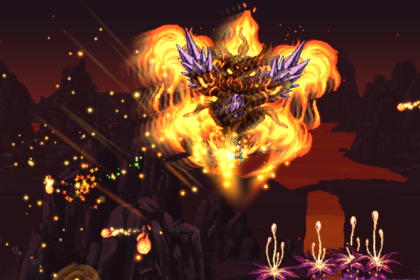
Specifically, giant monsters with specific weak points waiting at the end of tight passageways. Force units—those glowing orange blobs that can attach to either end of compatible ships—reimagined as versatile mobile enhancements for compatible ships, able to offer a slew of different shot types or even head off independently and ram enemies so hard they’re pushed a hex backwards. One stage is dominated by a giant space cannon, and it’s on me to lure my enemies into its line of fire without decimating my own forces in the same blast. Weak walls can be shot to pieces, creating new routes and offensive opportunities.
Image 1 of 4
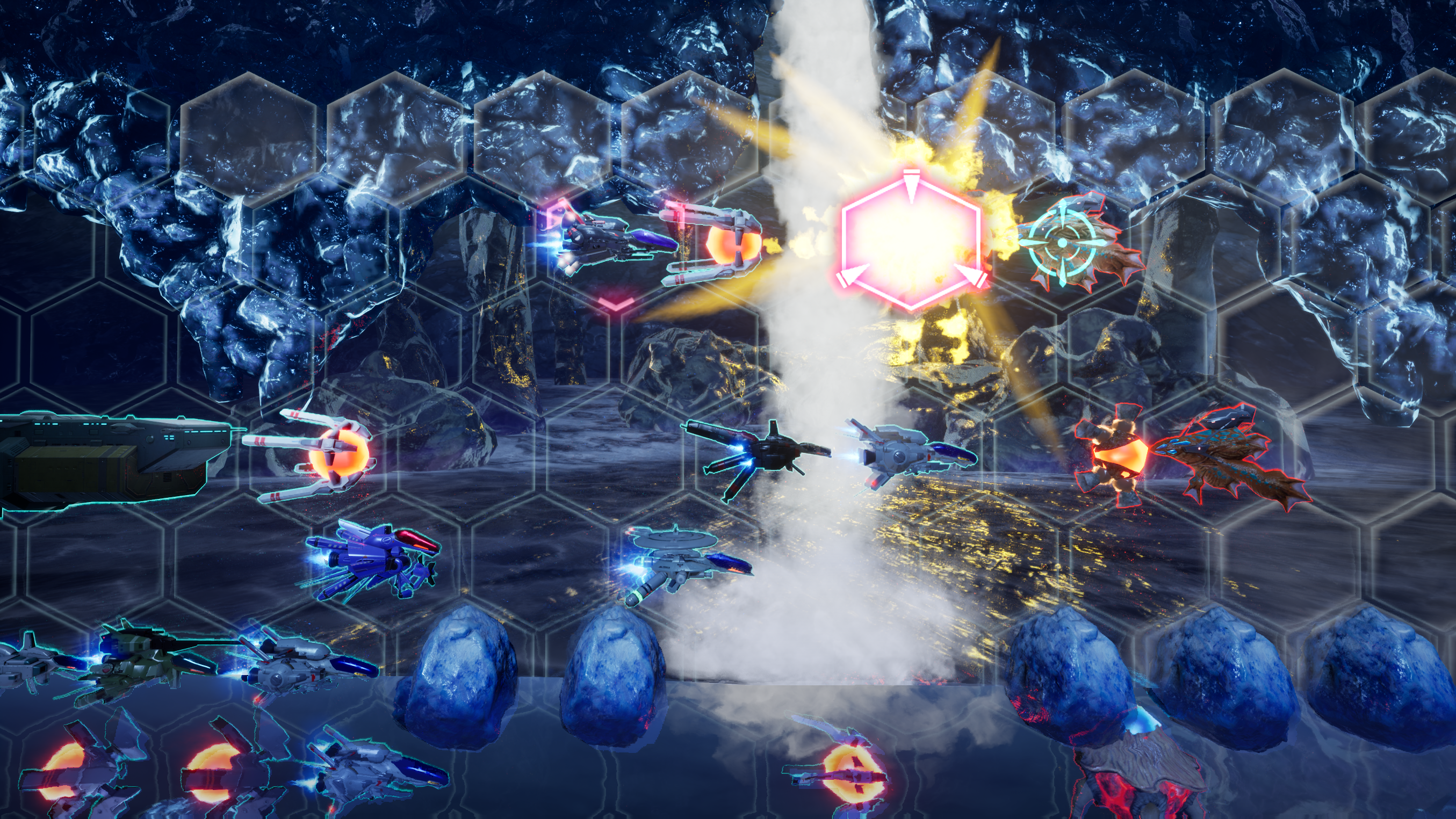
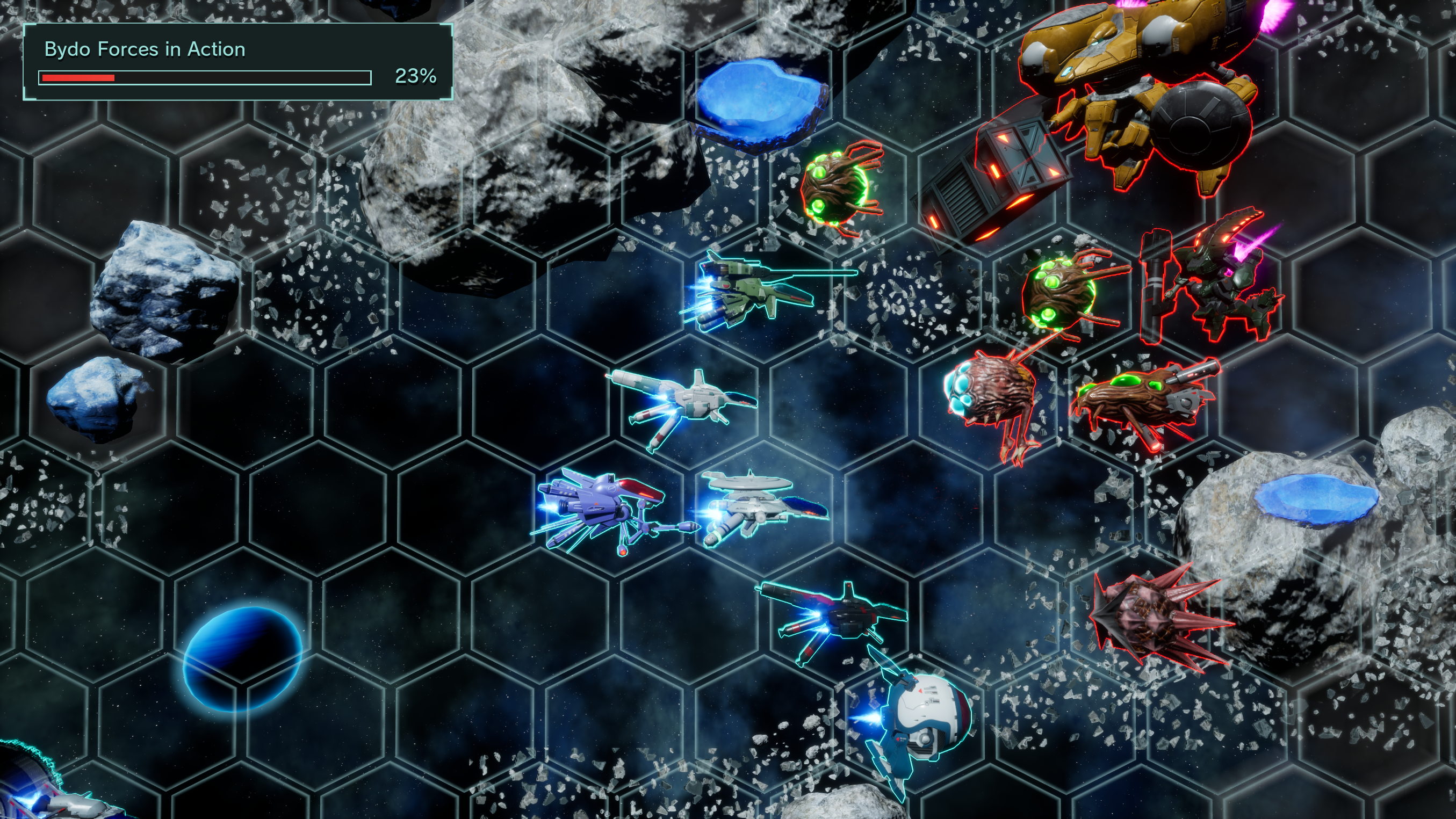
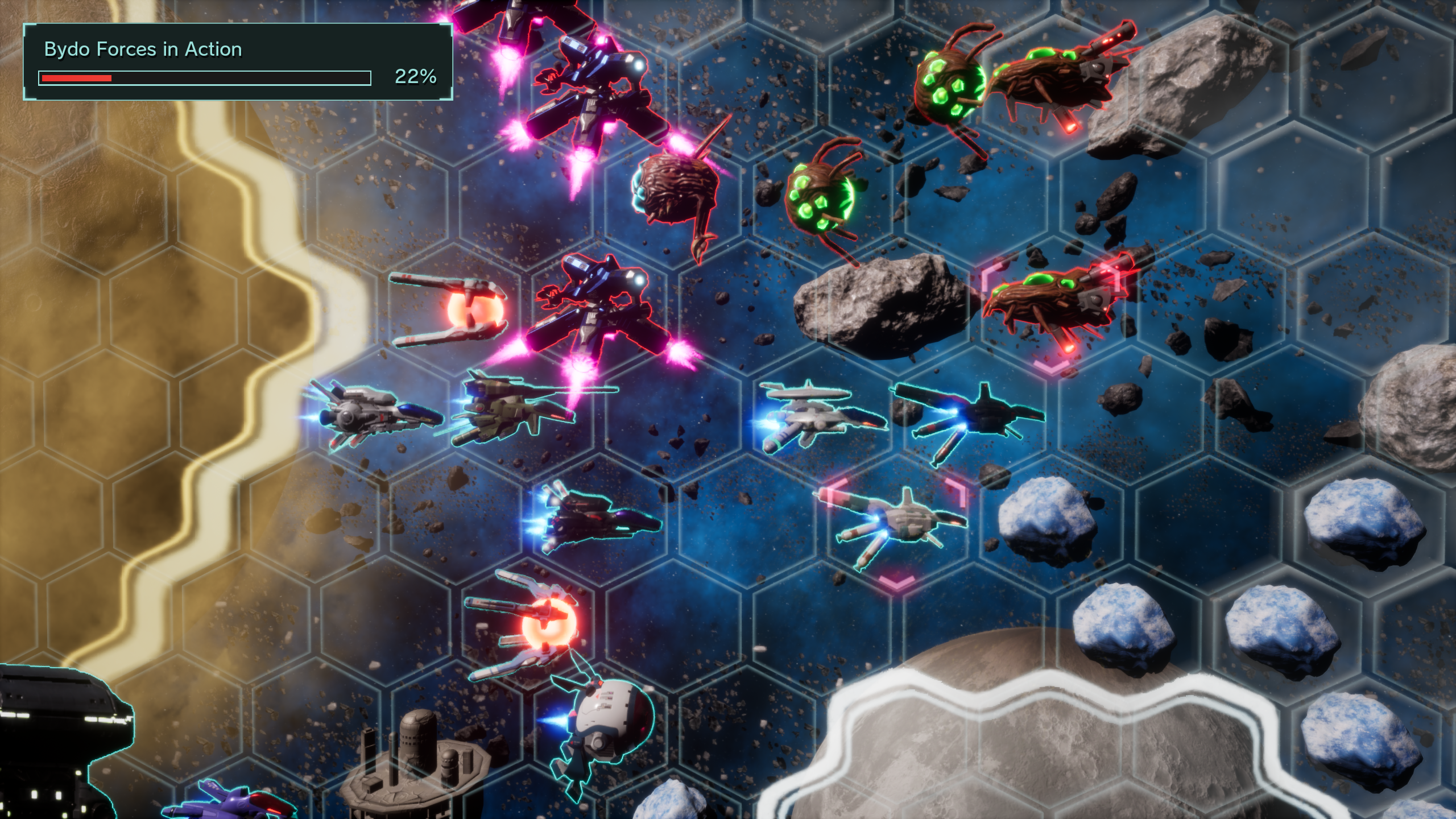
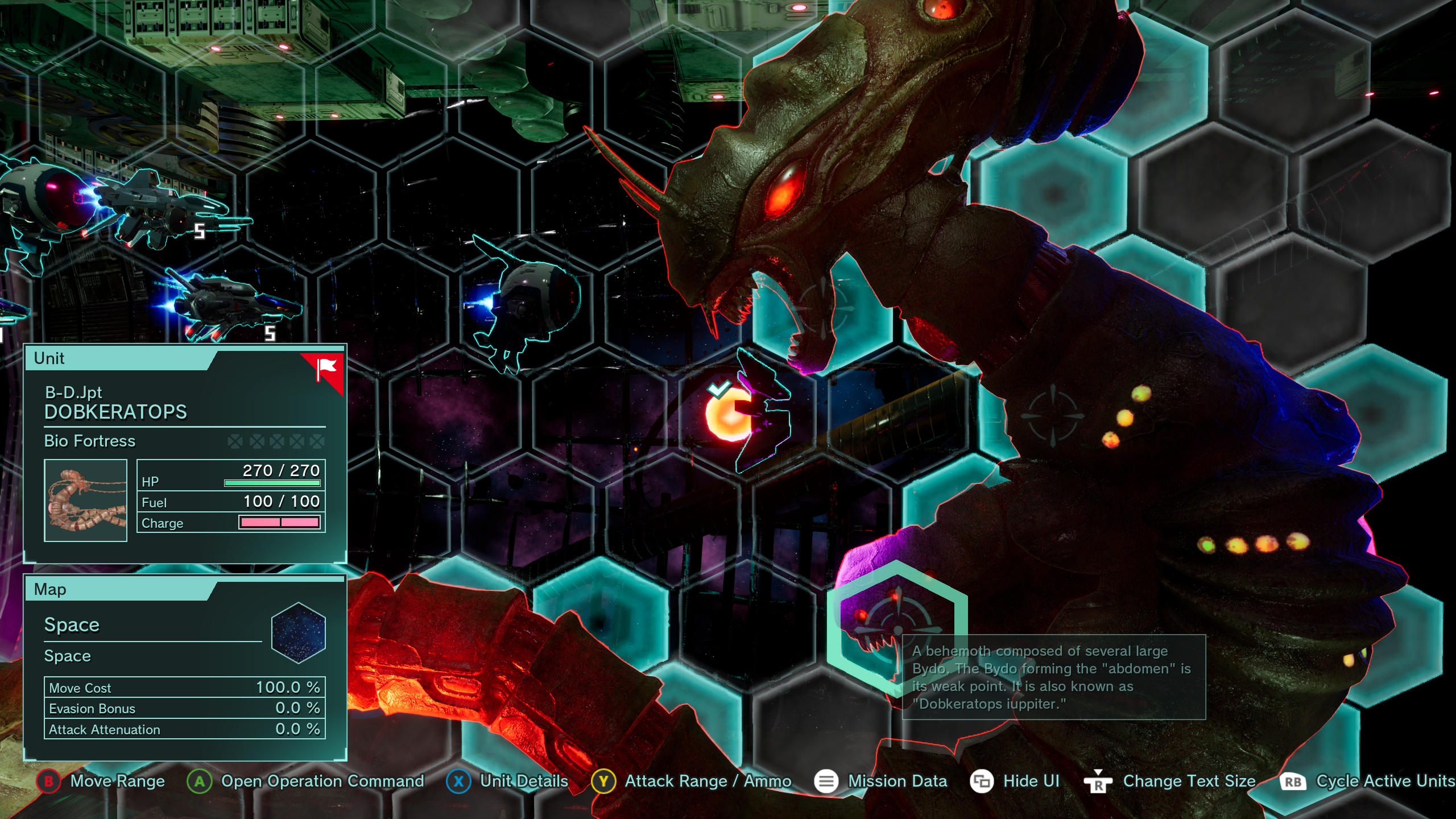
The graphics responsible for showing me these wonders have been rebuilt from scratch, making another run through the original look as fresh as a phallic alien bursting straight out of someone’s chest. Neon-coloured energy particles light up smooth metal surfaces, broken structures cast complex shadows on easily missed background scenery, organic horrors glisten in the starlight, and minor spaceships are so detailed it’s possible to catch sight of tiny seats inside beautifully rendered cockpits.
Tactics’ shmup heritage leaves an indelible mark on every aspect of the game, every feature directly drawing from a design template and visual language most strategy games never touch.
This unusual approach never overshadows the newfound tactical side of the game, which has more than enough depth to satisfy even the most spreadsheet-adoring strategy head. Ships now have fuel and ammo reserves to consider, the threat of being left defenceless and unable to move very real. A range of support craft prevent these new features from becoming a simple case of saving the big guns for the tougher enemies, with mid-flight resupplies and repairs an essential part of the flow of battle, temporarily retreating back to the safety of a mobile transport a sensible way to spend a turn, and slight detours to liberate a strategically placed facility (giving damaged units somewhere else to recover as I press on) well worth my time.
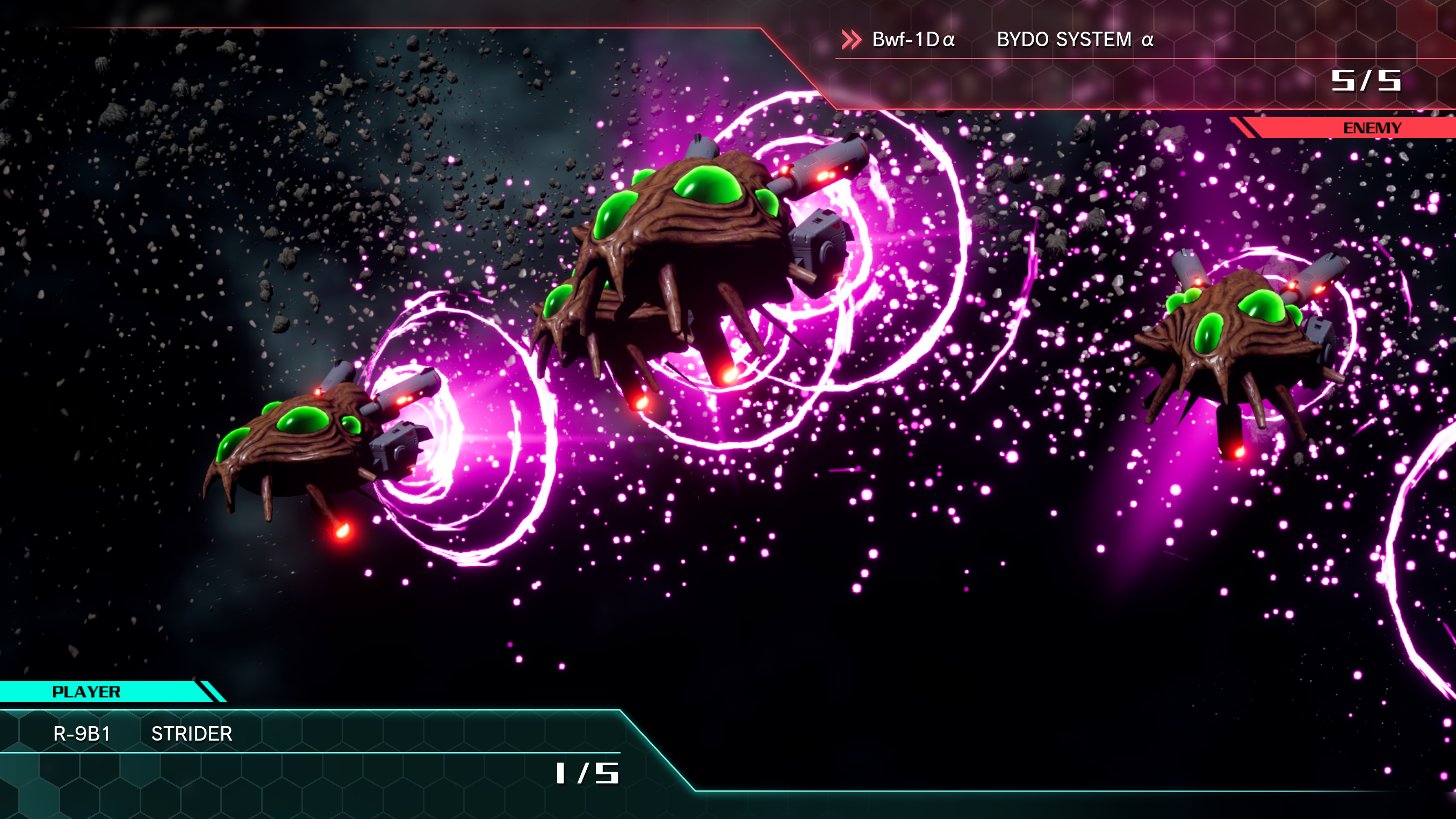
Terrain plays a much bigger role than expected in a game where almost everything can fly and many levels are set in the vast expanse of space. The side-scrolling nature of it all, mimicking the games it’s based on, gives this tactical game an uneasy momentum: I have to push forwards, even though I know that’s where all the danger is. Vertical drops are deliberately awkward to navigate. Sometimes I’m not facing the right way and there’s little I can do about it because shmup law states I face one direction and that’s the end of it.
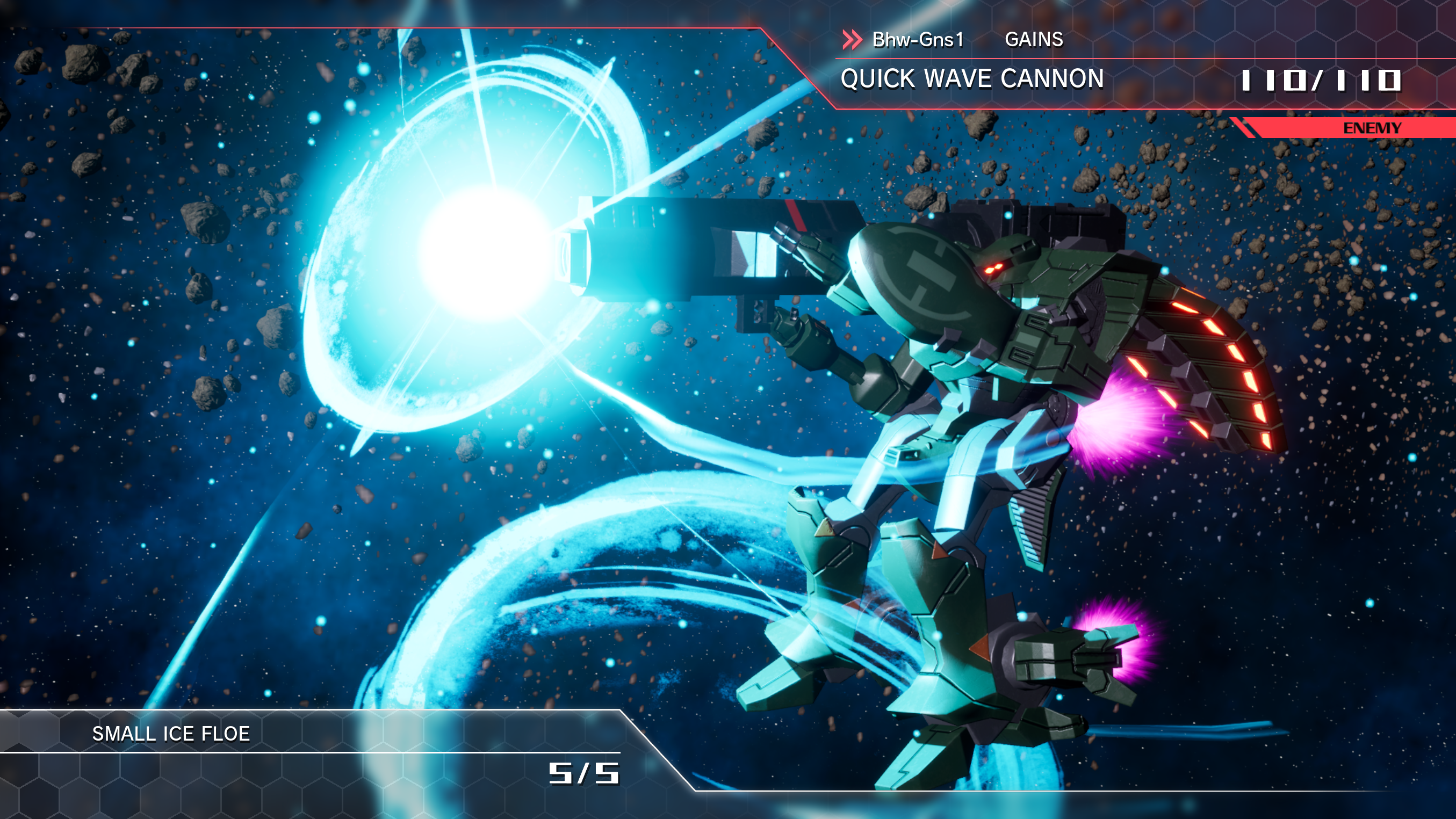
Small maps and cramped spaces create a cautious, claustrophobic mood, forcing me to decide who’s going to go first through a narrow tunnel and take the brunt of whatever might be lurking in the dark, or pick an unfavourable position that leaves a ship as open to friendly fire as it does the enemy’s because it’s the last spot available. Gaseous substances, ice blocks, and asteroid fields can slow ships down or need clearing out first, and at times I even have to consider the direction a waterfall flows in, rising upwards more difficult while I’m flying underneath them. Sometimes whole planets get in the way.
Even when I’m well prepared and on high alert, that sense of vulnerability never quite goes away. A nasty battleship-shaped surprise is always just around the corner, and the game isn’t afraid of seizing any opportunity it can get to destroy one of my precious ships, or of letting me thoughtlessly stumble upon a screen-sized nightmare with more mouths than eyes.
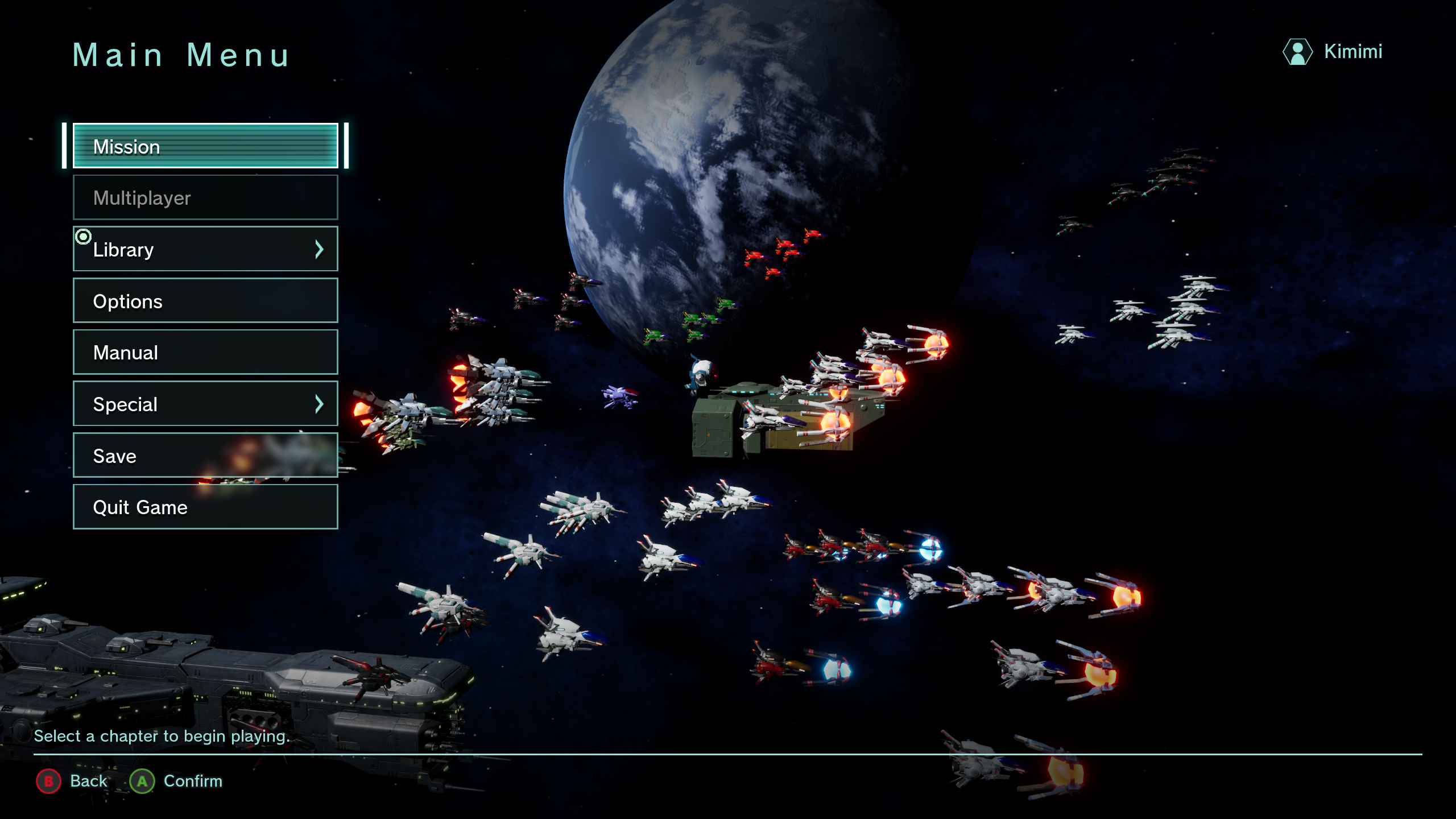
The unforgiving nature of combat is constantly reflected in the brief commander’s logs between each mission, campaigns painted not as brave expeditions undertaken by confident, well-supported armadas, but desperate fights to survive. In the first game I’m far from the best Earth has to offer, nothing more than the leader of a small scraped-together group wondering what the heck their superiors are up to and not receiving any meaningful answers.
In the sequel the peace I fought so hard for has soured into all-out civil war. The storytelling here takes a different tone to the sober political machinations in the likes of Tactics Ogre and Final Fantasy Tactics; there’s a pervasive melancholy to it that still feels unique, as if I’m constantly marching towards my own funeral rather than on the cusp of a noble last stand.
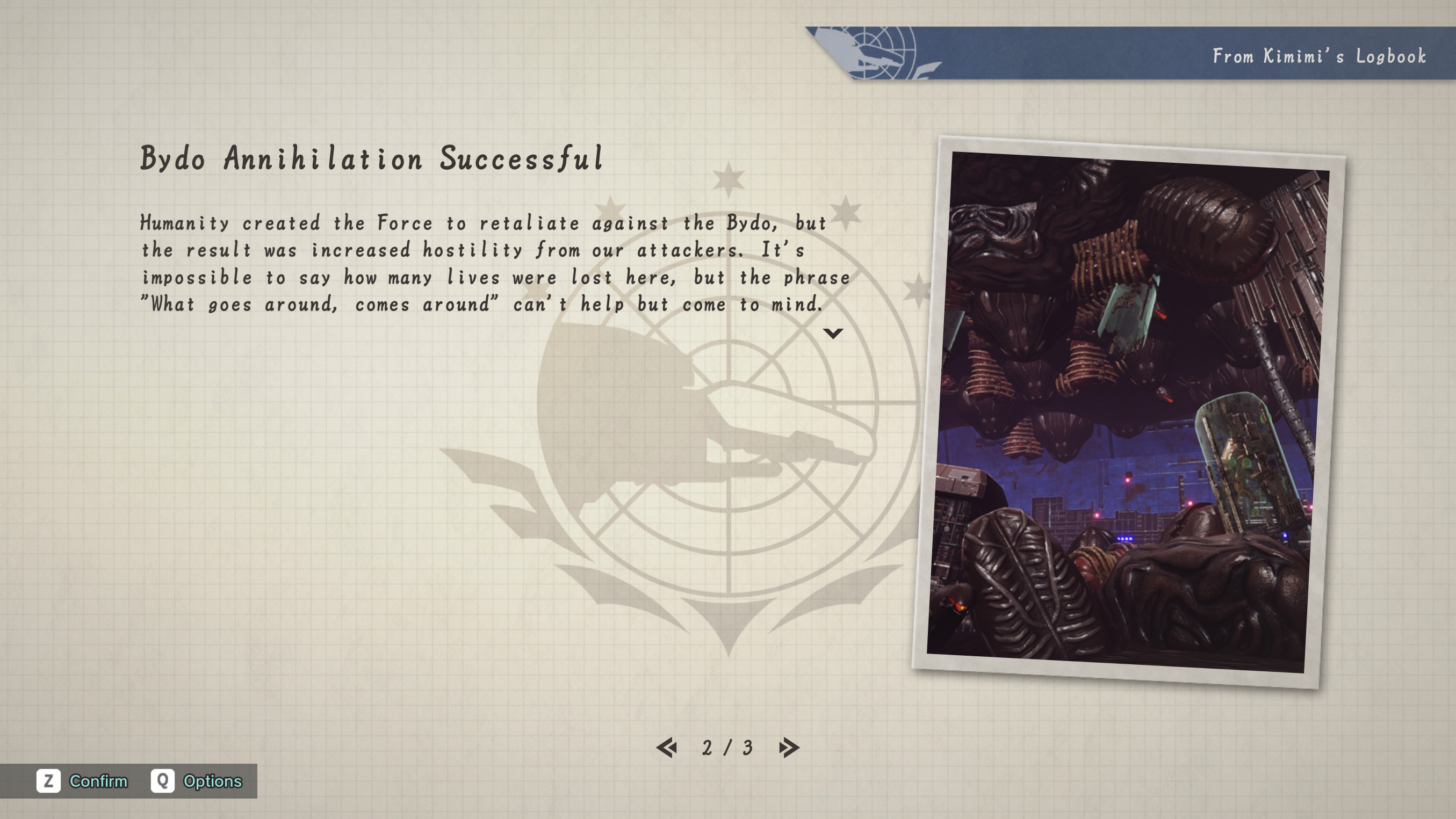
Even the terrain descriptions make venturing into dangerous territory feel uneasy, simple labels like “Bydo Corpse?” and “Incubation Facility?” reinforcing the idea that my group’s completely out of their depth to the point of not being entirely sure what they’re looking at, never mind why they’re fighting them.
R-Type Tactics doesn’t just stand up to modern PC strategy games, it deserves to proudly stand amongst them. This is a polished PC release—mouse compatible and already working beautifully on Steam Deck (officially “Unknown”, however)—that feels like it’s finally found the right home. What format could be a better fit for a game full of lengthy battles that expect players to weigh up accuracy percentages, range, charge states, fuel consumption, and consider potential counterattacks?
There’s never been so many missions to work through either: Well over 100 of them, split across three unlockable campaigns. The second set, brilliantly subtitled Operation Bitter Chocolate, have never been available in English before now, and the additional post-Chocolate “Cosmos” missions are completely brand new.
Here’s hoping PC gamers embrace its unusual charms and send this strange spinoff into orbit.
Read the full article here