

REDMOND, Wash. — Startup founders used to worry that tech giants would make their product obsolete. Now it’s even trickier: AI labs are not only encroaching on startup turf, they’re also offering tools for customers to attempt DIY solutions of their own.
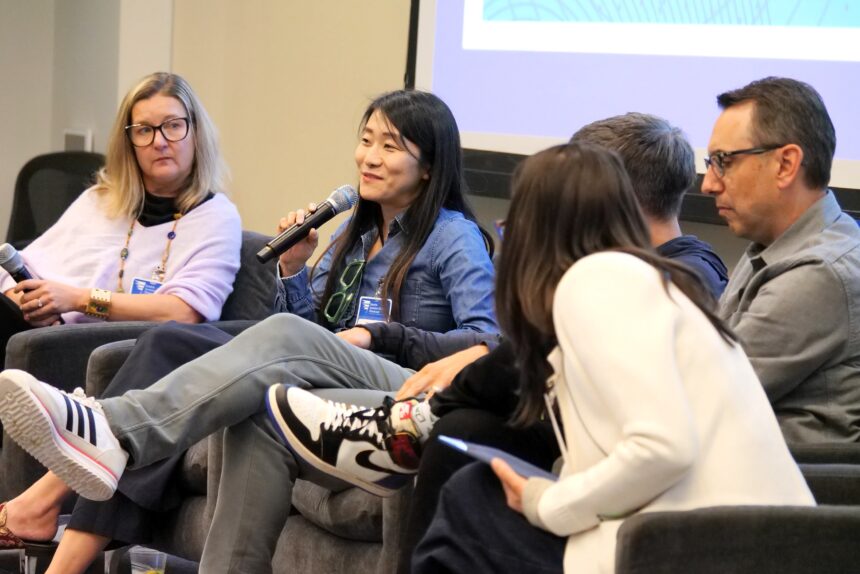
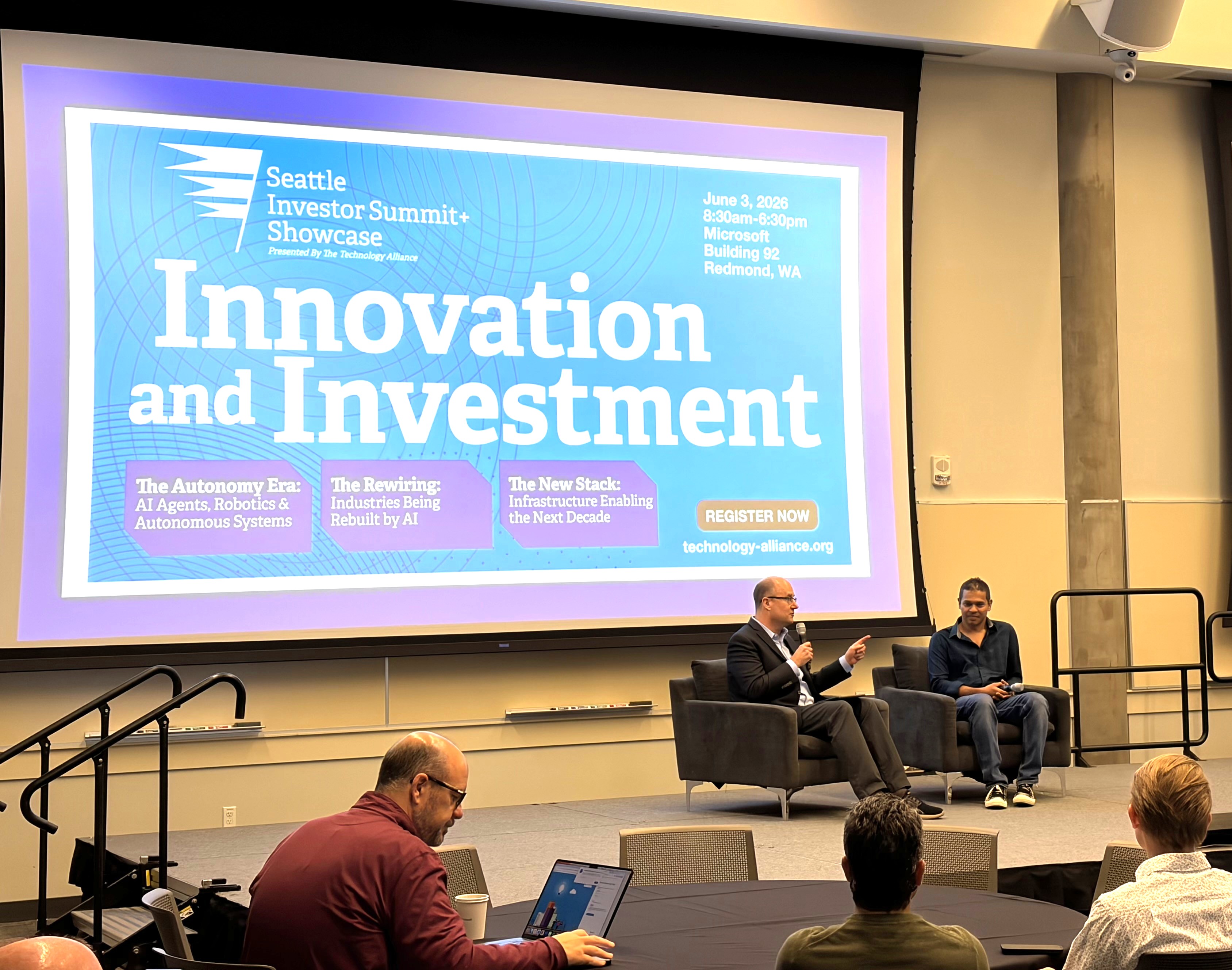
The question of where startups can find a profitable niche was a recurring theme this week at the Technology Alliance Seattle Investor Summit+Showcase, hosted at Microsoft’s headquarters.
“Anthropic and OpenAI are a little bit of different beasts,” said Bryan Hale of Anthos Capital during an afternoon panel of investors. “I don’t think people appreciate the speed at which you have to move in order to outpace the big monsters that are gaining on you.”
Hale recalled a previous era when founders dreaded Andy Jassy taking the Amazon Web Services re:Invent stage and announcing 100 new AWS services, one or two of which inevitably sounded like their product. That mostly turned out fine. Concerns were generally overblown.
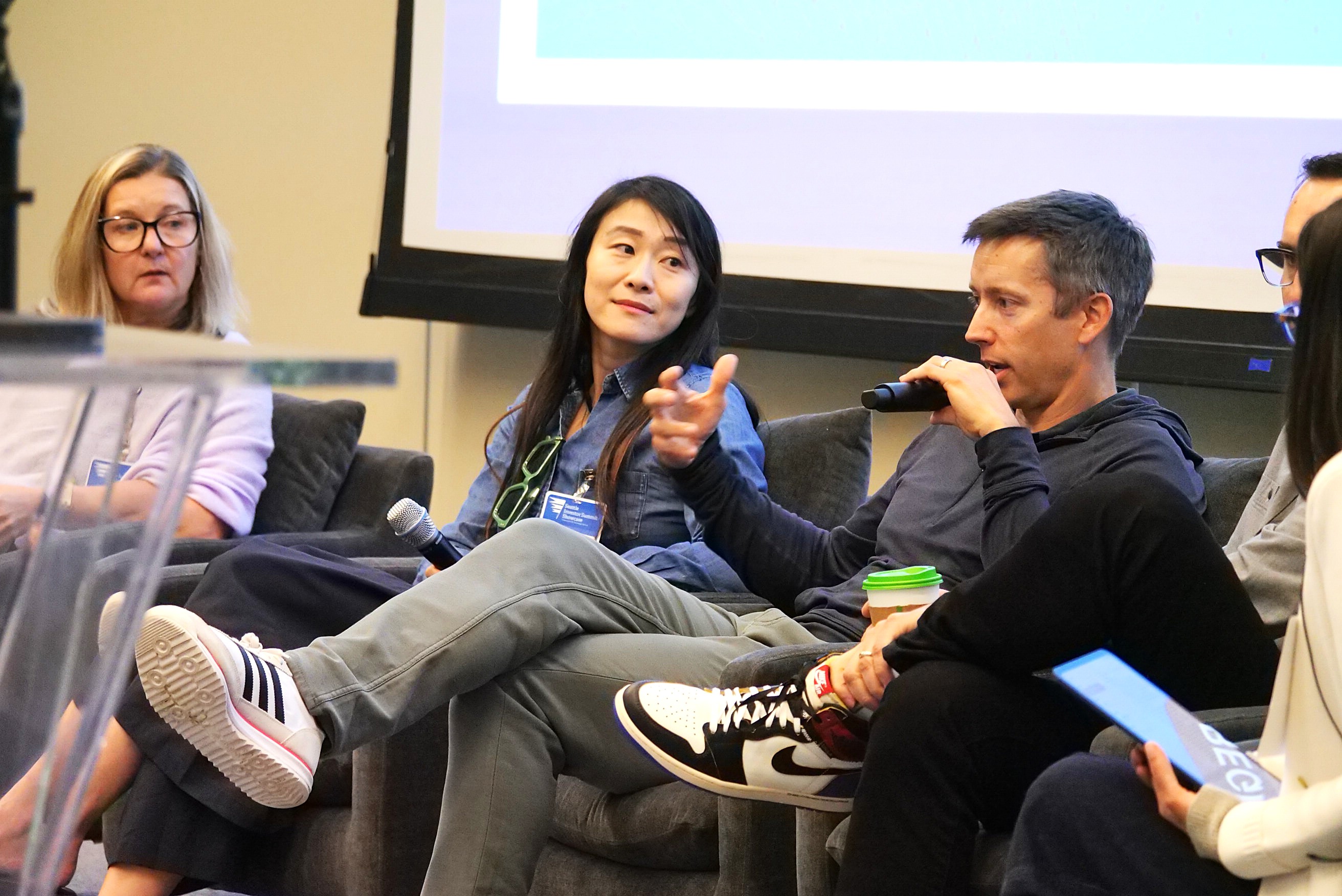
This time, he said, is different. Big companies are increasingly using coding tools like OpenAI’s Codex and Anthropic’s Claude Code to build what they used to buy as packaged software. The result is that many of the applications startups once sold as subscriptions — sales automation, lead scoring, demand planning, accounting, etc. — are now being built on the fly.
Hale, who was an early executive at Seattle startup Chef and then AI2 Incubator, said the pace required to survive has changed completely. “If I were to take my clock speed as a good but not great startup operator from 10 or 15 years ago, I’d get smoked today,” he acknowledged.
Yifan Zhang of AI2 Incubator, a two-time founder who built startups GymPact and Loftium, said the hardest problems still reward patience, deep expertise, and a willingness to grind.
When code is cheap, she said, “standing out, distribution, capturing attention, is so much harder than it used to be.” But she cited portfolio companies in mining, shipping containers, and immigration — domains where founders have the reputation to sell into specialized industries.
Mia Lewin of TheFounderVC said the formula starts with picking the right target — a wedge small enough that the AI labs won’t bother chasing it. From there, founders need deep industry knowledge that lets them build better products faster without the usual mistakes, and a data moat that compounds through personalization or reinforcement learning.
“If you are creating the flywheel of rapid growth, it’s harder for them to catch up,” she said.
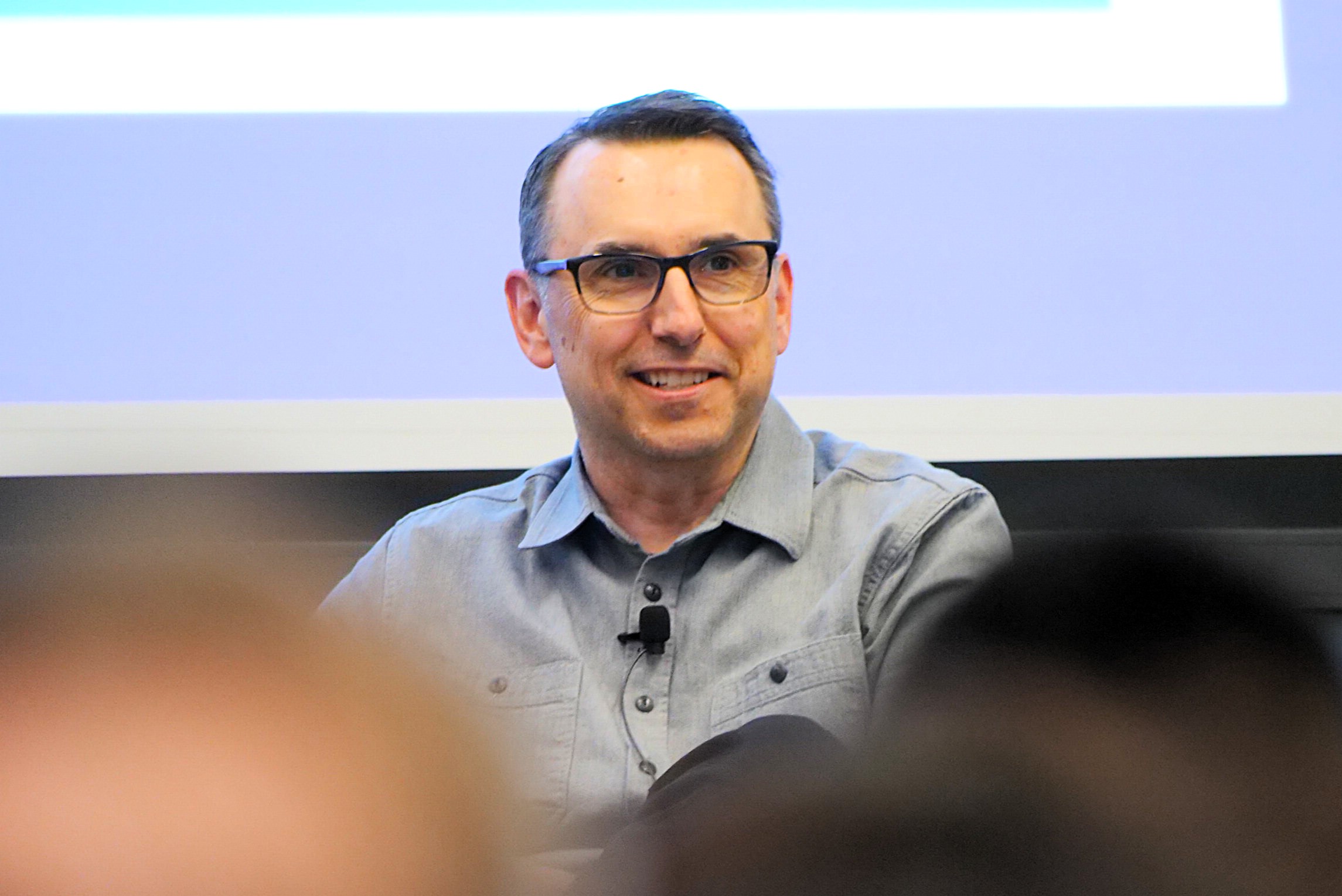
Tim Porter of Madrona said the anxiety is real but oversold. He cited legal tech startups Harvey and Legora, which kept growing faster even after Anthropic launched its own AI for legal work. Lawyers care about accuracy, workflow integration, and avoiding hallucinations.
“They have crushed it, they just keep growing faster and faster,” Porter said, explaining that the importance of understanding a specific domain doesn’t go away even as the tools improve.
Earlier in the day, OpenAI’s Vijaye Raji offered a view from the other side of the platform. Raji, the CTO of applications for the ChatGPT and Codex maker, told the same audience that founders have faced this fear in every platform era and won.
He agreed that the key is domain expertise. Big platforms chase the largest surface area they can reach. “A lot of innovation can be done at the edge of your domain and AI,” he said.
In fact, Raji highlighted one possible startup opportunity. Inside OpenAI, the surge of AI-generated code has outpaced the company’s testing and deployment systems. “The problem is no longer code generation,” he said. “The problem is now all the test tools, all the build tools.”
When he and his former Facebook colleagues started Statsig in the Seattle region in 2021, investors warned him AWS would inevitably build a similar tool for A-B testing software. “If every startup decided to think that,” he said, ”no SaaS company would ever exist.”
OpenAI acquired Statsig in September 2025 for $1.1 billion.
Read the full article here