

From the archives: This feature was originally published in PC Gamer #305 (UK, June 2017). It appears below as originally written, with only minor changes in formatting and presentation.
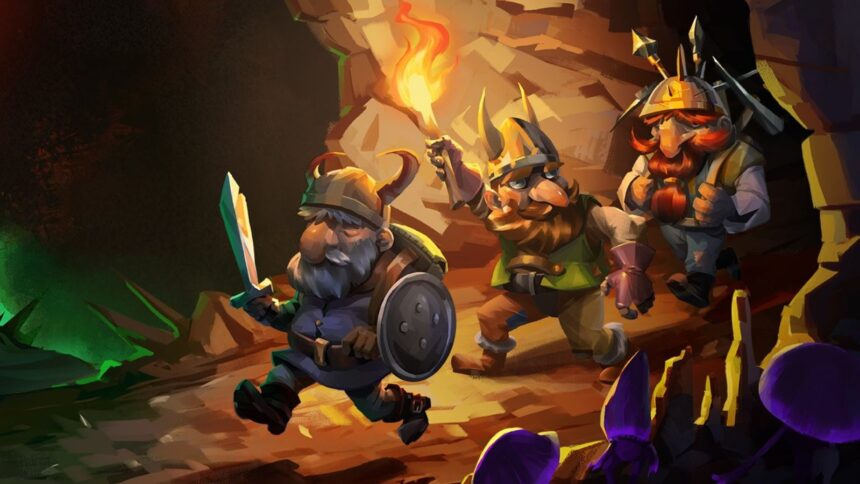
No gaming genre can generate stories quite like the colony sim. Almost entirely unique to PC gaming, colony sims task players with building and sustaining a habitat for a group of AI characters, which could be anything from dwarfs to demons.
Although the player controls how the colony is shaped, constructing rooms or buildings and filling them with useful objects, they do not control the inhabitants directly. Instead, the colonists interact with their surroundings and other NPCs via AI systems that simulate their needs and desires.

Through these desires and the player’s ability (or inability) to meet them, colony sims produce incredible, incidental plotlines; tales of dwarves who delve too greedily and too deep, unleashing hordes of monsters into their fortress, of bitter rivalries between demonic creatures that tear apart the plans of an evil dungeon master, of prisoners who explode into riot because the warden forgot to build a shower block.

It’s the autonomous personalities of these AI individuals which separate colony sims from other populace-focused strategy games such as management sims and city-builders.
“You watch more named non-player creatures interacting with each other over a longer period of time in a colony sim,” says Tarn Adams, co-creator of Dwarf Fortress, “And you’re watching them more carefully than you generally watch, say, scheduled NPCs in an RPG. It gives you a chance to really get to know the characters, and how they respond to situations both you and the game world throw at them.”
But this also makes colony sims tough to develop. Since the release of Bullfrog’s Dungeon Keeper, which set the template for colony sims through the colourful and often fractious personalities of its demonic creatures, only a handful of similar games have been made. In recent years, however, the genre has witnessed an exciting resurgence, thanks to the dedication of a few tiny development studios.
Dwarf Fortress is the flagship in this resurgence. Created by Bay12 Games, Dwarf Fortress is an immense, 20-year development project currently halfway to completion. Its simple premise is that you build and maintain a colony of dwarfs, but the ultimate aim is to generate and simulate unique fantasy worlds in their totality. This includes everything from the terrain to the history, right down to what clothes individual characters wear.
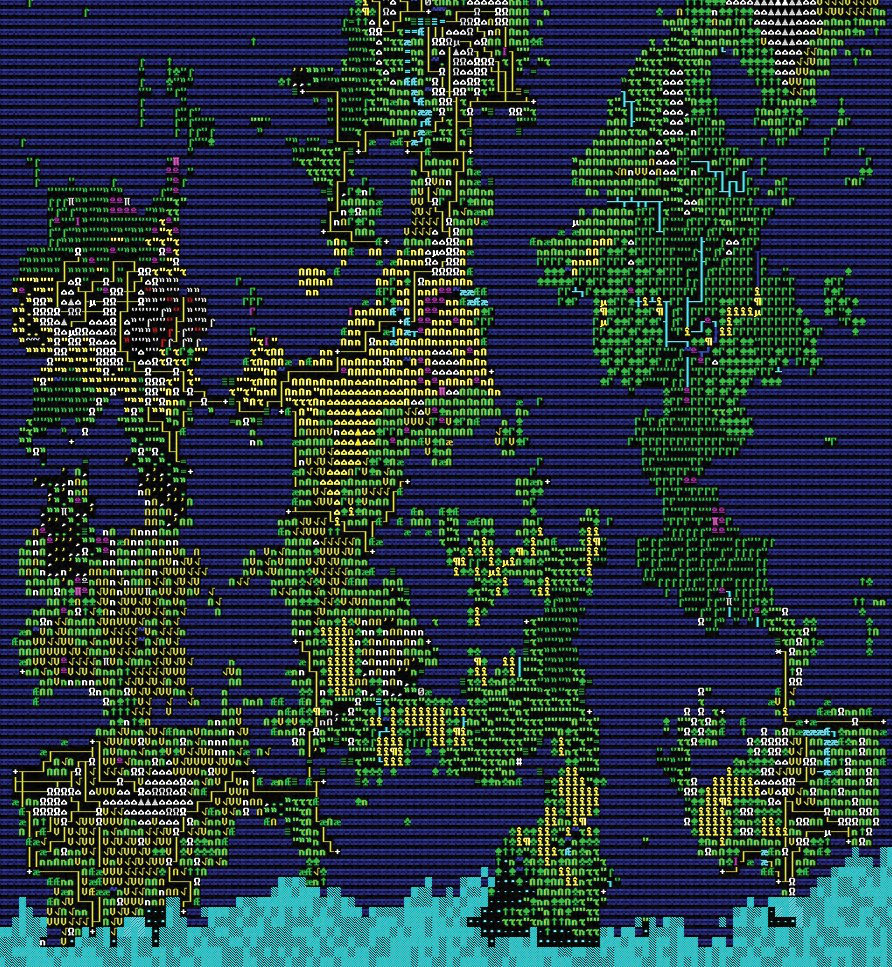
The sheer scale of Bay 12’s project is mind-boggling. The aforementioned features are merely entry-level stuff for Dwarf Fortress’s preposterously granular simulation.
More recent additions include procedurally generated poetry, the result of a cascade of new features that typifies the rabbit-hole that is colony sim development. “If I recollect,” says Adams, “we were working on taverns at the time and we were dedicated to allowing the dwarves to play the instruments that had been in the fort. This led to procedural instruments, which led to procedural music, which led to procedural lyric descriptions, which led to procedural poetic forms and also dance forms.”
Such detail increases the range of unique events that can happen to the dwarfs in any given fortress. But it’s also important that the player is not ignored as a part of the game. Indeed, one of the immediate challenges in designing a colony sim is determining how much control the player should have over the colony and its inhabitants.
“It’s important at some point to have a conception of what the player ‘is’. For us, it’s the ‘official will of the fort,’” says Adams. “So you’d ideally be able to give orders and decide on other fortress-level activities, while the dwarves are in control of their own lives, and can even decide to disobey orders in extreme cases.”
Dwarf Fortress’s dedication to simulating every angle of fantasy colony life has made it legendary within the industry. But it is an extreme game in all senses, and this applies to its flaws. It is famously difficult to get to grips with, thanks to an archaic presentation and user interface, while its commitment to random numbers means your experience with it can vary wildly.
Rimming the changes
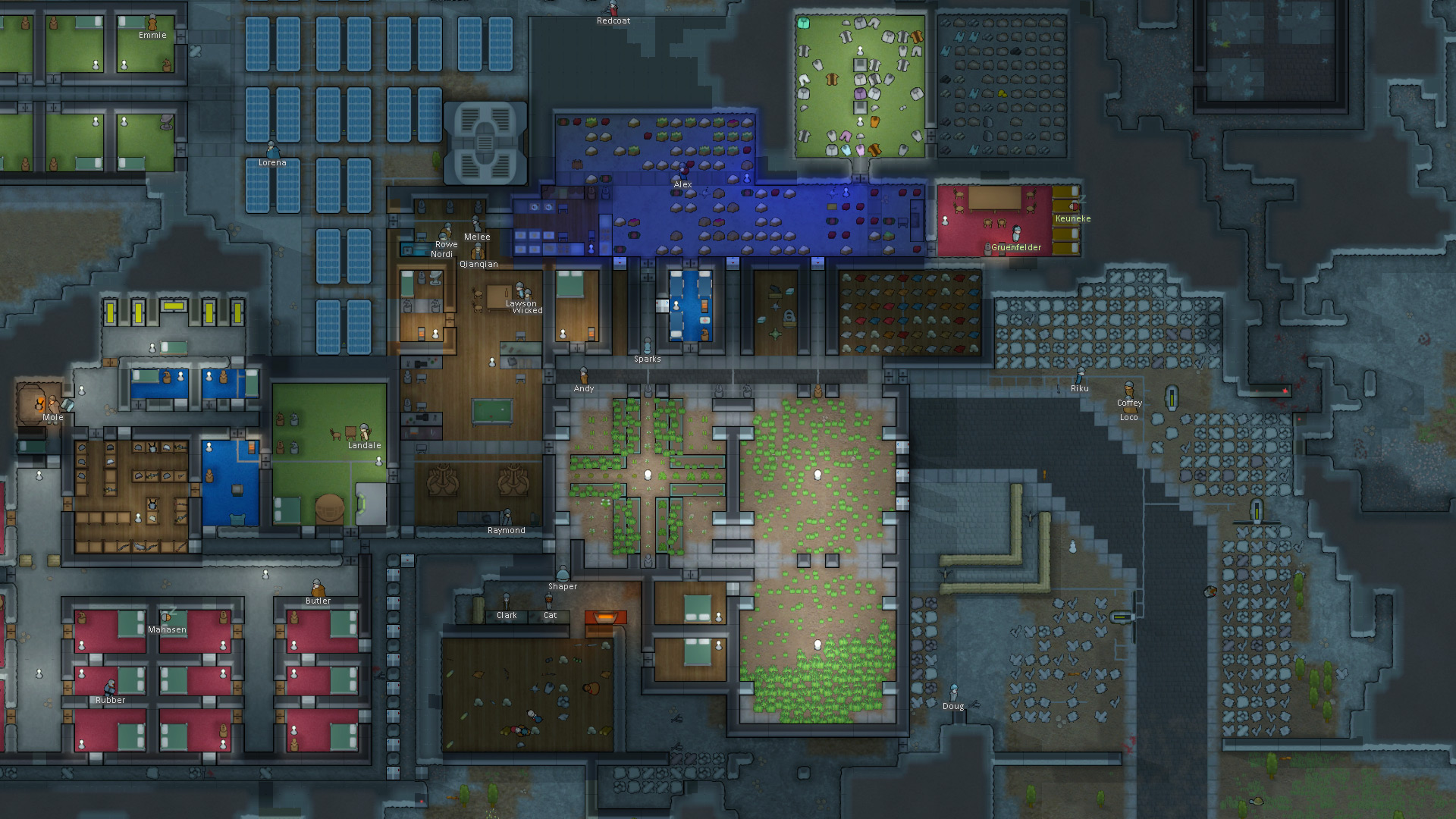
Not all colony sims are so uncompromising, however. Ludeon studios’ sci-fi colony sim RimWorld is a natural evolution of Dwarf Fortress’s design.
But not only is it more accessible, with a straightforward user interface and a modern art style, it also flips Dwarf Fortress’s design philosophy on its head. Rather than using procedural generation as a basis for its storytelling, it uses storytelling as a basis for its generation.
“RimWorld is designed at every level to generate story,” I’m told by Tynan Sylvester, founder of Ludeon studios and lead developer on RimWorld. “That’s always been the central pillar of the design, to the point that I deliberately decide every design conflict between ‘game’ and ‘story generator’ directions in favour of the latter.”
This concept is embodied by RimWorld’s AI Storyteller. Inspired by Left 4 Dead’s infamous AI director, this is an overarching AI system designed to maintain the pace of the game. The system comprises two principle components. “Story watchers” monitor the game state along specific parameters, such as player wealth or dangers encountered.
Then “incident generators” take those statistics and respond to them by triggering events in the game. These could be positive, like a much-needed cargo drop, or negative, like a disease epidemic.
“She [the AI storyteller] attempts to match a rising and falling pacing curve, and not to over-brutally murder struggling players,” Sylvester explains. “Though she also is not pandering or cloying. A struggling colony can still be hit by pretty brutal raids or disasters, because in extreme challenge lies the greatest drama.”

Although it helps to mediate the player experience, the AI storyteller adds another layer of complexity to the colony’s simulation, which already has potentially dozens of AI agents moving through it, all with their own goals, needs, emotions, and ambitions.
Add all the different rooms you can build, items you can craft, trading systems, weather systems, environmental hazards and hostile aliens also included in the game, and you’ve got one huge pile of overlapping, interlinking, and potentially conflicting systems.
This is another of the major challenges of colony sim design—structuring the development.
Knowing when to add features and game mechanics, and when to stop adding features and game mechanics, is crucial. “I think the characteristic design danger in this genre is drowning in your own complexity,” says Sylvester. “It’s very easy to just end up submerging players in complexity and micromanagement.
“My approach here is to treat player learning and player attention as precious, limited resources and ‘spend’ them accordingly. If any mechanic would require any amount of player learning or player attention, I try very hard to redesign it so it can be optional, or set things up so it only applies in some situations, or so it can be introduced gradually.”
Inner space
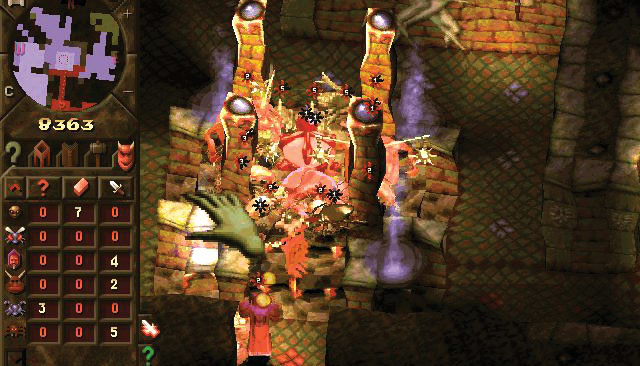
Considering the player’s experience of your colony sim is vital in other ways too. One of the toughest challenges when designing these games is not creating a system that produces interesting events, but ensuring it communicates those events effectively to the player. This is a problem that has been agonised over by Simon Roth, the creator of the colony sim Maia.
Maia traces its origins more to Dungeon Keeper than Dwarf Fortress, but has a similar commitment to simulating its alien world at an extremely granular level—particularly with its human colonists. In Maia, everything can affect a colonists’ mood, not just hunger, thirst or fatigue, but whether they’ve spent enough time around other people, and even the lighting of the room they’re in.
In total, Maia’s colonists have around 50 needs that can affect their mood, but communicating all this information to the player in a way that’s both clear and unobtrusive isn’t easy. “Presenting more information to the player has been the biggest difficulty in the game,” says Roth. “The thing is with the AI it’s so incredibly complex now, although the code is well laid out.”
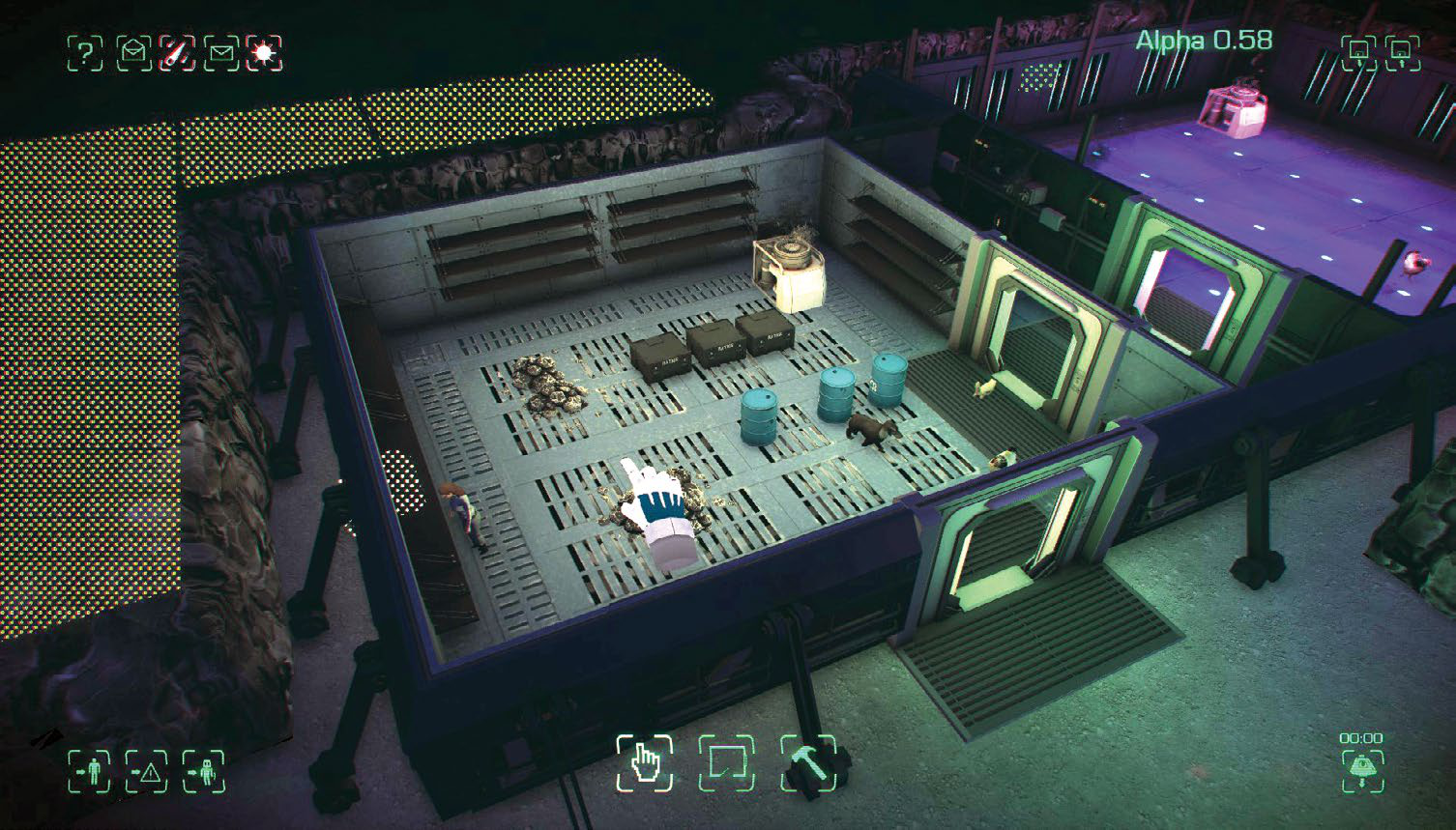
Machine Studios has tried to solve this problem by giving the player both direct and indirect information about the colonist’s mental states. Unlike Dwarf Fortress and RimWorld, Maia’s 3D engine means Roth and the team can use detailed animations to communicate colonist emotions.
Ironically, this only works for obvious emotions and needs, such as hunger, anger, fatigue, etc. For subtler problems, the team needed a more direct solution. So they enabled the colonists to send the player emails.
“The emails were not such a big thing,” says Roth. “But since we realised we needed to present more depth to the player, the colonists can send emails. They can send these long procedural things.”
Alongside straightforward statements about their physical and mental state, in an unusual move, the colonists can also present the player with direct choices about how to deal with certain scenarios in the colony.
From the archives

This feature was originally published in PC Gamer #305 (UK, June 2017).
You can still subscribe to PC Gamer to get new issues of the magazine (in print!) every month.
“If they’ve got a skill for a thing and they spot a potential problem in the base, they can suggest doing something to the player, and the player can either give them a yes or no answer”, Roth says. “It shows the AI are more self-aware than you realised.”
Although almost 30 years old, the colony sim genre has barely been explored. This recent smattering of games has pushed the envelope enormously in the last few years. But the great irony of colony sims is the more detail you include in the game, the harder it is to ensure that detail will be appreciated by the player.
Hence they need to be thought of like any storytelling medium. Ultimately, it’s not about how many words your story contains, it’s about how entertaining they are to read.
Read the full article here