

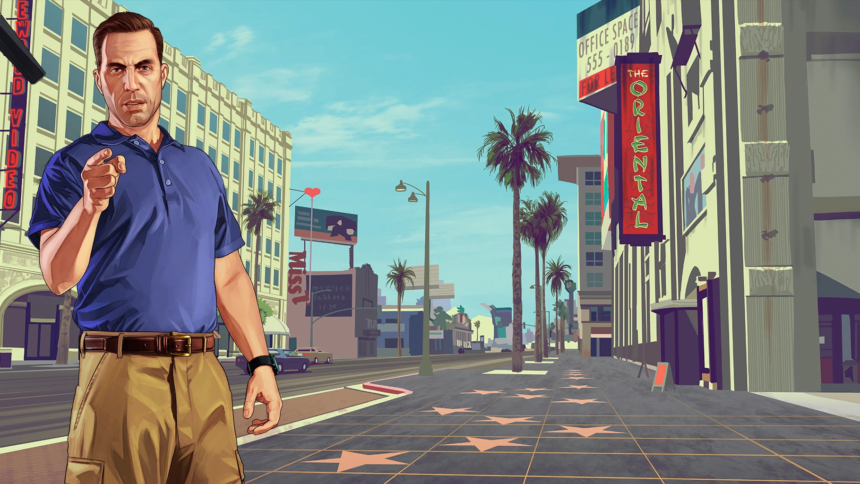
I’ve spent an inordinate amount of my life watching Grand Theft Auto machinima over the last decade. And while I can certainly appreciate the amount of editing and effort that goes into each video’s production—I don’t always think of that toil when gawping at the finished article. According to filmmaker Jordy Veenstra, however, that polished end result only tells half the story.
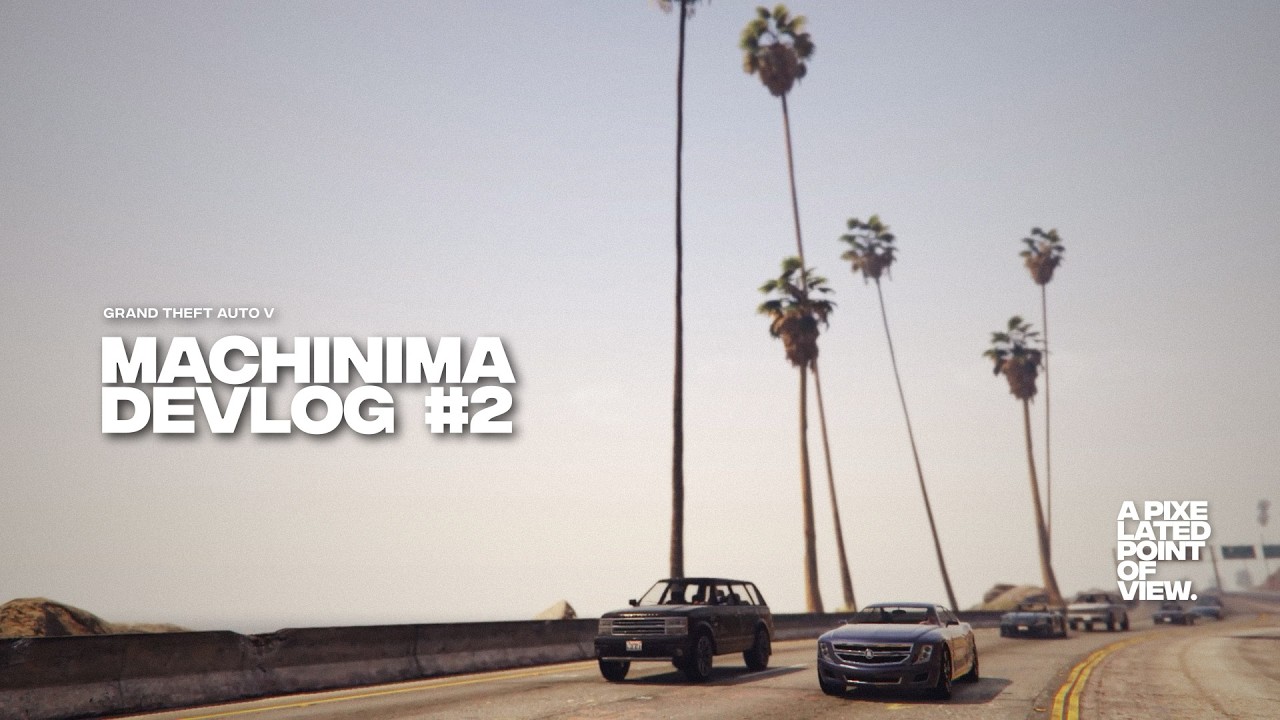
To this end, Veenstra recently broadcast a pair of “Machinima Dev Streams” on YouTube and Twitch, offering viewers a rare look behind the curtain at the often messy, highly technical process of creating films inside GTA 5. Rather than focusing on a completed project, the streams documented the work as it happened through the lens of location scouting, scene-staging, camera planning, technical troubleshooting, and the occasional game crash for good measure.
“Instead of sharing and reflecting upon the final cinematic product, the streams showcased the creative process in real time,” Veenstra explains. “The viewers could observe how environments were not merely evaluated for their aesthetics but also for factors such as symbolism, lighting conditions, narrative intentions and composition.”
Watch On
The streams also highlighted the less glamorous side of machinima production. Veenstra demonstrated the use of tools such as Menyoo and ScriptHookVDotNet while experimenting with staging techniques and in-game programming solutions. Some ideas worked, while others didn’t. At one point, the game froze entirely, forcing a restart mid-stream.
“Sometimes things don’t work the way we want to and we must work around them,” Veenstra says, describing it as one of the key lessons of machinima production. “In true machinima-type fashion, the game even crashed a few times live on stream or froze in such a way that the stream had to be restarted: all with live debugging.
“These events are all examples of the hands-on and participative nature of machinima (such as testing, rehearsing, adjusting and on-the-fly decision-making) and I think the streams captured them very well from a wide angle perspective.”
Veenstra explains that the idea for the streams emerged from a simple question—that after spending countless hours working alone on projects, he’d wondered whether there might be value in sharing the “creative process, lines of thought, hardships, euphoria, bugs/workarounds and other events” that filmmakers encounter during production.
Through this, the response has been positive enough that more streams are already being considered. Future broadcasts could explore subjects ranging from framing and depth-of-field techniques to virtual lighting systems inside VRChat, Veenstra says, where creators can build real-time light shows using DMX protocols commonly found in physical venues.
Watch On
Veenstra adds: “I hope during future Machinima Dev streams that I am able to share broader creative insights from a multitude of technical angles, software and games, all within a typical hands-on fashion.
“I started this series of streams on a single line of thought. I was working by myself on machinima projects for hours on end and simply wondered: wouldn’t it be interesting to share some of the creative process, lines of thought, hardships, euphoria, bugs, workarounds and other events that I encounter on a day-to-day basis for fellow filmmakers, machinima artists or other enthusiasts to see?”
Read the full article here