

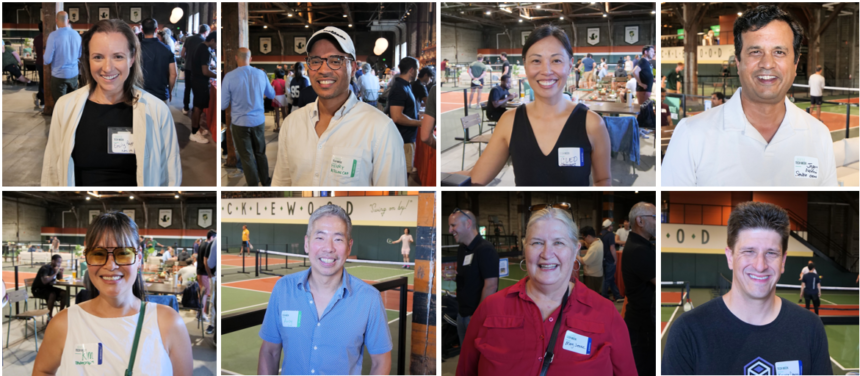
The fourth annual Seattle Tech Week got off to a big start Monday, with panels and parties bringing together thousands of people from across the region and out of state. Organizers said the week features more than 250 events and drew more than 29,000 event registrations.
We went to Madrona’s kickoff event at Picklewood Paddle Club with one question for the founders, investors, and operators we met: What are you building? Here’s what we heard and learned.
Jagan Nemani
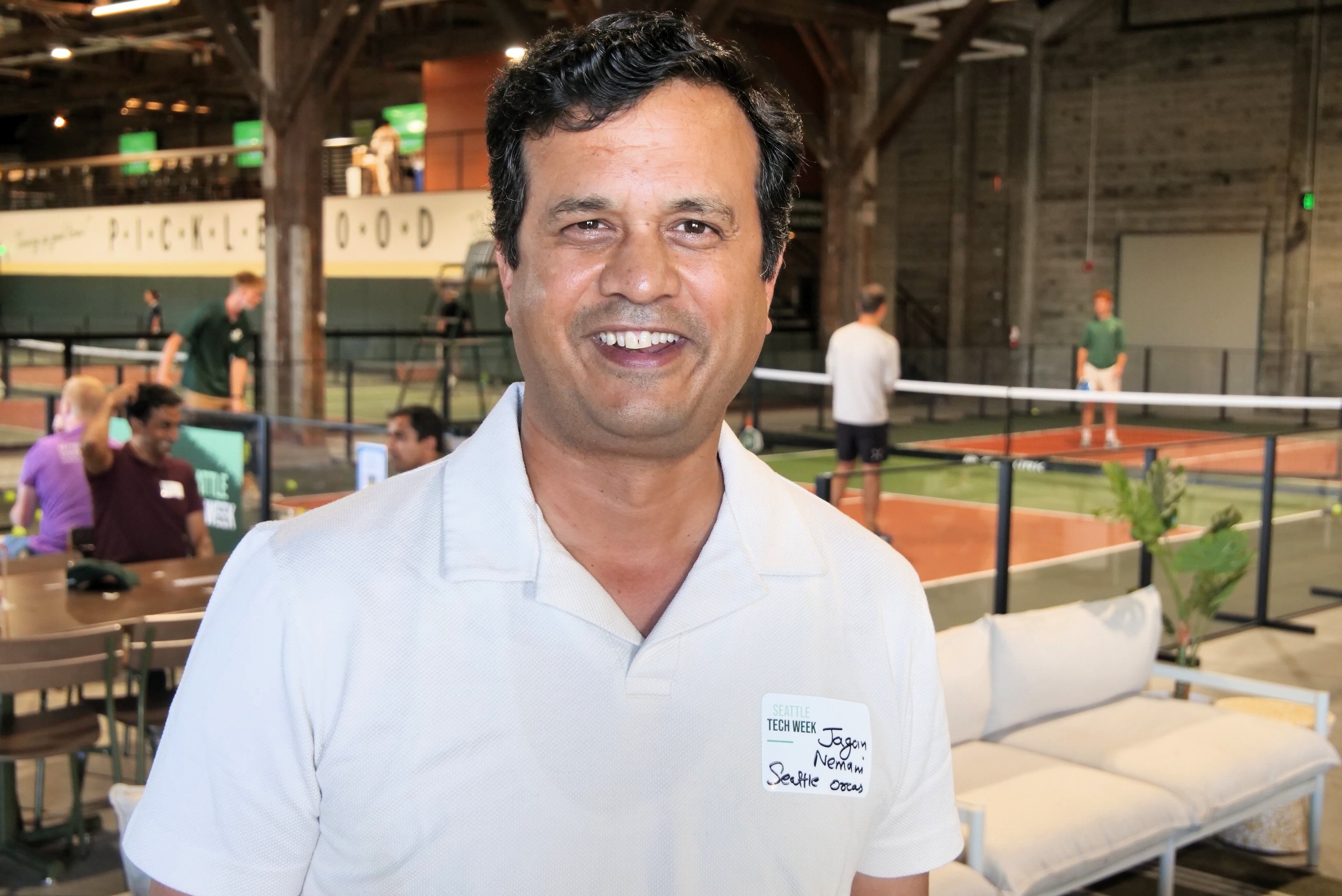
What he’s building: An AI system that runs a professional cricket franchise — flights, hotels, ground transportation, and daily schedules for players and staff, all handled over WhatsApp.
Nemani is chief product officer of the Seattle Orcas, the Major League Cricket team now in its fourth season. For the first three, he ran team operations the old-fashioned way: “I ran the entire operations using spreadsheets and people and processes,” he said. That meant tracking a constant stream of inbound flights, hotel blocks and car bookings across a season.
This year, he used Claude Code to build the backend for an AI agent that took over roughly 80% of the operation: booking flights, hotels and cars, dealing directly with hotels and transportation vendors, and telling players and staff when their flight lands, which hotel they’re in, and who’s picking them up. It also handles daily schedules, down to massage appointments.
To accommodate players and staff who were reluctant to adopt new tech tools, he built it to run on WhatsApp, the messaging app they already used every day.
Kim Vu
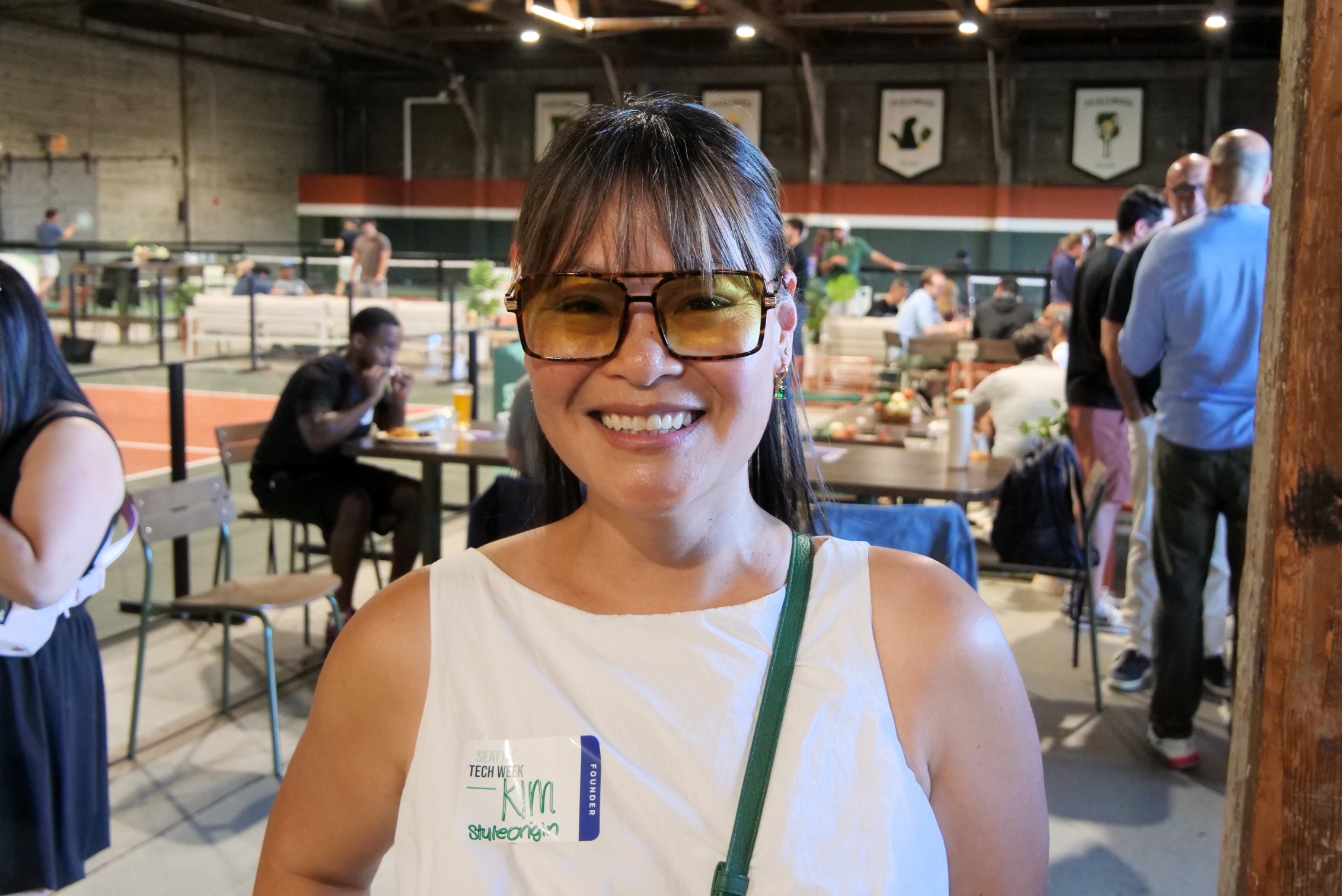
What she’s building: A B2B tool that lets thrift, vintage, and consignment resellers photograph an item and get back the identification, pricing, and listing details they now assemble by hand.
Vu is founder and CEO of StyleOrigin. Getting a single secondhand garment listed for sale is still manual work that takes 30 to 45 minutes an item, she said. With StyleOrigin, a reseller takes one image and an AI analysis returns what they need to list and price it. The company also gives sellers data to guide inventory decisions.
She found the problem herself. Vu ran environmental, social and governance work at Remitly until she stepped down in 2023, then took a year off and started selling vintage clothing. She assumed she was slow because she was new to it. “But turns out everybody does it the same, and so there wasn’t really any good solution out there.”
She taught herself to code and built the first version of the product. StyleOrigin has a working MVP but no revenue yet. More than 70 stores around the country are on a waitlist, and Vu is about to bring her first engineer aboard.
Kenny Daniel
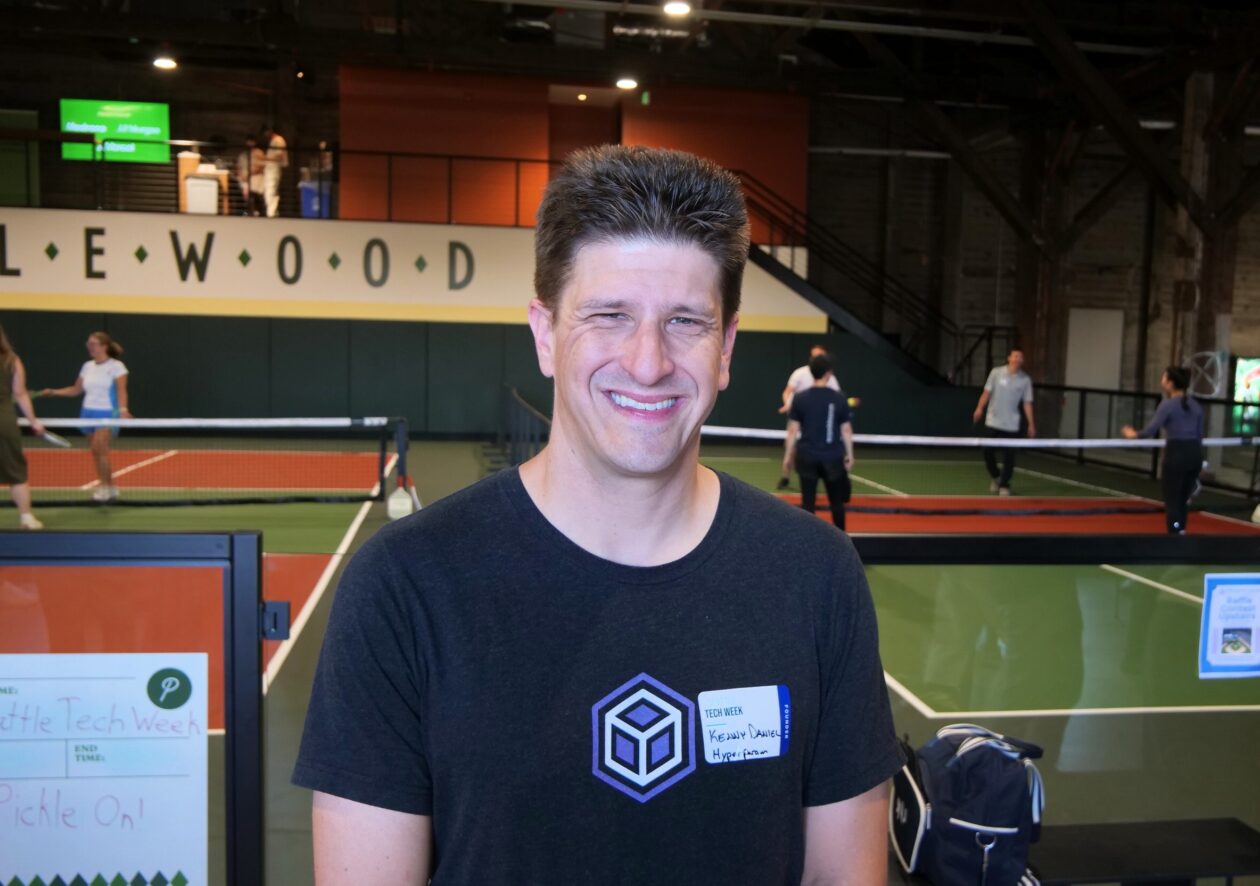
What he’s building: Tools for collecting, storing, and analyzing the data AI systems produce — the record of what agents actually did, not just the code they shipped.
Daniel is founder of Hyperparam, an early-stage Seattle startup, and previously co-founded Algorithmia, the Seattle machine learning company acquired by DataRobot in 2021.
Companies are spending heavily on AI without much sense of what they’re getting, he said. “AI is producing this wall of tokens. Companies are paying huge amounts of money to generate all these tokens, but they have really no visibility into what are these agents doing.”
Every token leaves a trail, and Daniel said most companies ignore it. Mining it would show them where AI is working and where it’s wasting money.
“Where are models being stupid? Where are they going down rabbit holes?” Older analytics tools can’t help, he said, because they were built for numbers and clicks: “People haven’t really been thinking about what do you do when the majority of the data being produced in the world is text.”
Cleo Escarez
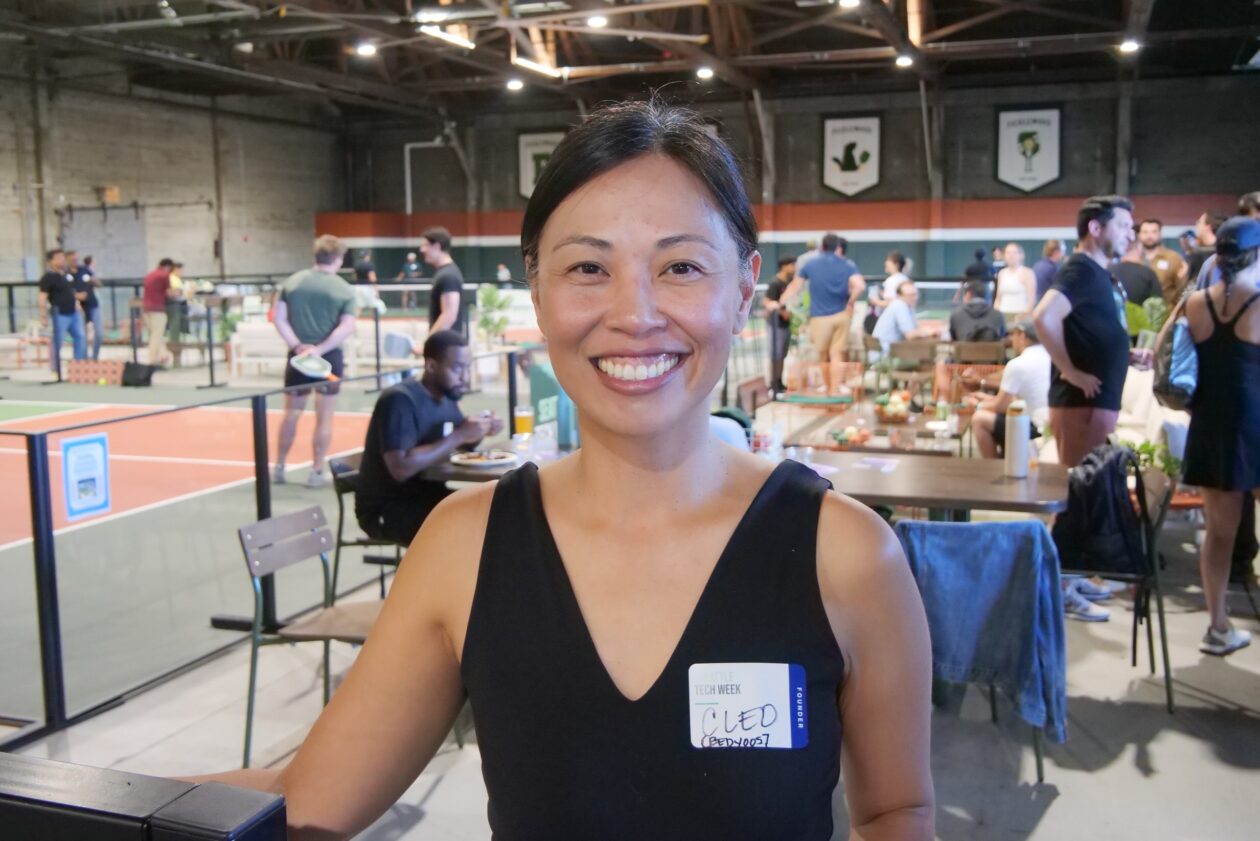
What she’s building: An urban mine — recovering precious metals from jewelry and returning them to the supply chain for clean technology.
Escarez is founder of Redyoos, which GeekWire featured in Startup Radar last year. The jewelry industry accounts for 40% to 50% of the global supply of precious metals, she said — the same materials found in “anything that has an on and off button,” from cell phones to wiring.
Demand for those metals is climbing with AI and clean energy, and Escarez said projections point to a supply shortfall of 700% over the next couple of decades. “We mathematically cannot solve this deficit,” she said, which is why she sees jewelry as a viable source.
Redyoos collects jewelry, refines what contains precious metals, and sells the recovered material to clean-tech manufacturers.
Escarez, a former chief operating officer at Boma Silver Jewelry and brand manager at Starbucks, has bootstrapped the company, which has been live a little over a year and is generating revenue. She is now raising a pre-seed round.
Andy Liu
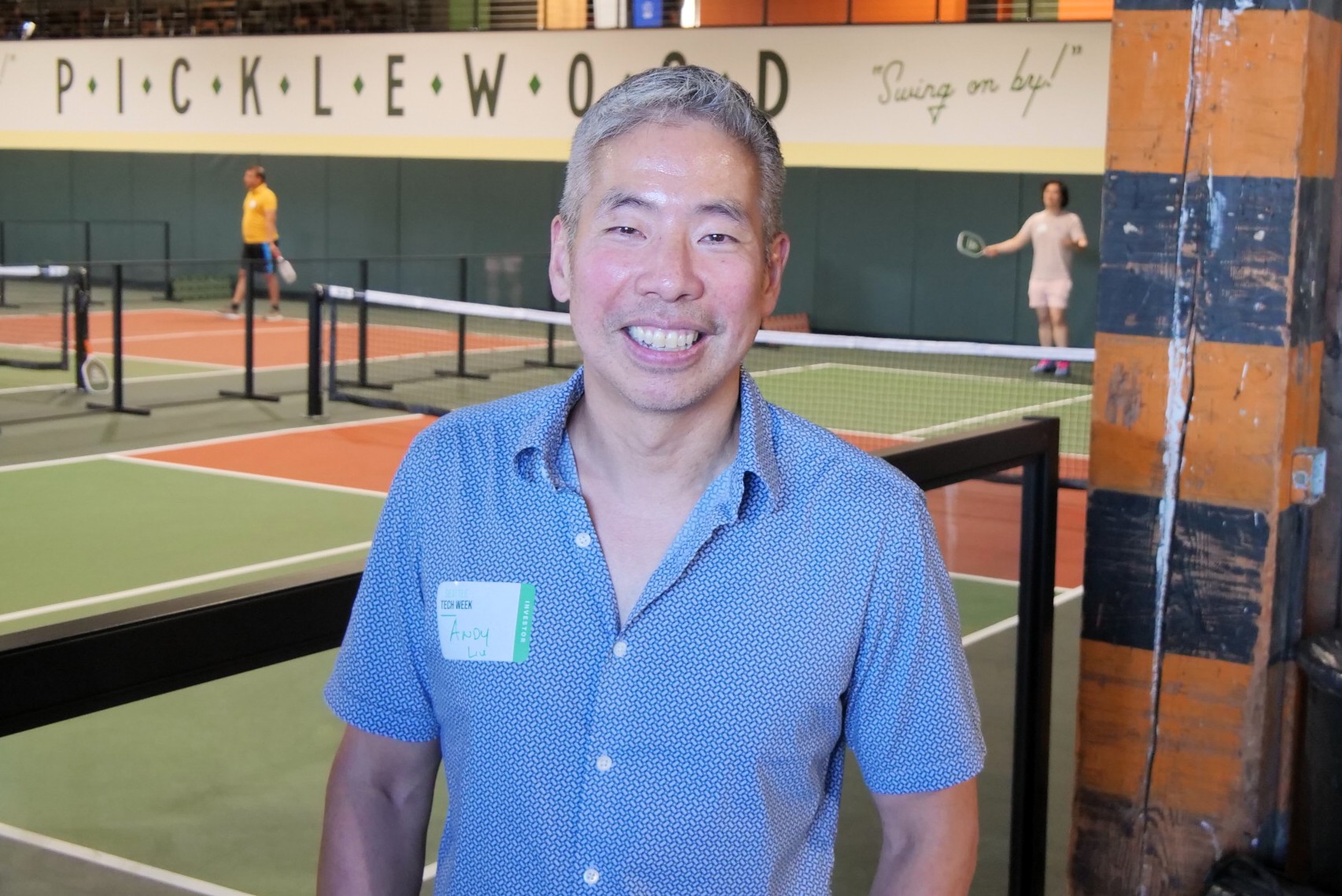
What he’s building: An engineering team inside a venture capital firm, automating the work of investing.
Liu is a partner at Unlock Venture Partners, which he helped launch in 2018 to back early-stage startups in Seattle and Los Angeles, and which raised a $60 million second fund in 2022. A longtime Seattle entrepreneur and angel investor with stakes in close to 100 companies, he was previously CEO of BuddyTV, acquired by Vizio, and of NetConversions, acquired by aQuantive.
“We actually have an engineering team that’s trying to automate a lot of what we do in VC,” Liu said, “and trying to make sure we can scale our business just like our own portfolio companies.”
The work covers deal memos and diligence on prospective investments, along with the mechanics of dealing with the firm’s own investors and collecting updates from portfolio companies.
The point, he said, is better decisions: “How do we get smarter as VCs?”
Mary Jesse
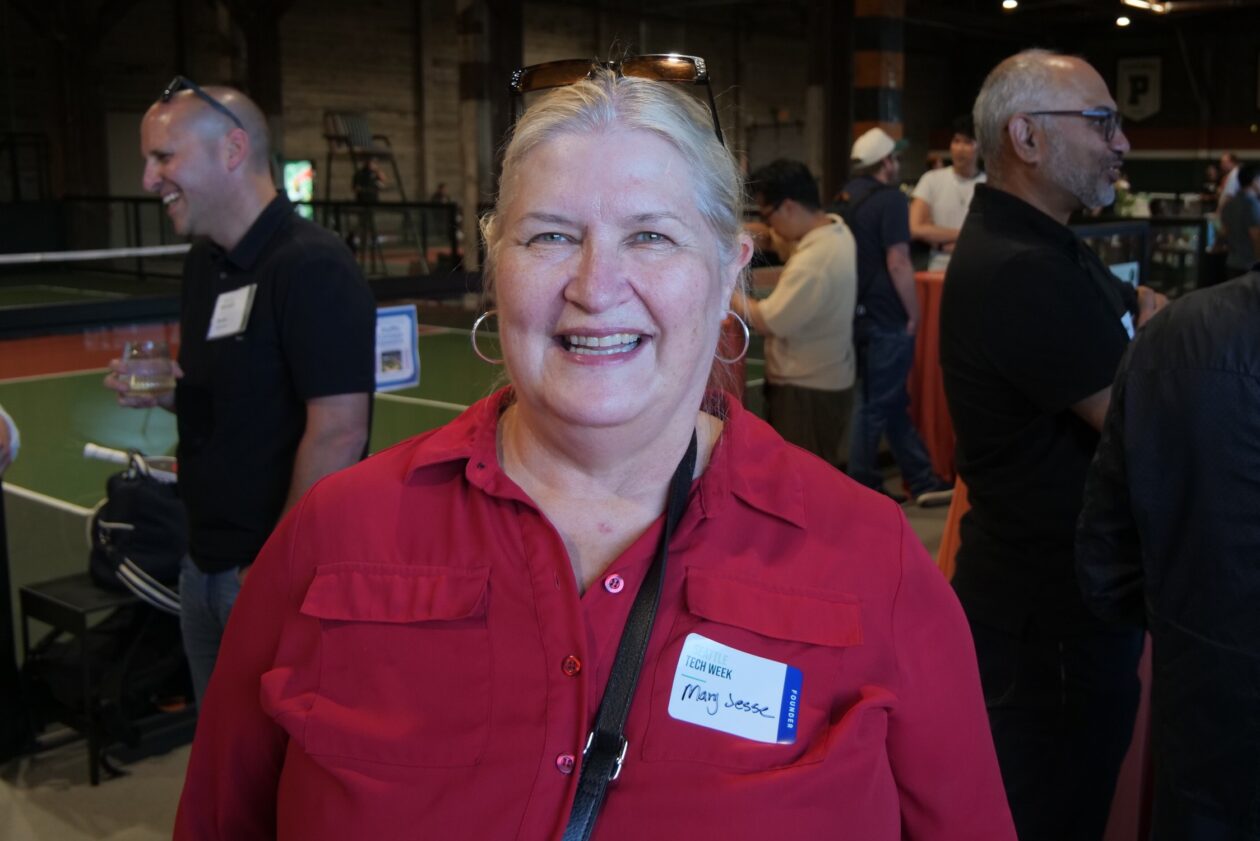
What she’s building: Private AI — letting people own their own data and context, use any large language model, and not be tracked or trained on.
Jesse is co-founder and CEO of ACME Brains, whose first product, nexie, is in beta. GeekWire wrote about the origins of the company last year: after her husband passed away, she turned to ChatGPT and found real comfort in it, then ran into its limits — it couldn’t carry the context of their conversations, and she had concerns about the privacy of what she was telling it.
nexie keeps a user’s notes, journals, and conversations in what the company calls a personal context engine, and carries that context across AI services instead of leaving it scattered in separate chat histories.
Trading privacy for free services goes back to the early internet, she said, but AI tilts the exchange further. A chatbot draws information out of a person in conversation, then combines it with everything already known about them. “AIs can talk you into your data,” she said.
An electrical engineer with more than two dozen patents who spent decades in wireless at McCaw Cellular and AT&T Wireless, Jesse said most people don’t grasp how AI actually behaves, which leaves them exposed — seniors especially. “You need people that understand it to help protect people that don’t.” Her co-founders are Alan Caplan, Amazon’s original general counsel, and patent attorney and engineer Bob Bergstrom.
Emily Rapp
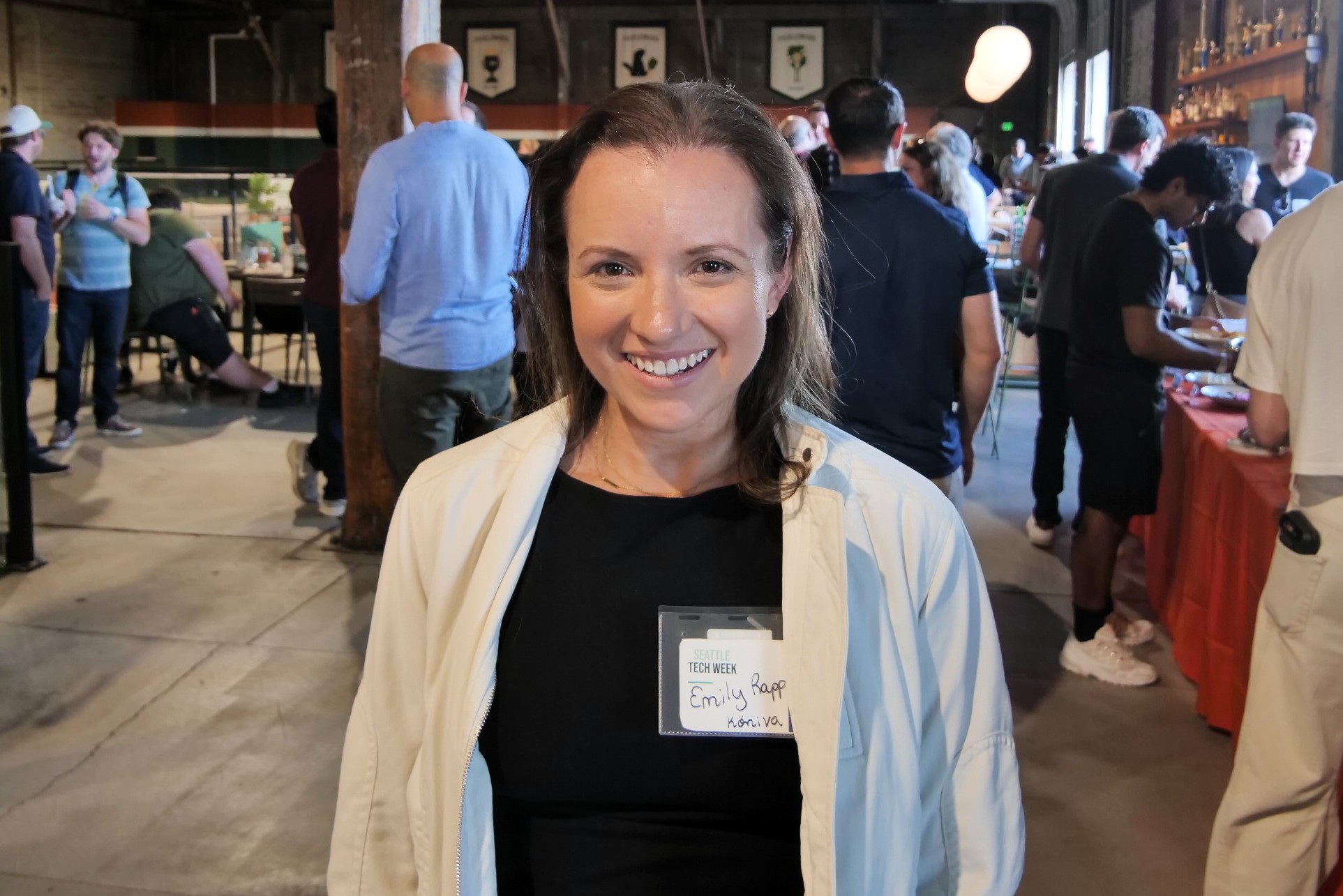
What she’s building: Voice AI that lets bar and restaurant staff count inventory out loud instead of writing it down by hand.
Rapp is founder and CEO of Köniva. A typical hotel resort bar spends 12 hours and four people on an inventory count, she said; with Köniva it’s two people and 3-and-a-half hours, and more accurate. Staff download an app and wear a lapel mic — you want both hands free on a ladder — and count out loud the way they always have.
She came to the problem after a career in big tech and ad tech. Not wanting to build for an industry she’d never worked in, she took a part-time job at Canlis after training as a sommelier.
When she was injured, the wine director let her help with inventory reconciliation and handed her a clipboard of handwritten numbers plus a login to the restaurant’s inventory software. She asked why they were still using paper and pencil when a whole engineering team had built software for the job. The wine director’s answer: it was faster.
Köniva has 10 customers. At several high-end hotels and restaurants, Rapp said, staff put the app on their personal credit cards to start using it, then helped her pitch their own procurement departments — an unusual path in an industry she said has been badly burned by technology.
“It is insane how bad tech has been to them,” she said.
Henry Arias
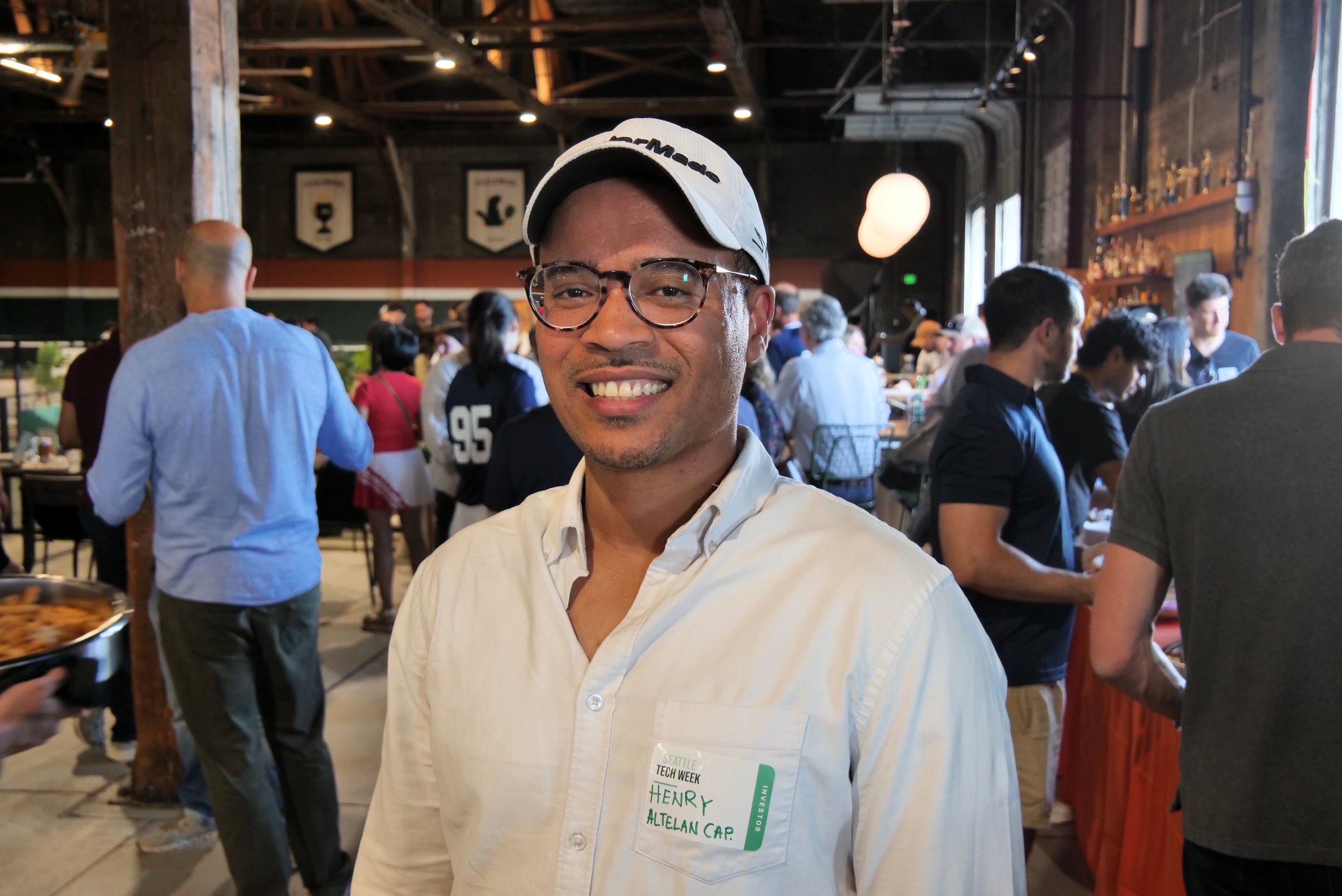
What he’s building: A growth equity firm investing at the intersection of food brands and food tech.
Arias is founder and managing partner of Altelan Capital, a Seattle firm he started last year. It underwrites companies around the Series A stage, generally, providing growth capital and strategic support.
He came up in the industry itself, leading finance at restaurants and breweries and most recently running corporate development and financial planning for Seattle Hospitality Group. That operator lens, he said, is what he brings to investments and to coaching founders on growth. He has been an investor since 2015.
Arias calls Altelan an AI-native investment fund, using AI tools to get up to speed on an industry and test assumptions about a business’s ability to scale and where the risks are. He’s equally interested in where the technology doesn’t belong and simplicity is the better option: “AI is great, but it may not be the right tool for the job.”
The bigger shift he’s watching is food and digitization. The industry has traditionally worked off “the proverbial clipboard and a notepad,” he said, and the pandemic accelerated the move to technology across the supply chain. “There are many applications of tech in food,” he said, “and that’s what keeps us up and gets us excited every day.”
Read the full article here