
CLEVELAND, Ohio — A century ago, this city was booming.
By 1920, it was the fifth-largest metropolis in the United States, fueled by manufacturing, immigration, industrial innovation and entrepreneurs who transformed it into a center of invention and business creation.
And then, seemingly overnight, it all changed. The economy shifted. Jobs dried up. Corporate headquarters moved.
Cleveland’s history is a cautionary tale for Seattle, which is at its own inflection point as we move from the software era to the AI era or what’s next. But the modern story of Cleveland is one of inspiration: a lesson in what becomes possible when business, civic and public leaders pull in the same direction.
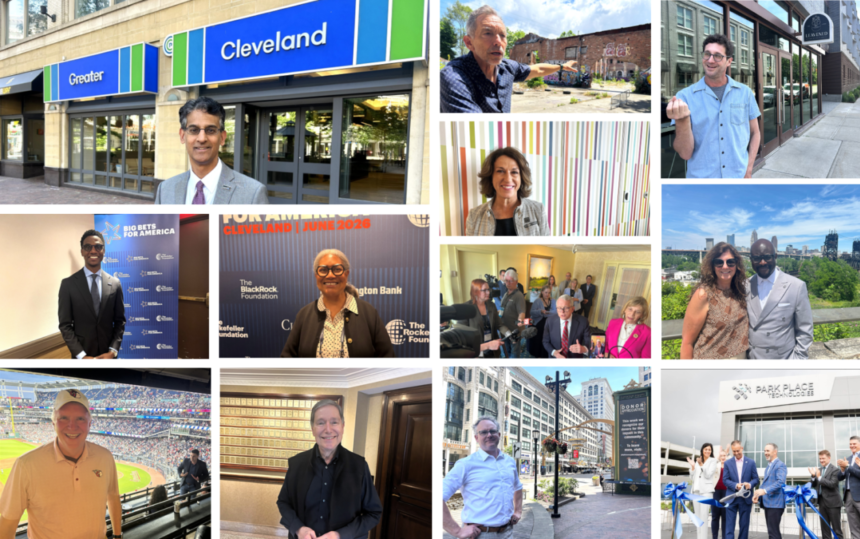
That’s why GeekWire contributing columnist Charles Fitzgerald and I spent several days in Cleveland this week — speaking to philanthropists, developers, entrepreneurs and even Mayor Justin Bibb and Ohio Gov. Mike DeWine. This mini fact-finding mission started four months ago after Charles, a tech veteran and Seattle angel investor, wrote a provocative column for GeekWire titled: A warning to Seattle: Don’t become the next Cleveland.
Mayor Bibb was on the phone with us the next day, making the case for his city. He invited us to explore Cleveland — its rise, fall and rebirth — and get to know another story about a rebounding Midwest city.
We came to learn about Cleveland. We left with new insights about Seattle and what’s needed to foster a prosperous future.
From the moment we arrived in northeast Ohio — where Mayor Bibb’s voice welcomes airport visitors to a city built on “grit and innovation” — to the moment we left, one thing stood out. While not everyone agrees on every issue, there is a palpable sense that Clevelanders are “all in” — rowing in the same direction like a crew quietly propelling its shell along the Cuyahoga River.
Here’s what we learned from Cleveland:
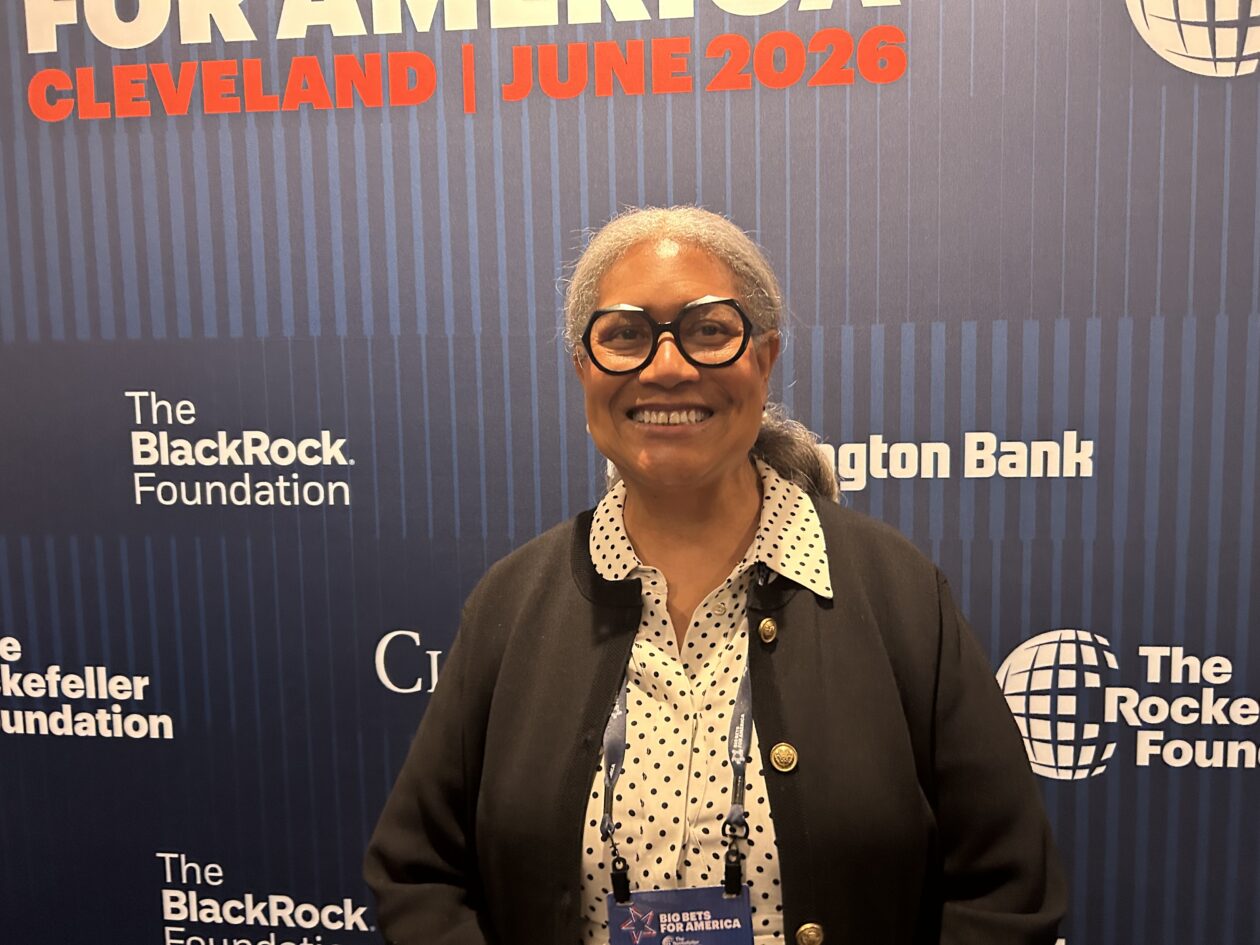
Sandra Morgan is the mayor of East Cleveland, a small city bordering Cleveland with one of the highest poverty rates in the U.S.
Her advice to Seattle: count your blessings.
“The City of Cleveland, and by extension, East Cleveland, rode a wave of innovation and industry and growth that was unparalleled, really, just about anywhere in the country for quite a while,” she said. “And then when we took a dip and a turn, it was a pretty dramatic turn of events. And it has taken probably the better part of 50 years to right the ship and turn things around.”
For East Cleveland, she said, “that ship has yet to be righted. We’re still working on it.”
But Morgan wasn’t telling Seattle to fear growth. “Chaotic growth, it’s fun, but it’s not necessarily the best way to grow,” she said. “And always with growth comes some unforeseen issues and problems, but growth still is better than no growth, in my opinion.”
She also extended an invitation: “When you get tired of being in Seattle, come to East Cleveland, Ohio. We’ve got plenty of space for you.”
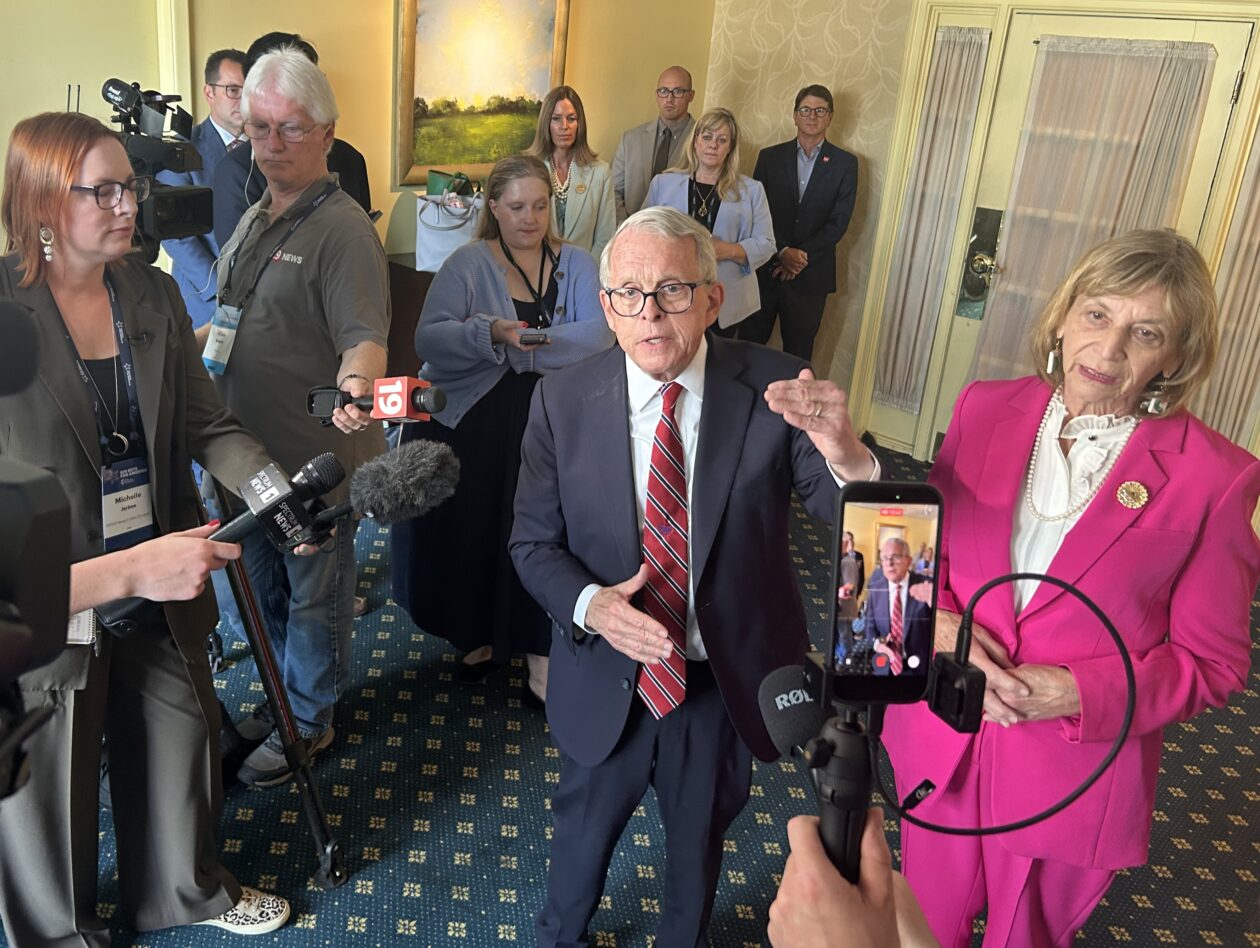
Ohio Governor Mike DeWine, who has led the state since 2019, was in Cleveland announcing a $300 million workforce development program through JobsOhio.
“I don’t give advice to other areas,” he said in response to our question. “But my advice to people is, come to Ohio. Come work in Ohio. You will not find a better place, better people, quality of life. Cost of living is low compared to the two coasts.”
He pointed to the companies betting on the state. “There’s a reason why we are getting companies like Anduril that are relocating at least part of their new business to Ohio. There’s a reason why Joby is here. There is a reason why Sherwin-Williams stayed here.”
“Look, this is our time. It is the Midwest’s time in history,” DeWine said. “We do not wish anybody to not be successful, we want everybody to be successful in this country. But we know we have something special here in Ohio.”
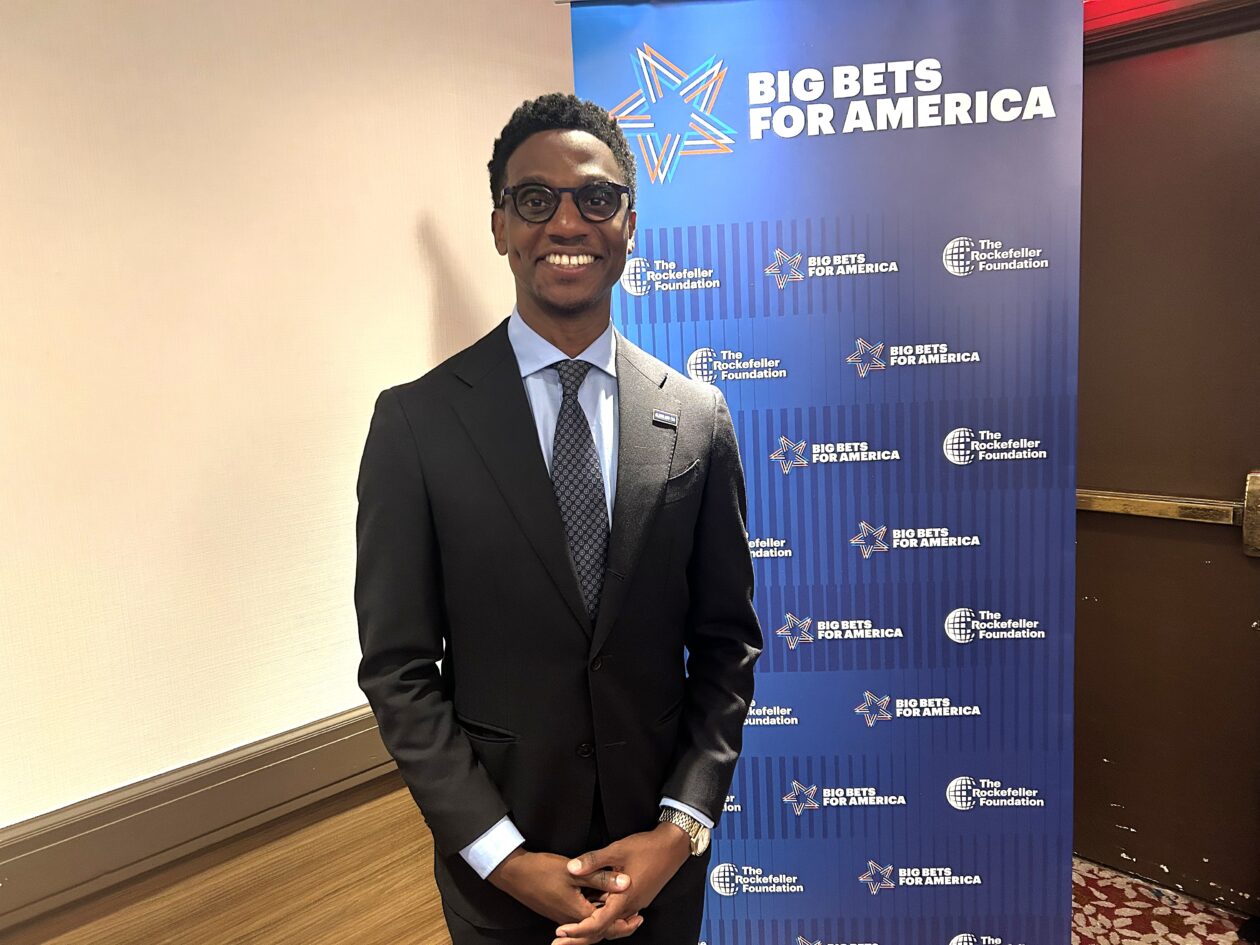
Justin Bibb is the 39-year-old mayor of Cleveland. When we asked him what advice he would give Seattle and its new mayor, Katie Wilson, he started with the fundamentals.
“You’ve got to focus on the basic plumbing and tackling of good city governance,” he said. “At the same time, as former mayor Pete Buttigieg always says, the job is part pothole, part vision. And that’s kind of been my duality of, hey, the cops gotta get paid, the streets have to be safe, the potholes have to be fixed. City government has to function well.”
But running the city well is only half the job, he said. “You have to chart a vision for where the city is going to go. Because in this economic environment our customers, our residents and our businesses can choose like that, so we have to make sure that our value proposition is sticky and compelling. And to me that’s the job of mayor.”
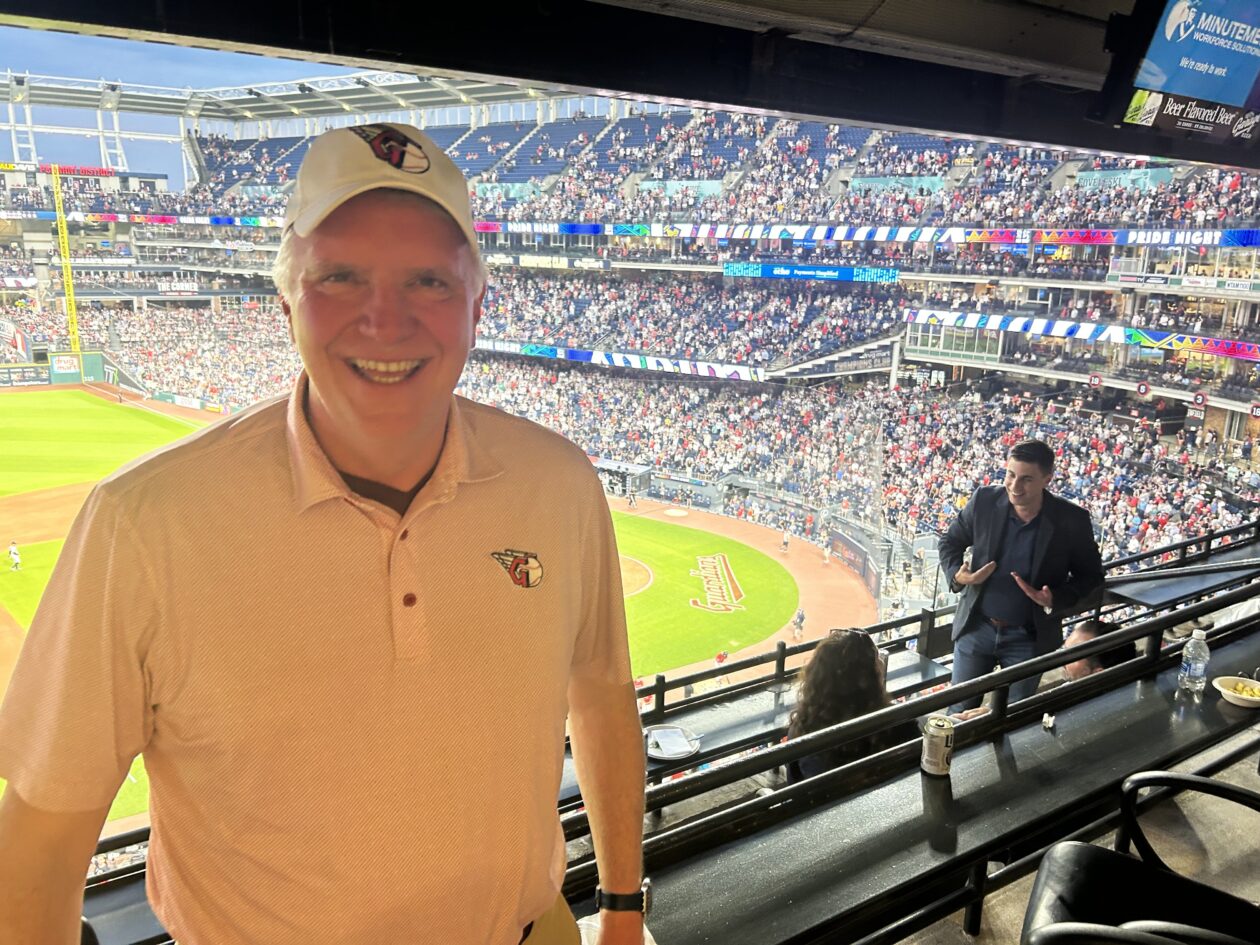
Chris Ronayne is the Cuyahoga County executive, the top elected official in the county that includes Cleveland, and a former planning director for the city. His advice draws on that planning background: figure out what’s working in your community, and invest in it.
“Support what’s working. Organically grow what you got,” he said, contrasting that approach with the economic development strategy of chasing the next big company. “The cavalry’s not coming,” he said. “That’s the lesson for Cleveland, and it’s a lesson for Seattle.”
He also pointed to immigration as essential to growth, noting that immigrants have been the Cleveland region’s only source of population gains in recent years. “Metros have to lead the way on strategies to bring newcomers to your city,” he said, acknowledging that it’s “a complicated task” for any metro region in the current environment.
His third piece of advice: don’t fixate on the giants. Cleveland was once known for its Fortune 500 headquarters, as Seattle is now, he said, but “the real lifeblood is small business.”
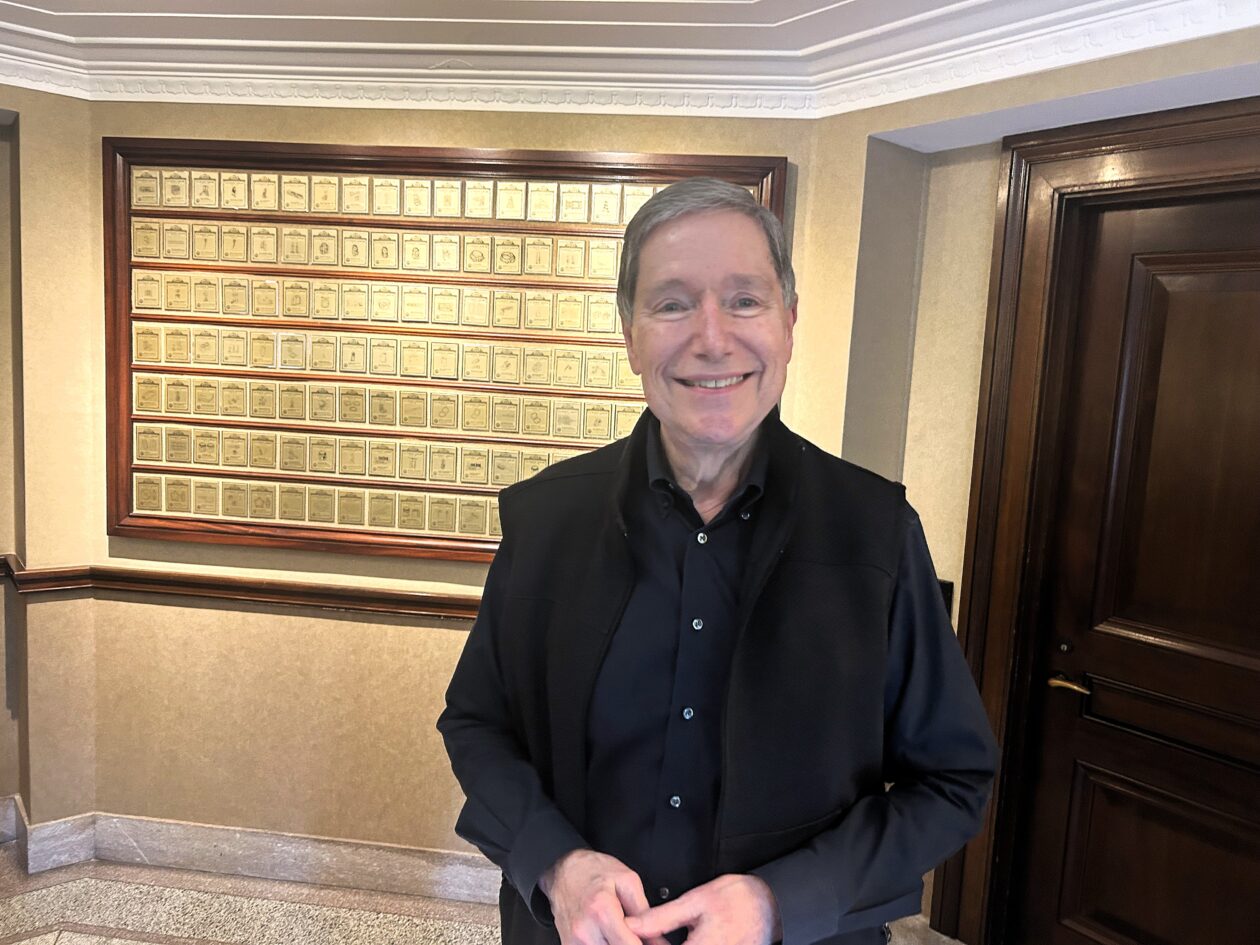
John Nottingham is co-founder of Nottingham Spirk, the Cleveland innovation lab behind products like the Crest SpinBrush, with nearly 1,600 patents to its name. The firm operates out of a renovated former Christian Science church overlooking the city’s University Circle district.
His advice: “You have some pretty high-powered entrepreneurs in Seattle. You should appreciate your entrepreneurs.”
Nottingham reached back a century for his cautionary tale: John D. Rockefeller, who built Standard Oil into “the first multi-national company, driving everything else,” he said. But the oil baron’s success bred resentment in his hometown. “He was almost pushed out of Cleveland, and there’s a lot of stories about that.”
Rockefeller decamped to New York, and later in life directed a massive gift that built the University of Chicago. The lesson for Seattle, where prominent tech leaders have been leaving the region, wasn’t subtle.

Brad Whitehead is managing director of site readiness for the Good Jobs Fund and developer of The Midline, an industrial district taking shape on Cleveland’s near east side, including the former Westinghouse light bulb factory where he gave us a tour.
Cleveland’s mistake, he said, was complacency. The city had reinvented itself so many times that its leaders trusted it would simply happen again. Seattle can learn from this.
“Where the next thing has always come along, you can’t assume that that’s going to happen,” he said. “For many years, we had this sense of who we are, and because we had the great names, that it was all going to continue to work well.”
The region learned too late that prestige and payrolls are different things. “Just because somebody has a corporate headquarters doesn’t mean that’s where they’re producing. We’ve got fabulous companies that figured out how to adapt and survive, but that meant the jobs often left and went to other places.”
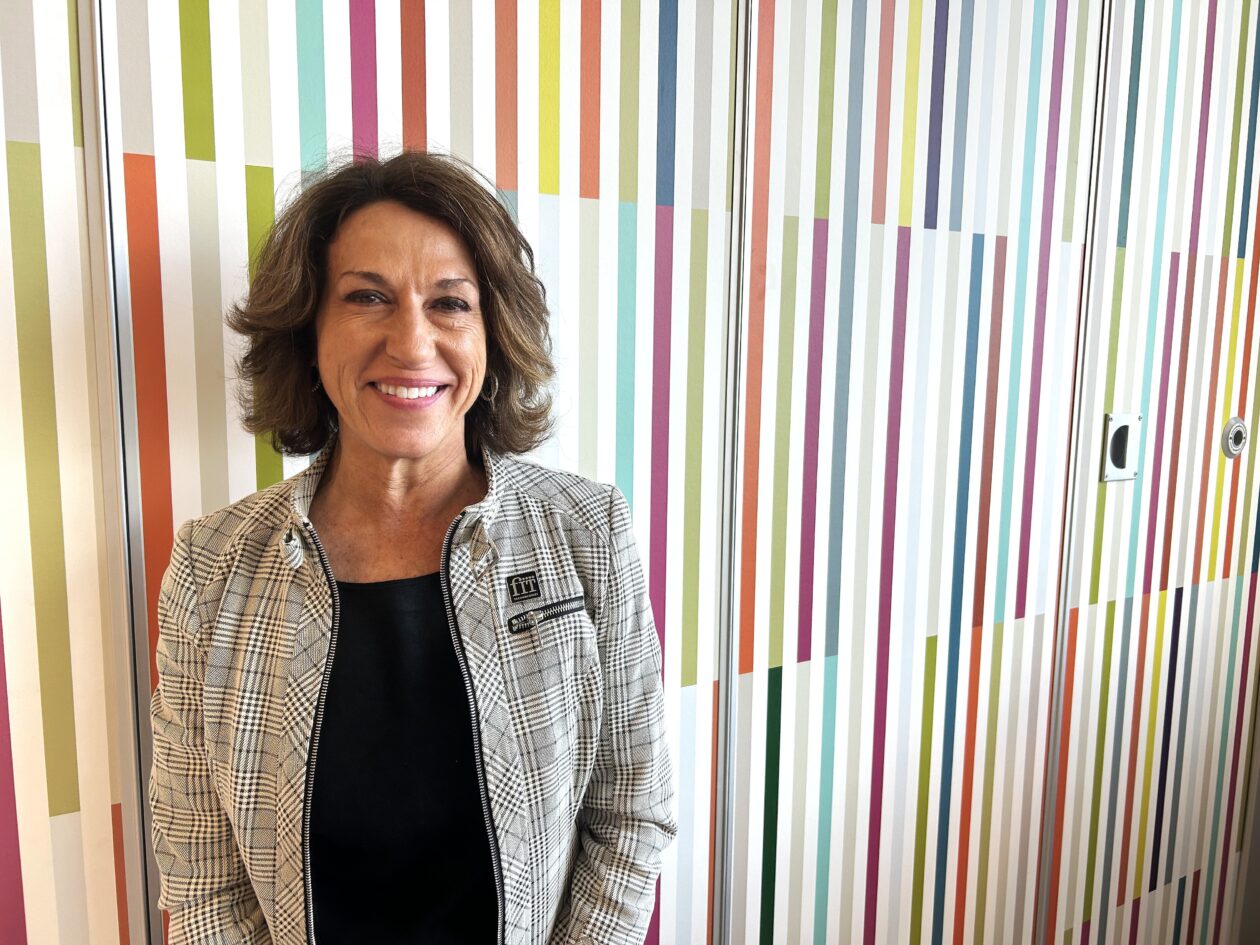
Michelle Tomallo is co-founder and chief people officer at FIT Technologies, an employee-owned IT managed service provider in downtown Cleveland.
Her advice echoed a theme we heard repeatedly: success has a way of narrowing your vision.
“Be very thoughtful about what the future is holding,” she said, “because I think when we have grand success, sometimes we are far away from what’s coming next.”
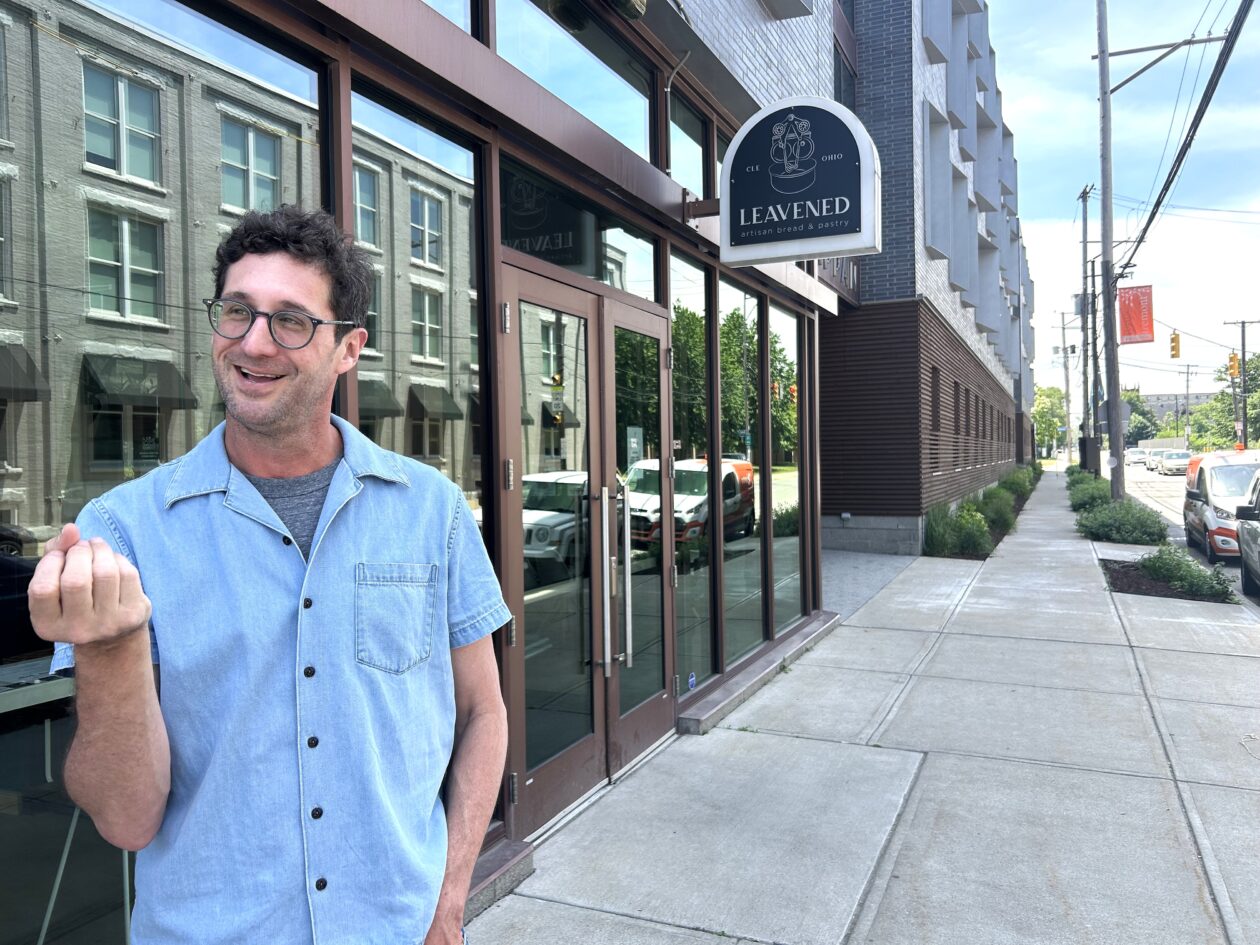
Josh Rosen is co-owner of Sustainable Community Associates, a real estate development company that’s converting abandoned gas stations, dry cleaners and industrial sites into housing in Cleveland’s Tremont neighborhood.
Looking at Seattle from the outside, Rosen sees concentration risk.
“It feels like Seattle is dependent on a sector, and in a lot of ways very few companies within that sector,” he said. “And that allows for a certain type of growth. But as things change, if you don’t develop a framework of interdependency of all the different stakeholders, that change can be sudden and not what you want it to be.”
The lesson, he said, “is to start to build an ecosystem of working together, so when there are shifts or there are changes, the community is prepared for that next phase.”
As a developer, he pointed to real estate as the place where that fragility shows up first. “You have all these buildings that are built based on a certain amount of income being produced. And that’s how those mortgages and those loans are being serviced. And what if that changes by 20 percent?”
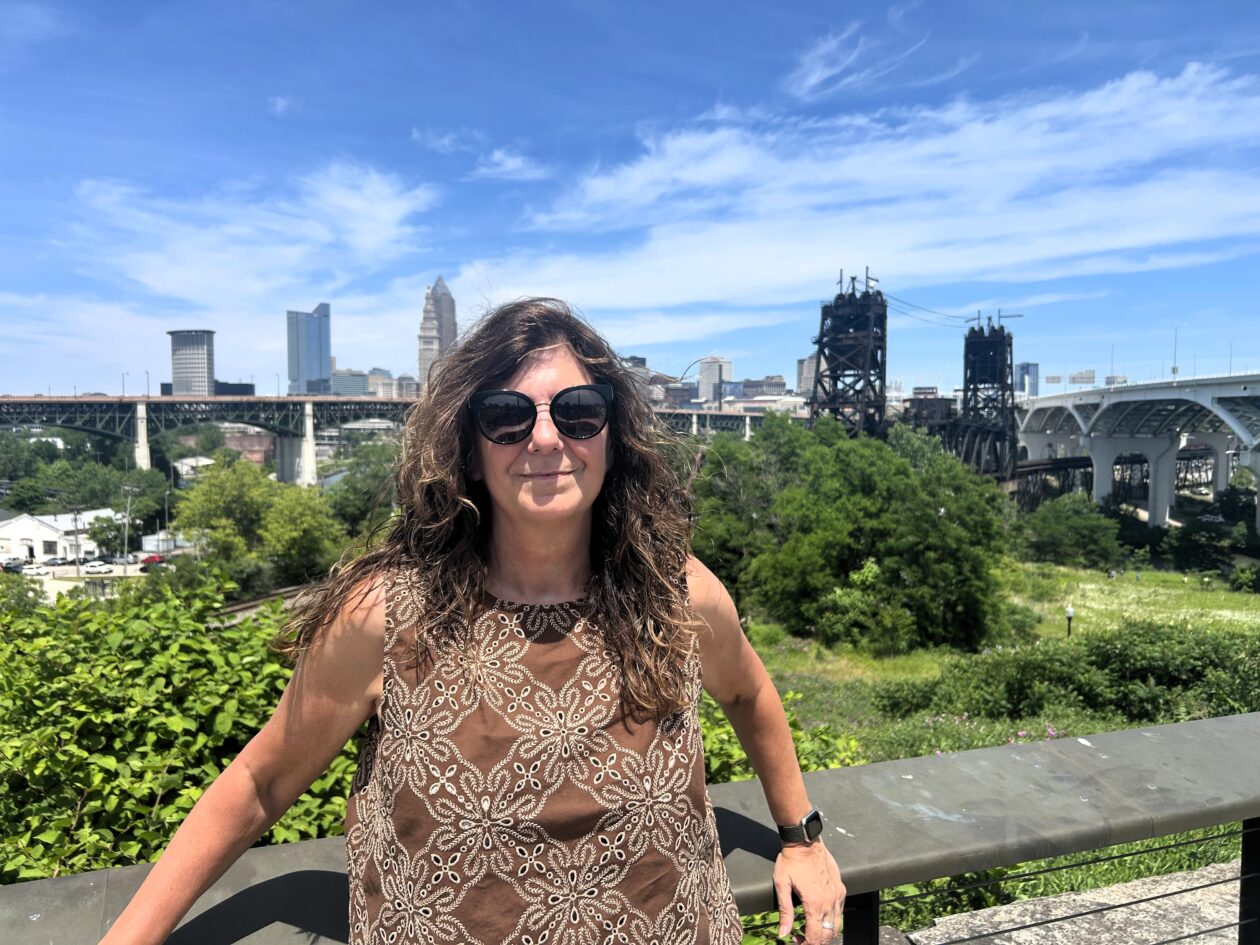
Yvette Ittu is president and CEO of Cleveland Development Advisors, which channels investment into real estate and redevelopment projects in Cleveland’s neighborhoods.
Her advice was less about any single policy and more about how a city works together.
“The collaboration between the business community, the civic sector and the public sector are imperative for anything you are going to do in your community,” she said. “It really takes connectivity with all of those sectors, collaboration and communication.”
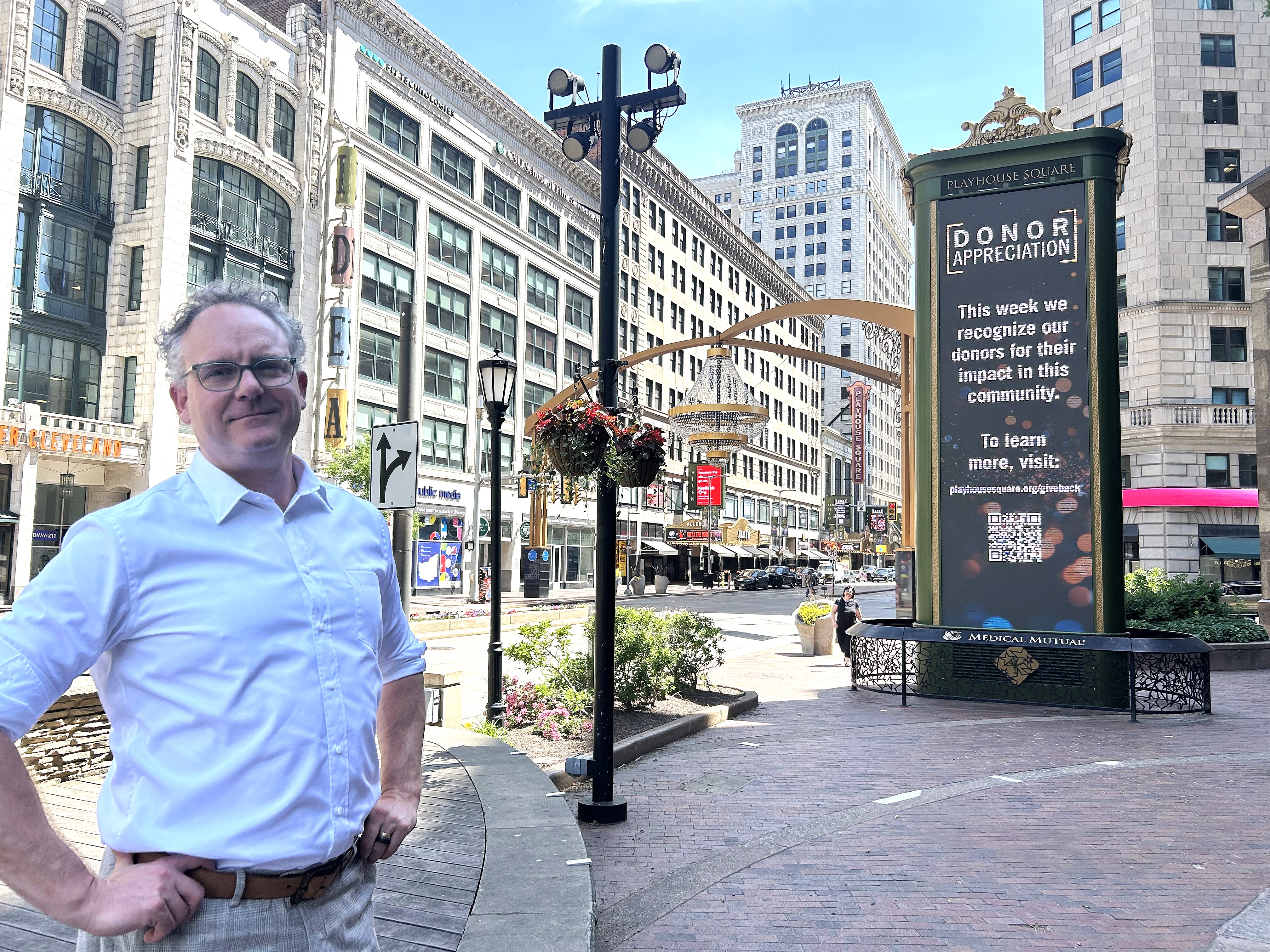
Nathan Kelly is president of Playhouse Square Real Estate, part of the nonprofit that operates one of the country’s largest performing arts districts outside of New York.
His advice gets at a prerequisite for everything else: “I think safety, real and perceived, is the most important factor for building a place or growing a place,” he said. “And I can only impact the perception of safety. But we do it with small things, like I require all of my tenants on the retail and second level to have their lights on 24/7 so that that light sheds out onto the street. We do a lot of things with color and paint that make things feel vibrant, even if you’re alone.”
It’s not just cosmetic, he said. The district works with the city and economic groups on uniformed officers and safety patrols, while addressing deeper human service needs. “I know who to call when somebody is having an episode that doesn’t require a police intervention. I think that’s the most fundamental.”
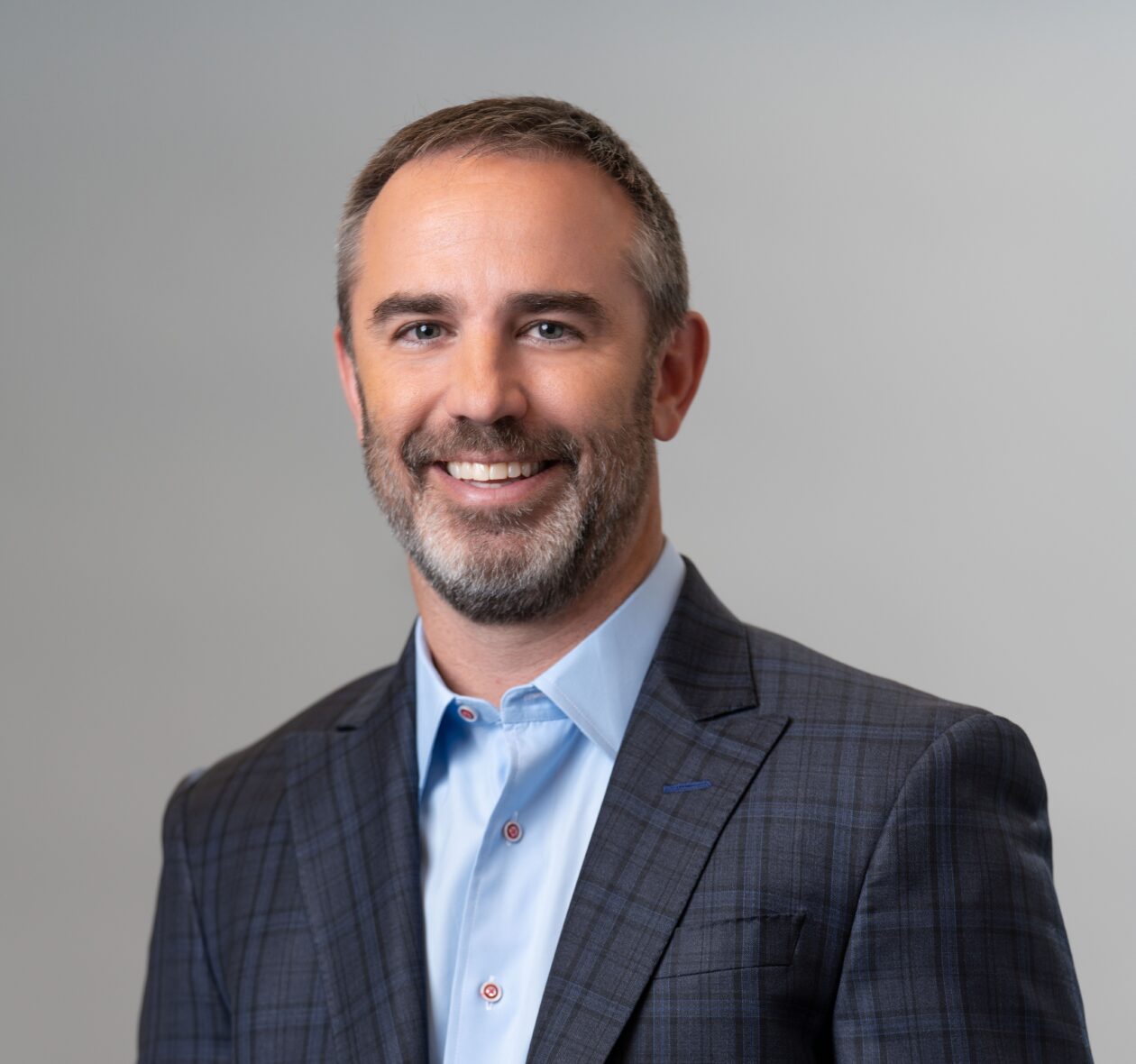
Chris Adams is president and CEO of Park Place Technologies, an IT infrastructure services firm with more than 500 employees at its Cleveland headquarters.
Cleveland’s problem wasn’t a lack of warning signs, he said. It was the speed of the response.
“When the world started changing, we needed to, as a community, adapt quicker. I really think it is the bureaucracy that lets people down. Your job is to provide for the constituents,” he said. “We are doing well now as a community environment, but it took some time for people to pivot.”
He described the danger this way: “You are always looking in the rearview mirror and you are riding that wave, and you don’t see the land in front of you that you are about to crash into. You can only surf the wave so long. Fundamentally, people need to look forward, not behind.”
“Just because it has been a boom town out there for a long time, that only gets people overconfident,” he added. “If you get too confident in what you have, you can lose it.”
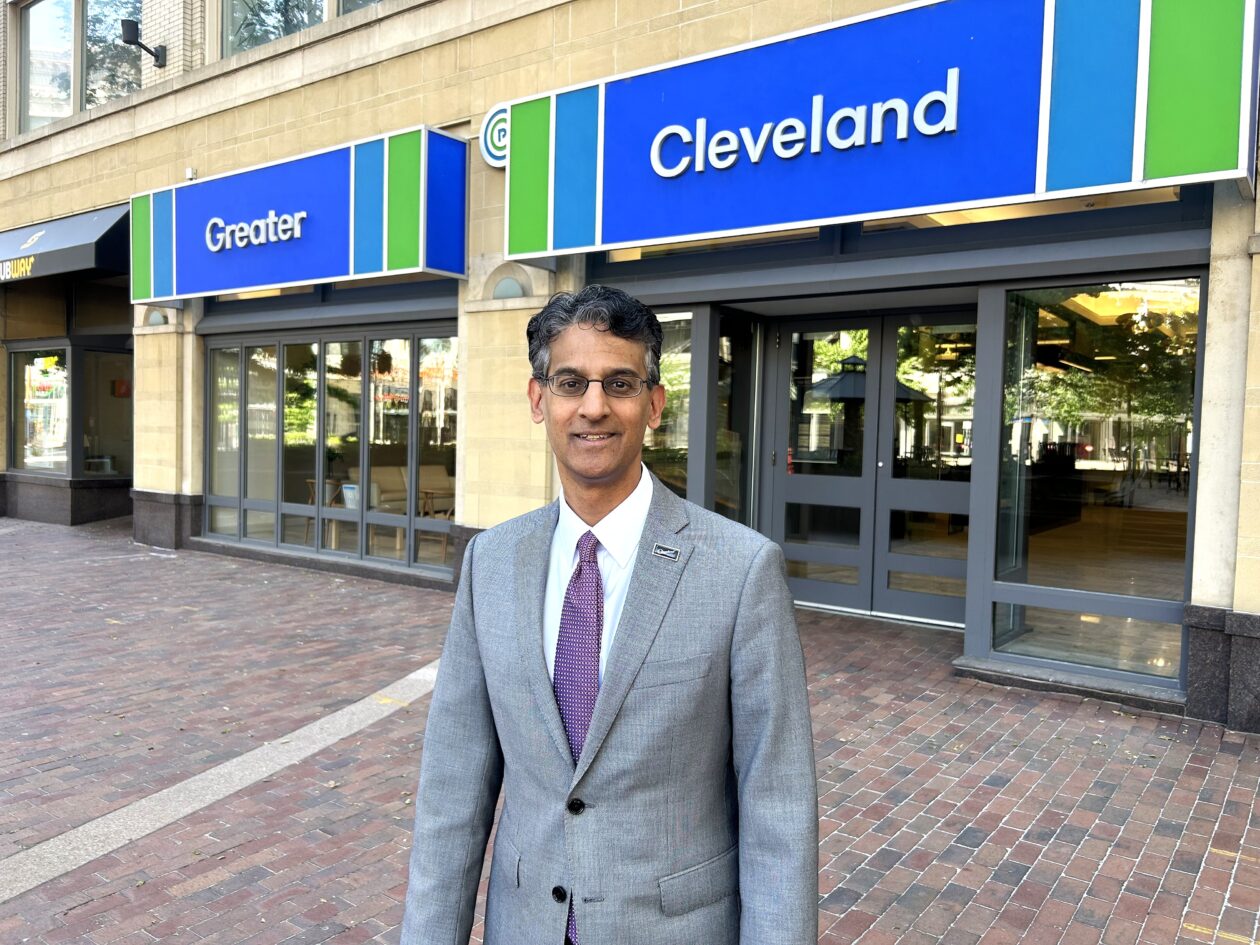
Baiju Shah is president and CEO of the Greater Cleveland Partnership, which has organized the region’s comeback effort around a shared 10-year plan called“All In.”
His advice for Seattle is the strategy behind that name.
“You need to get your business leadership and your public leadership heavily engaged and committed. We call it ‘all in,’” he said. “There’s got to be an economic vision for the region that everyone can get aligned behind and start to work hard on these types of priorities, whatever those might be.”
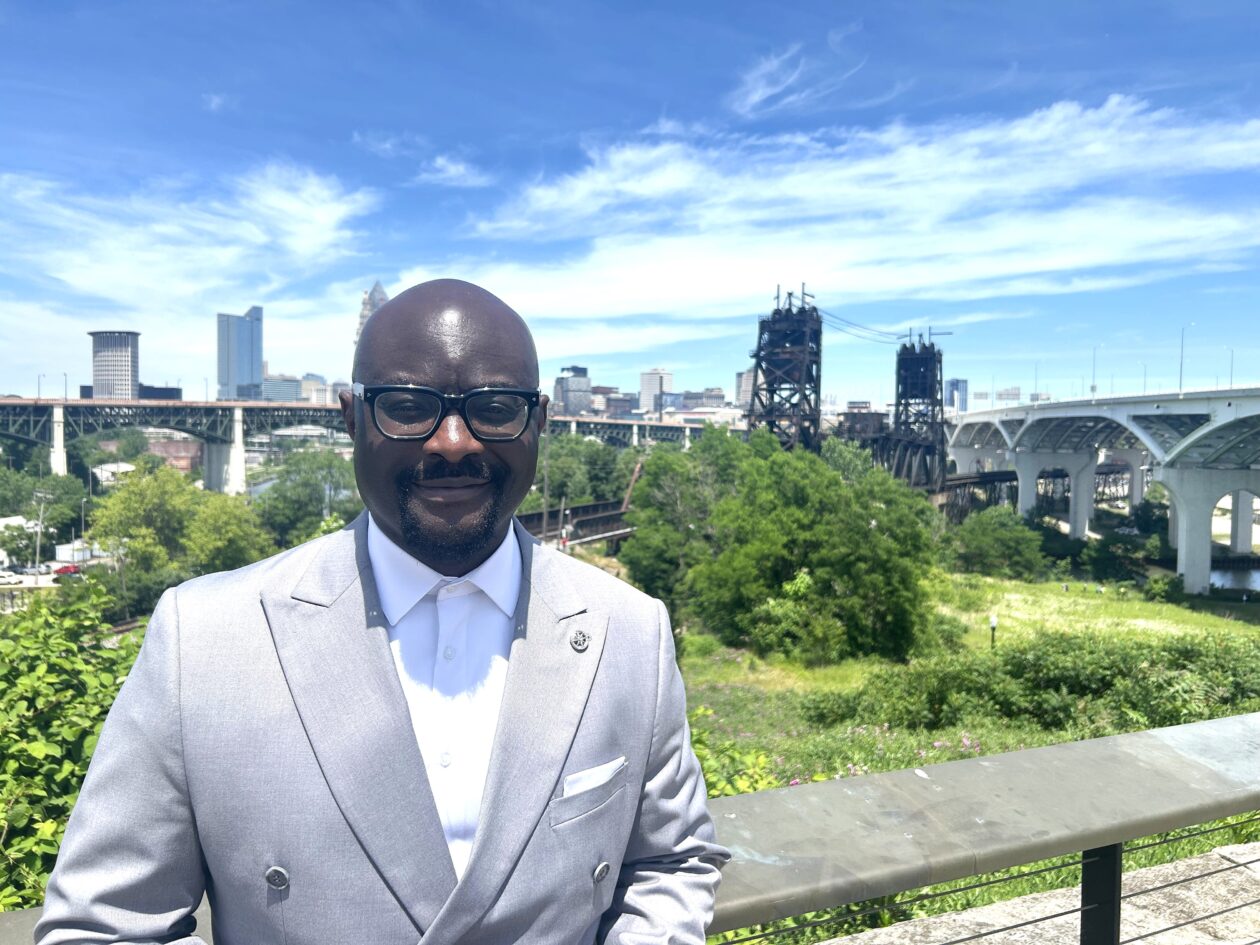
Freddy Collier is senior vice president of strategy and new initiatives at the Greater Cleveland Partnership, the region’s chamber of commerce.
He pointed to the trait that carried Cleveland through its hardest decades: “One of the key things that makes Cleveland special is resilience. It continues to evolve, and reinvent itself. And that’s one of the things I love about this town. It’s a big city with a small town feel. People know each other, and people are connected.”
His advice for any city navigating change: invest in the things that bind people together. For Cleveland, that starts with geography: “Our natural assets I think are our superpower: our waterfront, riverfront, our trails,” he said. “And those are the things that connect people, no matter what walk of life you come from, no matter what your demographic situation is, no matter what your economic situation is.”
“We have things in this town that are unifiers, that are equalizers,” he said, “and I am really proud of that.”
Coming Saturday: John Cook and Charles Fitzgerald join the GeekWire Podcast from an abandoned Westinghouse light bulb factory in Cleveland to share what they learned, and what it means for Seattle’s future. Subscribe to GeekWire in Apple Podcasts, Spotify, or wherever you listen.
Read the full article here