
Harvey Randall
I’ve beaten Ascension 10 on every character other than the Necrobinder and Defect (and their day is coming), and I’m having a much better time than I did trying to climb the difficulty ranks in Slay the Spire 1.
Slay the Spire 2 has—among some of my coworkers—been a bit of a contentious little game. Back when it first came out, my fellow writer Robin Valentine wrote that Slay the Spire 2 felt more like a remake than a sequel after beating it with an eight year old deck, calling it “a really impressive late expansion pack.” Still good, but treading over old ground.
And while I do agree with Robin that a lot of the same decks can win those earlier ascensions, the more I play, the more I’m deeply taken by Slay the Spire 2 in a way that I was never absorbed by the original—which I went back and played a bit of before this and just didn’t have the same zest for.


Slay the Spire 2 is samey, sure, but it’s deceptively so. There have been several core, granular baseline level changes that have, in my estimation, made it feel very different.
Different energy
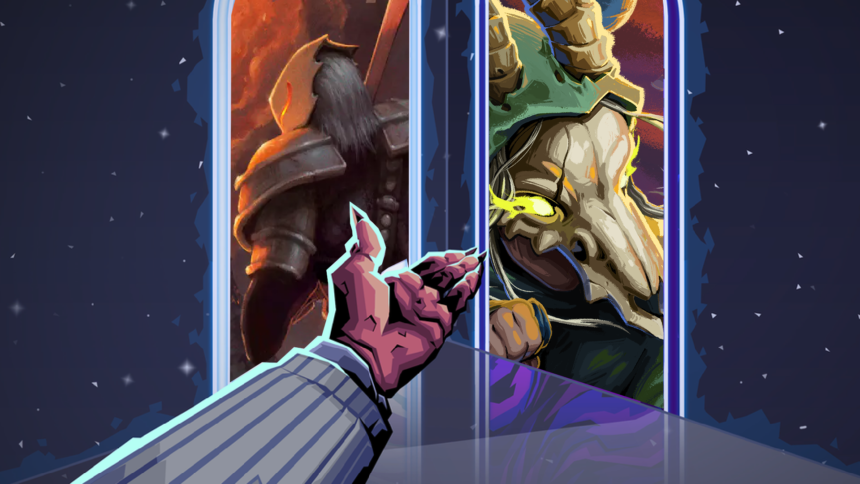
The first, the most obvious shift, is in the ancients—at the end of each act of STS2, you have a chance of rolling between a set of ancients, each of which will have their own trade-off boons. In STS1, beating one of the acts netted you a relic which almost always gave you one more energy per turn—and, because of how tempo worked, the non-energy relics were almost never worth taking.
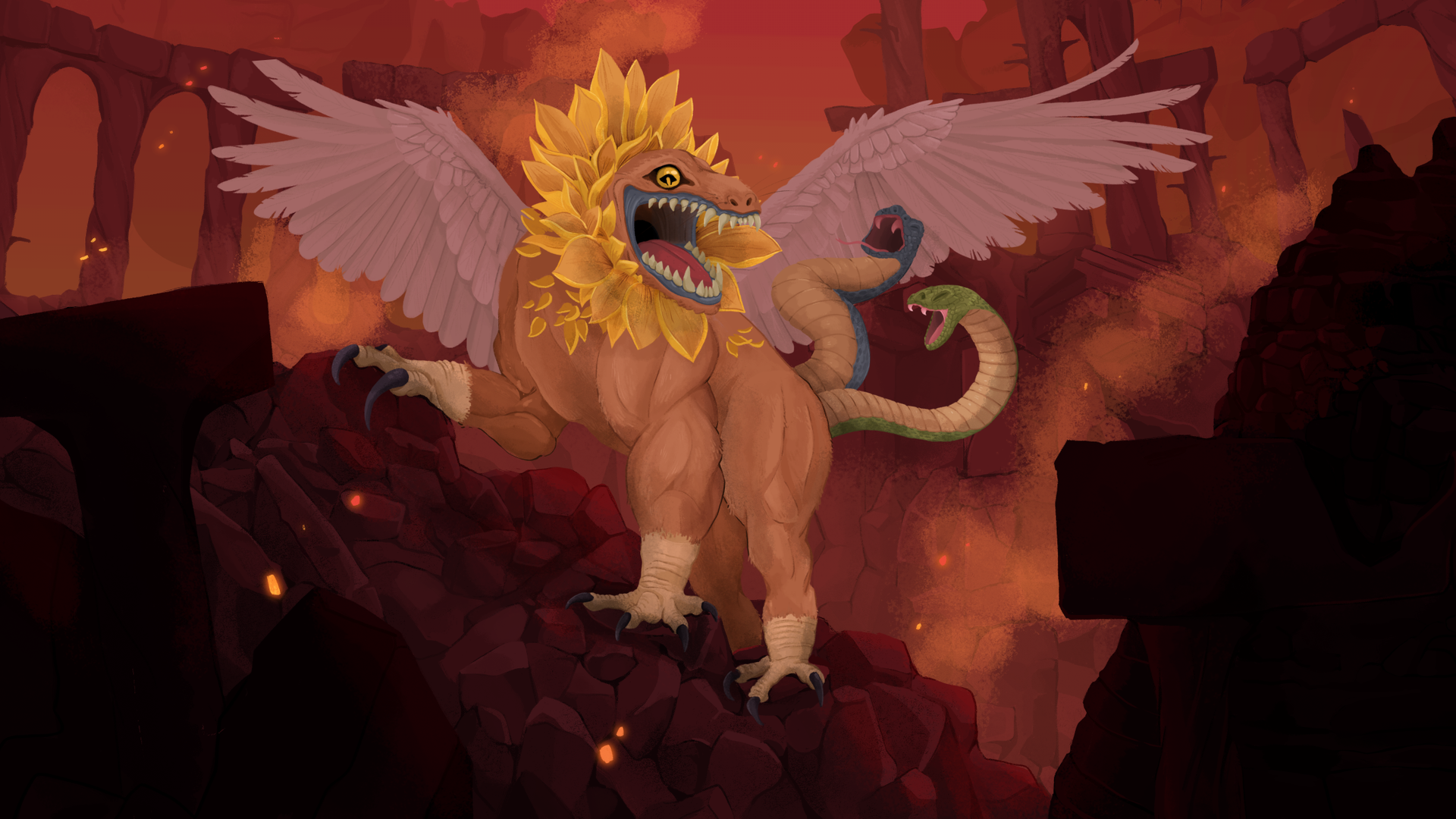
Slay the Spire 2 has such a better variety in this regard. They can be completely run-defining. Getting one extra energy per turn is still incredibly valuable, but relics that offer that often come with major downsides.
Take Vaaku’s Whispering Earring, for example. You get one extra energy, but you have zero control over your first turn, with Vaaku playing your cards from left to right—this is a massive gamble, but it’s almost always possible to survive a bad first turn, right until it isn’t.
Tezcatara’s Seal of Gold is also majorly impactful, too. At first glance, losing five gold per turn for extra energy doesn’t seem terrible—but I’ve had entire builds won with the right choice of relic from the merchant. Take my Ascension 10 Regent win, where I managed to snag a Mystic Lighter to buff a sharp-enchanted Seven Stars.
Suddenly I had a card that dealt 18 damage seven times (for a total of 127 damage) for a piddly one energy, with cards to help buffer the star cost and recycle it back into my draw pile. If I’d taken the Seal of Gold, I wouldn’t have been able to afford it.
Nonupeipe’s Glitter relic is a stand-out, giving all Act 3 card rewards a once-per-combat replay. This thing alone has completely steered my gameplan from a thin deck to a thick boy with lots of value.
Speaking of, the card enchantment system’s great, too—I want to shout out Clone, which is absolutely absurd in some runs, letting you get potentially dozens of the same card type if you’re able to finesse rest sites enough to use it. Momentum turns every card into the Ironclad’s Rampage, Royally Approved can make any card a core component of your deck. The possibilities make my roguelike heart giddy.
Enemies close
Then there’s the enemy design, too—I just like STS2’s encounters a whole lot more. Yes, even the absolute bullshit ones. I’m looking at you, Hunter-Killer.
STS2’s rogues gallery is flooded with brutal encounters that scale quickly and, at higher ascensions, require you to cover your bases. Rather than trying to thin your deck to get an infinite loop, Act 1 becomes a make-or-break rush to make sure you’ve got defense, damage, draw, and energy generation all handled ASAP.
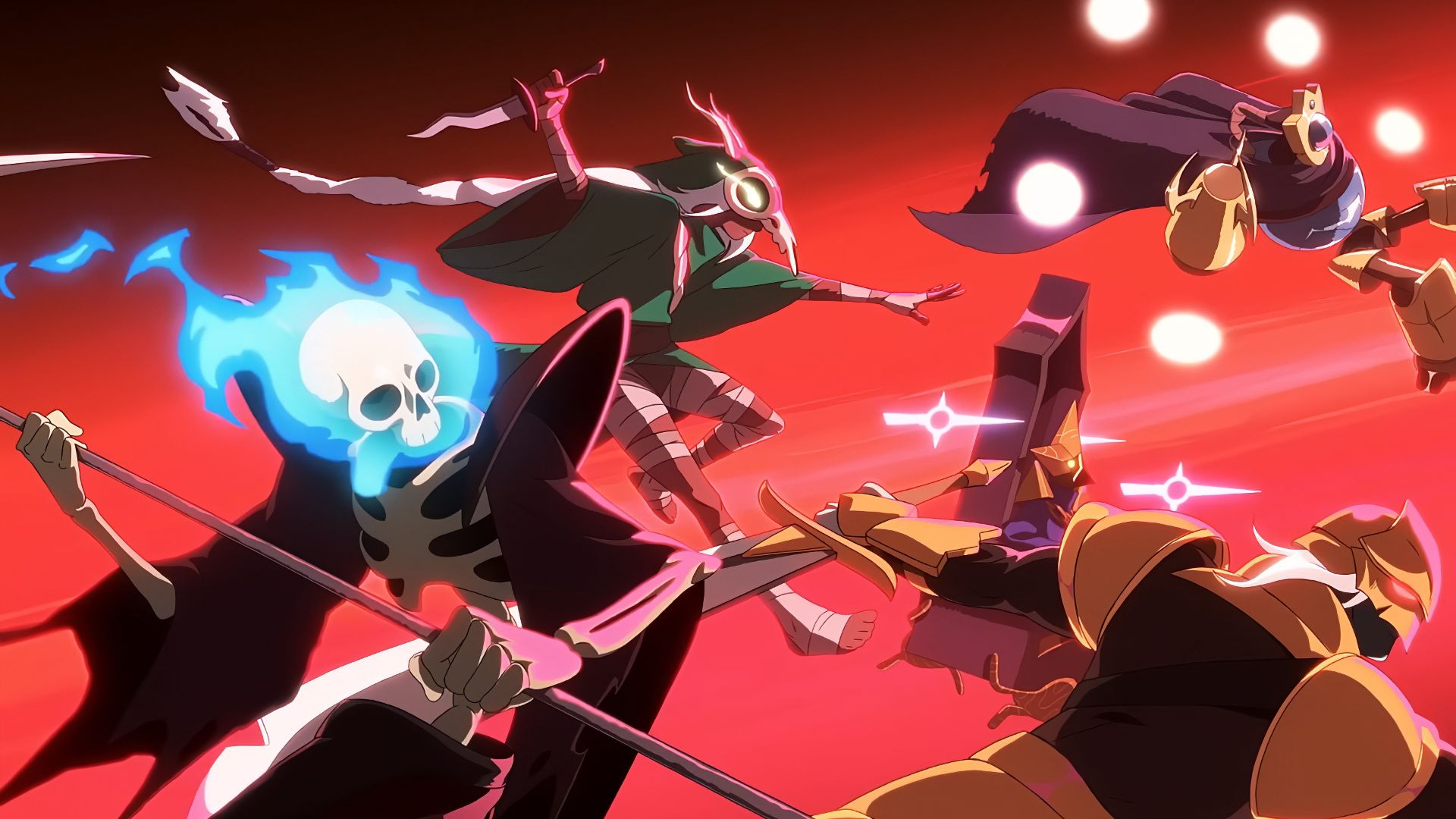
This is much better than the feeling I got from STS1, where I just felt as though I was trying to stumble into a synergy. All of my runs in STS2 feel more constructive—I’m building up a solid deck brick by brick, rather than just fishing for the right combo of cards. And that steadier pace makes it feel all the more exciting when I do stumble into something special.
It’s a complete shift in design philosophy—one that extends to the bosses, too, which challenge your decks in far more interesting ways than in the first game. So often in STS1, the Timekeeper (screw that guy) would often just spell doom for my deck, and given the fact you only see who you’re fighting in Act 3, it would almost always be too late to change course.
In STS2, though? There’s not a boss I can’t design around. Even the Doormaker (who will be taking a sabbatical soon, per the game’s beta branch) can be prepped for simply by spending Act 3 making your deck just a little bit thicker.
There’s a reason I’m going for A10 runs on every character here, but gave up my climb in STS1: I simply like this version a lot more.”
Again, it’s subtle, but STS2’s pacing is completely different. You can see this in how some cards have fallen out of favour—the Ironclad’s Demon Form, for instance, now just isn’t very good, because opportunities to play a three-energy power are few and far between.
And yes, some of the old decks are still there, but there are new ways to play even the old guard, too—the Silent’s Sly mechanic completely changes the feel of the character, for instance, and the Ironclad’s old archetypes are actually more niche. I’ve won far more runs on Ironclad just by going for value and energy generation than I have with the Barricade + Body Slam or Whirlwind + Double Tap shtick.
All in all, I think STS2 feels markedly different—the tempo of fights has changed, the meta has been adjusted, its two new characters are big departures, and you’ve got far more interesting and diverse incentives to swap up your strats mid-run. There’s a reason I’m going for A10 runs on every character here, but gave up my climb in STS1: I simply like this version a lot more.
Which is impressive, given the rock and a hard place developer Megacrit found itself in. Slay the Spire 2 was never meant to be a sequel, with Megacrit wanting to develop DLC for the first game. Alas, Humble Games shut down, making issuing major updates to other platforms a near-impossibility.
Megacrit has, in my estimation, made lemonade out of lemons here. I’m not glad it was forced into making a sequel, but I’m certainly happy it did.
Read the full article here