

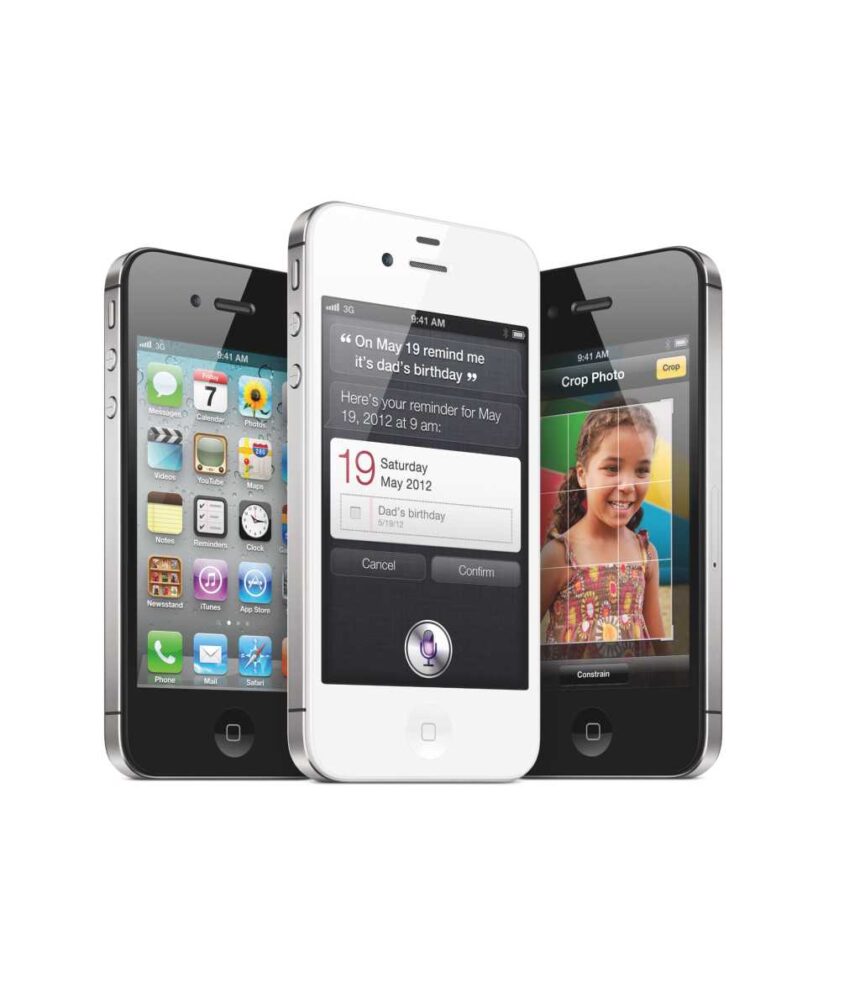
This isn’t the only older system for which Apple has stopped signing versions, but all these newly abandoned products are 12-years old, or older. Affected devices include the iPhone 4, iPhone 4S, iPhone 5, iPhone 5c, iPad 2, iPad 3, iPad 4 and the original iPad mini. In each case, if you have an iPad without a cellular modem you should still be able to reinstall OS software, but cellular devices are abandoned. They’ll continue to work; you just can’t reinstall the operating system in the event of a problem.
The specifics are telling. The cut affects iOS builds like 6.1.3, 8.4.1, 9.3.5/9.3.6 and 10.3.3/10.3.4 — versions tied to the original iPad 2, iPad mini and iPhone 5c. One of those, iOS 10.3.4, was actually a special one-off patch Apple pushed out just for the iPhone 5 to fix a GPS bug tied to the GPS week rollover, underlining just how much engineering effort Apple still throws at older devices.
Why it kind of matters at the same time
The move to cut support is unlikely to cause any significant problems, as only a tiny number of these devices will be in active use. Some developers might use old devices for compatibility testing, though, and by making this move Apple is obviously telling developers to constrain their legacy device support. It’s also a reasonable piece of housekeeping: maintaining signing servers for decade-old, security-patched builds isn’t free. (Apple frames these moves as closing off outdated software that could expose old vulnerabilities.)
Read the full article here