
It cannot be overstated how alien a concept “free-to-play” was just a few hardware generations ago. Long before we’d settled on a label for them, the only notable free-to-play games were browser-based MMOs, early MOBAs based on mods, and Korean games that had few players in the West. Free-to-play was niche in these parts, but by the late ’00s, major publishers began experiments in what free versions of their tentpole series would look like.
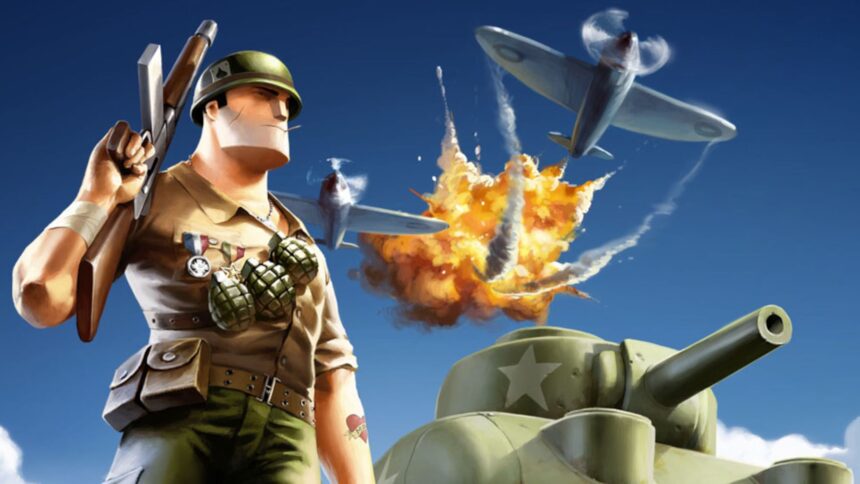
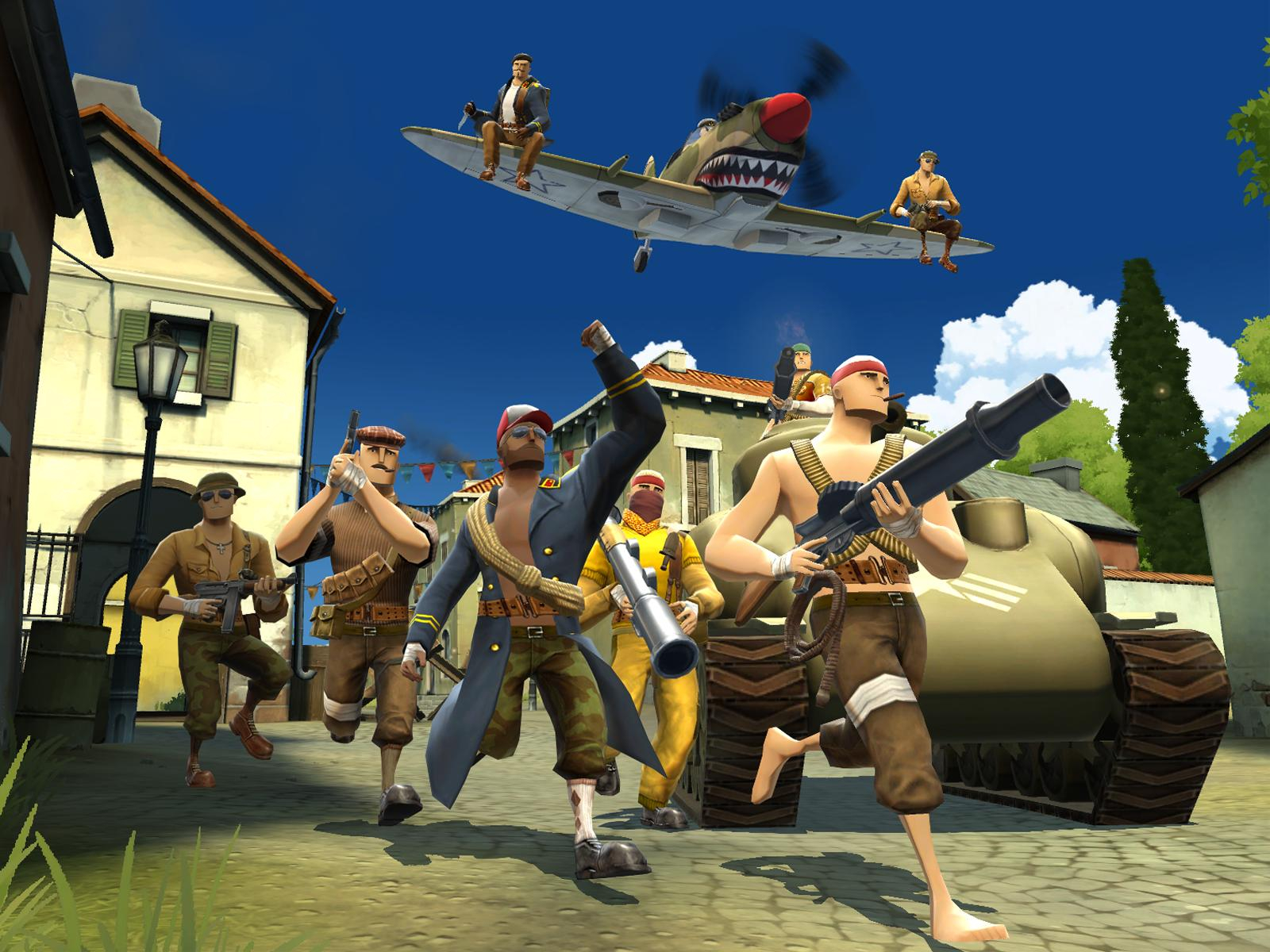
One such experiment was Battlefield Heroes. The PC-exclusive spinoff was the first time a high-profile franchise dabbled with the model, though it was controversial for reasons other than its price—its third-person camera and cartoony art were bigger hurdles for Battlefield fans at the time.
Article continues below
“This is the first time PC Gamer has ever put a free game on its cover. Thanks to the influence of piracy and the phenomenal success of some pioneering free games in Korea, we’re at a point where one of the major PC game developers feels they can charge nothing for their next game.”
From the archives
This interview was originally published in PC Gamer #199 (UK, April 2009).
You can still subscribe to PC Gamer to get new issues of the magazine (in print!) every month.
That’s right: free-to-play was once sold as a solution for piracy. It’s fascinating to see EA open up about the challenges, advantages, and expectations of a free-to-play game. Francis again:
“Heroes is a huge risk. Senior producer Ben Cousins told us that in terms of simultaneous players, it will need to be the most popular Battlefield game of all time to be profitable.”
Cousins goes on to almost perfectly describe a development approach that we’d eventually call live service, and he does so with a transparency and bluntness that’s rare today.
“The great thing is,” says Cousins, “because we can monitor people’s reactions to different features on the fly, we learn whether a feature is worth putting in or not. If we actually hit our targets in terms of how sticky and addictive and fun the game is without adding a certain feature, then we now realise we don’t need to invest time in adding it.”
Image 1 of 2
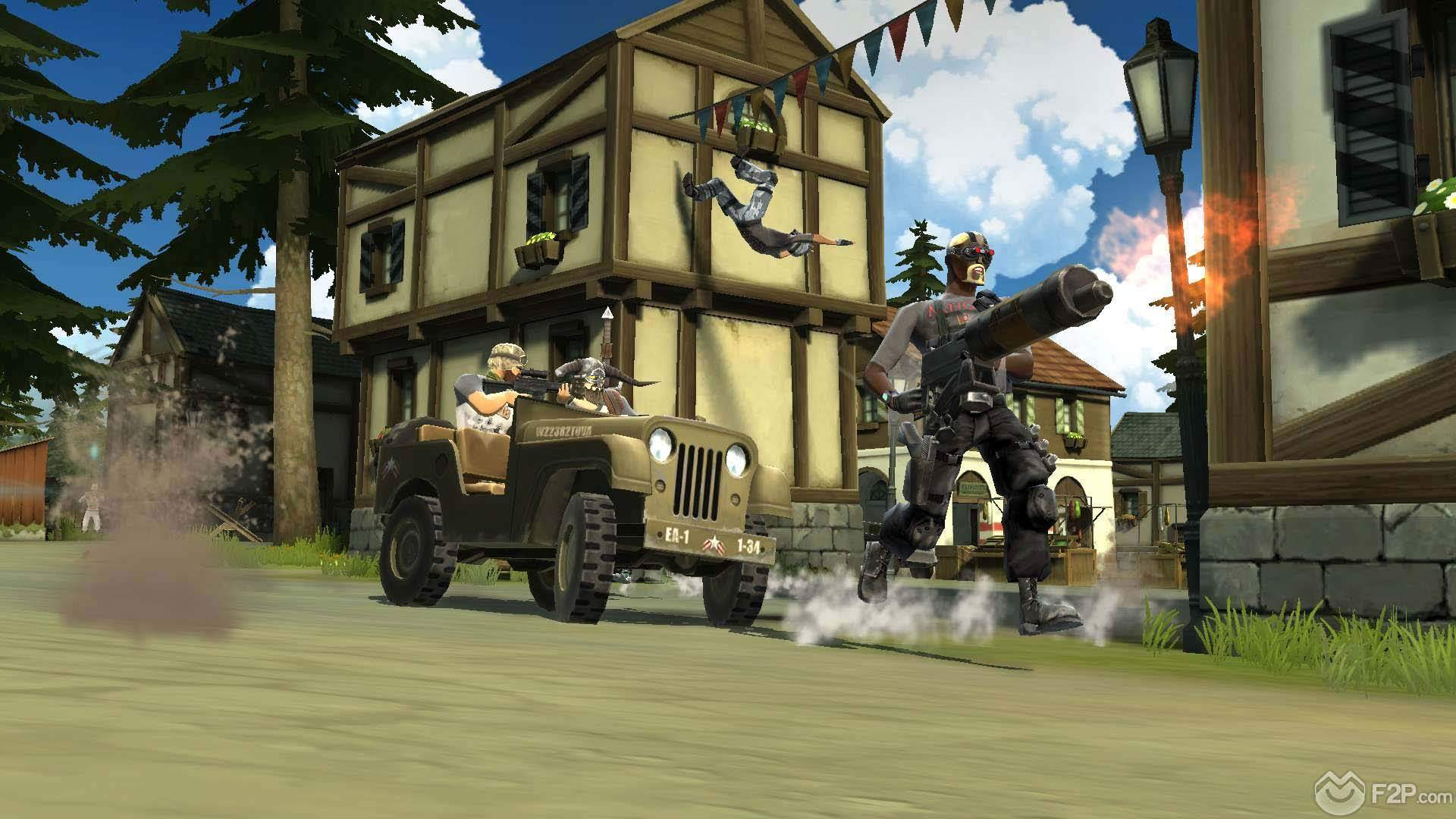
This, too, might not make much sense if you can’t remember a time before games were constantly patched and post-launch updates weren’t guaranteed. It’s now expected that player feedback steers a game’s creative direction to a degree (modern Battlefield included), but this “developing alongside players” mentality was abnormal for multiplayer shooters in 2009.
Cousins also uses the word “sticky” multiple times to describe Battlefield Heroes’ progression—a simple upgrade system for unlocking abilities and a currency for weapons earned by completing rotating challenges. Heroes had “dailies” before any other shooter I can think of, and while today there’s a growing exhaustion with currencies and grind, Cousins attributes these “sticky” systems to Heroe’s success.
Image 1 of 2
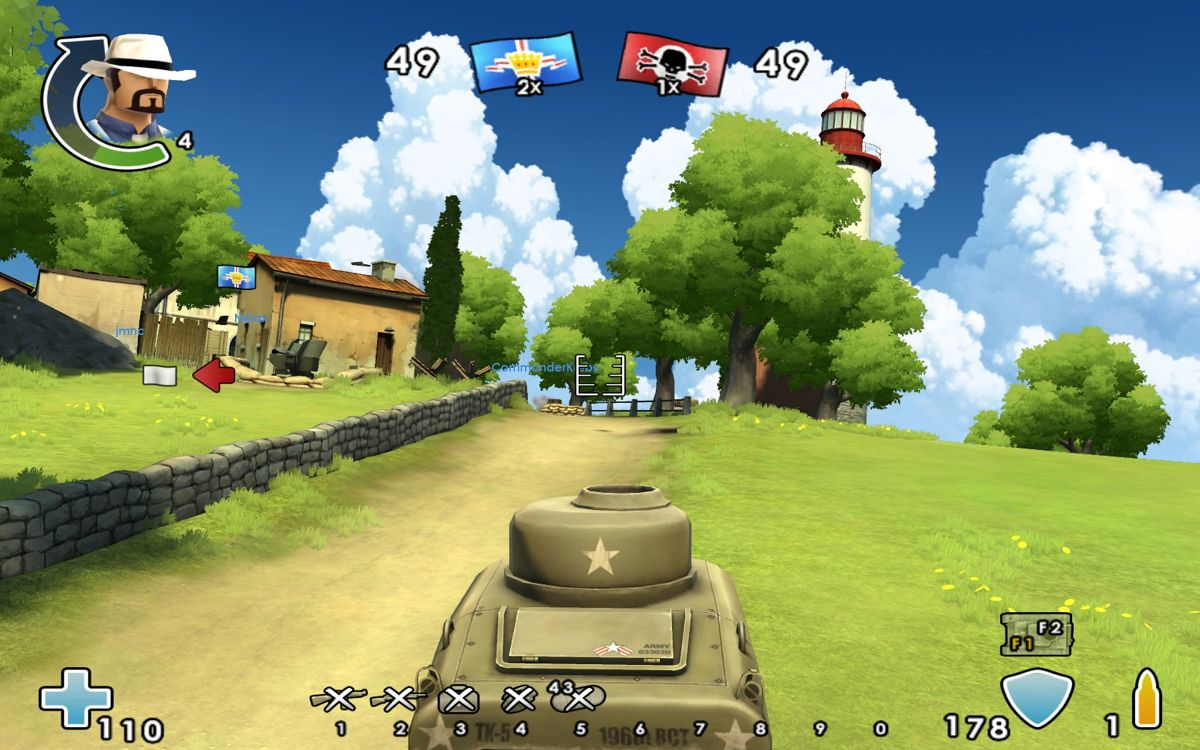
“The first closed beta launched without [progression], and the result was sobering for the DICE team. ‘Because we had none of this persistence,’ Cousins explains, ‘and we only had two maps… people’s average playing time was only a few hours.'”
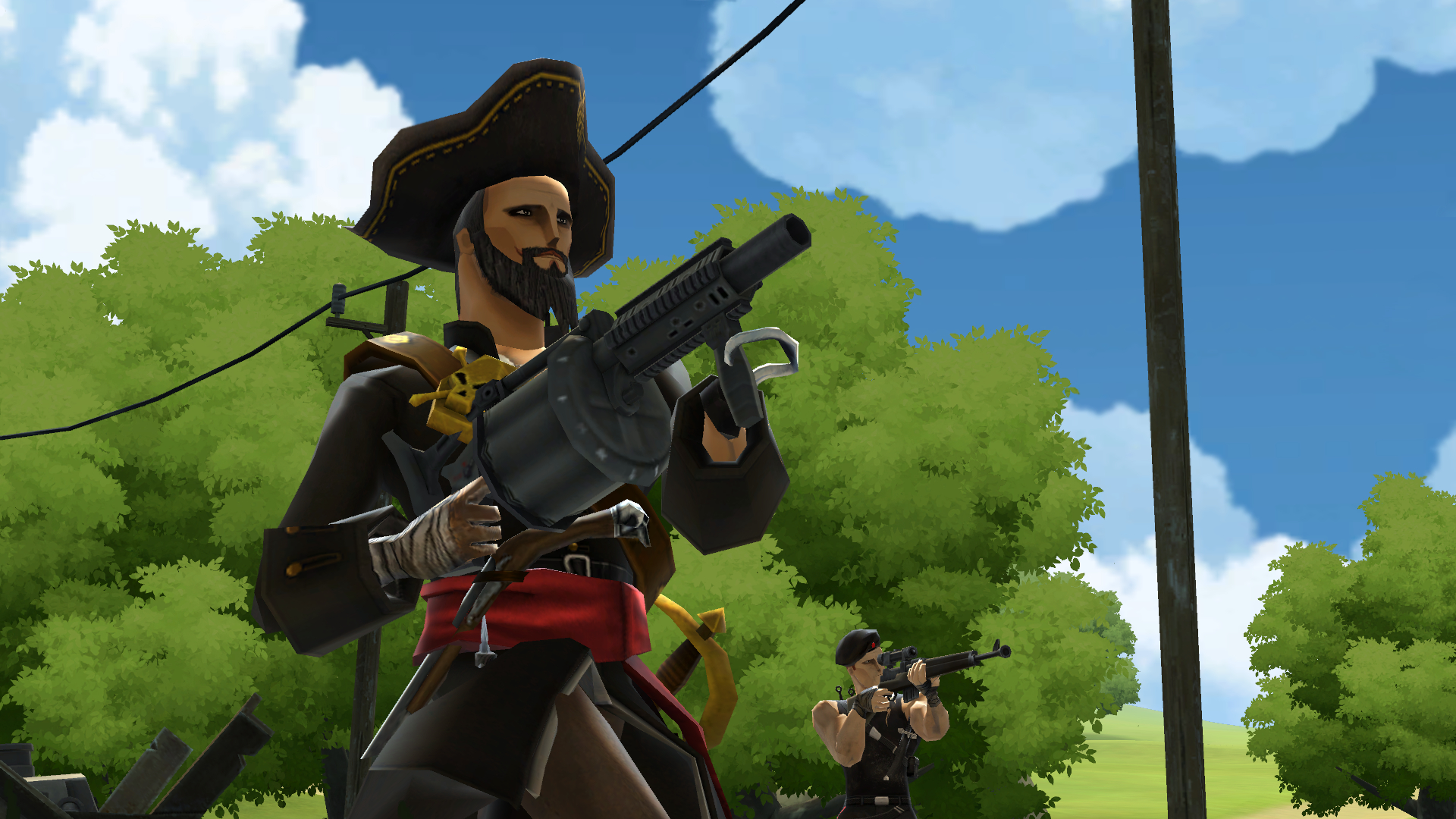
Though we couldn’t know it at the time, Battlefield Heroes also offered a grim warning about live service uglification: “The costume parts you buy for your heroes get more exotic as you level, so high-level characters often look nothing like World War 2 soldiers.”
Indeed, Battlefield Heroes became a blueprint for both dos and don’ts of free-to-play. At the time of our preview, better guns could only be purchased with currency earned by playing, but in late 2009, EA would infamously tilt the game in a pay-to-win direction.
But Cousins understood then what live service developers know now: it makes more money sense to cater to the hardcore players spending money. In a later Game Developers Conference talk titled “Paying to Win,” Cousins argued that despite the online negativity, the data backed up the decision to let players pay for better guns.
Battlefield Heroes would go on to have a six-year run. EA quietly shut it down in 2015, alongside a handful of other free-to-play games, in a sort of purge that’s become tragically routine in 2026.
Read the full article here