

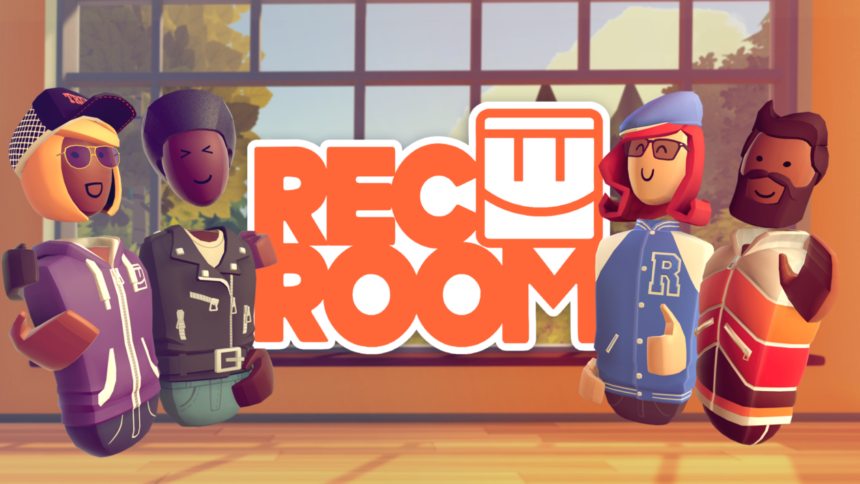
It’s the last day of school for Rec Room, and there’s no next year.
The social gaming platform, set on a virtual college campus where 150 million players built worlds and friendships over the past decade, shuts down at noon Pacific today.
The Seattle startup, founded in 2016 by former Microsoft engineers, raised $294 million and hit a $3.5 billion valuation at its peak in 2021. But the company couldn’t figure out the economics. Rec Room announced in March that it would close due to its inability to turn a profit.
Rec Room’s problems, as described in the past by former CEO Nick Fajt, included thin margins on user-generated content — the games and items made by players themselves, which were central to the platform. Rec Room kept only about 30 cents of every dollar from that player-made content, after paying app store fees and the creators, compared with about 70 cents on the dollar from first-party content that the company made itself.
Following the announcement, a small internal team built tools that let players export their room data and avatars in standard file formats, to preserve the creative work they’d put in.
The idea was to make Rec Room an example of “an ending done right,” wrote Tyler Wolf Leonhardt, principal tech lead for user-generated content, in a post about the work.
“Our players put their heart and soul into the product. They took ideas which only lived in their heads and brought them to life,” Leonhardt wrote in the post. “How could we make those creations live on in a way that made our players proud?”
Rec Room’s users, meanwhile, leaned into the school theme one last time. On fan-made sites, players have been uploading the “report cards” the platform issued them (summarizing stats like the friends they made and rooms they visited) so they can sign them like yearbooks.
The shutdown comes amid a broader shift away from social virtual reality. Meta has been retreating from the VR version of its Horizon Worlds experience in favor of a mobile version, as the Facebook parent company pivots toward AI and smart glasses.
An alternative platform, VRChat, has been pitching itself as a new home for displaced Rec Room players. Launched in 2014, it’s a social VR platform where people interact via customizable avatars in user-built worlds, similar in some ways to the Rec Room experience.
VRChat co-founders Graham Gaylor and Jesse Joudrey wrote in a post after Rec Room’s announcement that VRChat “is not going anywhere,” citing record traffic and a growing creator economy. VRChat has experienced its own challenges, acknowledging issues with predatory behavior on the platform, and announcing a series of safeguards to address the issue.
Some of the Rec Room team has landed elsewhere. After the shutdown announcement, Snap acquired select assets from the company, bringing some employees into the Snapchat parent’s hardware group to work on its Specs augmented reality glasses.
Fajt, the Rec Room co-founder and former CEO, now lists himself on LinkedIn as a director of product management at Snap.
For others, the goodbye doubles as a job hunt. A site called Rec Room Grads lists former employees looking for new roles, including engineers, moderators, and trust-and-safety staff. It also lists others who have already landed jobs elsewhere across the industry.
On the Rec Room subreddit, players are spending the final hours saying goodbye.
One person who logged back in for the first time in years, only to discover they couldn’t recover their old account, wrote that the memories of “playing VR with your homies just make me want to cry my eyes out.” Some posted countdowns and asked exactly when noon Pacific would hit in their time zones, planning to gather in the virtual Rec Center one last time.
A parent unfamiliar with Rec Room asked the community for tips for an autistic son distraught over its closure and unsure how he’ll stay in touch with the friends he made there.
Among the advice: save his photos before noon, exchange Discord handles to keep the friendships alive, and look into the fan-run servers: unofficial projects, recommended by other players, that aim to keep versions of Rec Room playable after the shutdown.
Others weren’t ready to let go. “I pray to whatever gods exist that this isn’t my very last time logging off,” one Rec Room user wrote, describing a final party in the Rec Center: emptying their virtual food, exchanging gifts, and taking one last group photo before the end.
Read the full article here