
Helion Energy, a startup racing to commercialize fusion power, announced $465 million in new funding Thursday, bringing its total capital raised to more than $1.5 billion. The Everett, Wash.-based company said it is now valued at $15.5 billion.
The company aims to be the first in the world to commercialize fusion, replicating the reactions that power the sun and stars to produce nearly limitless clean energy. In a statement, Helion co-founder and CEO David Kirtley said his company is best positioned to generate electricity from fusion this decade.
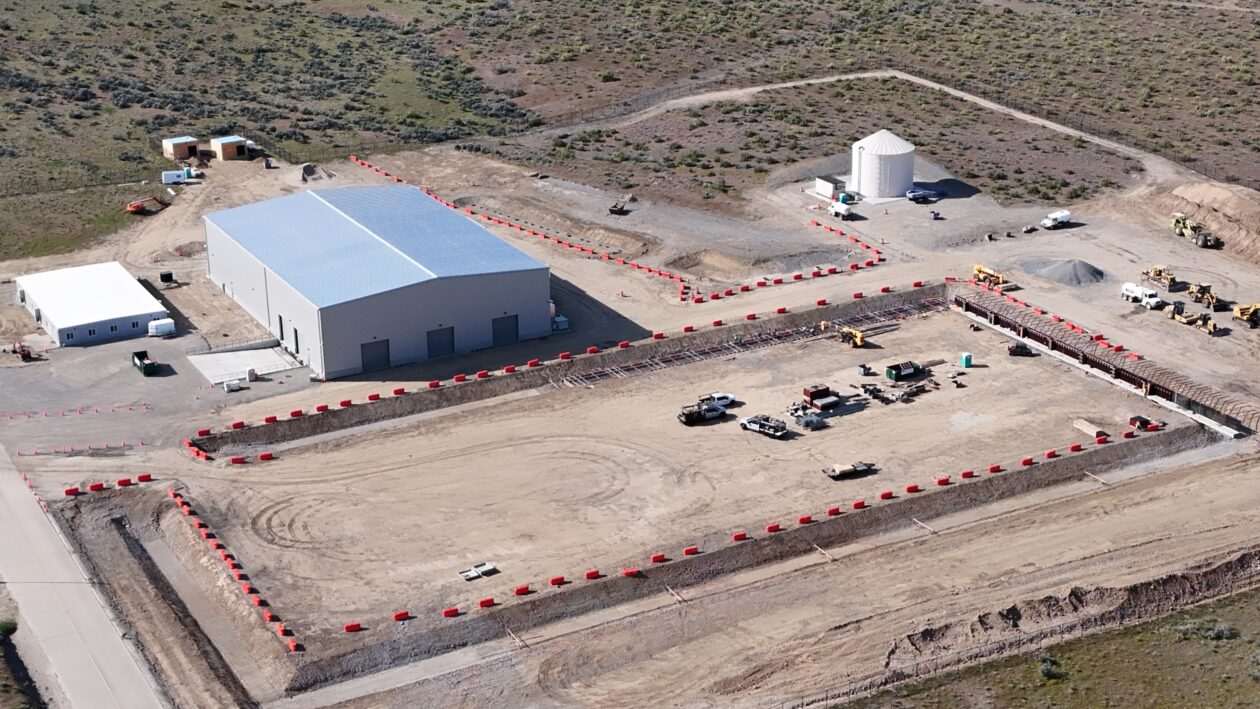
Helion is operating under the sector’s most ambitious timeline, signing a deal with Microsoft to supply energy to a Central Washington data center by 2028. The company broke ground on the 50-megawatt plant, dubbed Orion, last July in Malaga, Wash.
Many experts say significant hurdles remain before any company achieves commercial fusion power. Helion’s critics also raise concerns about the startup’s secrecy and limited scientific publications, making it difficult for independent researchers to evaluate its approach.
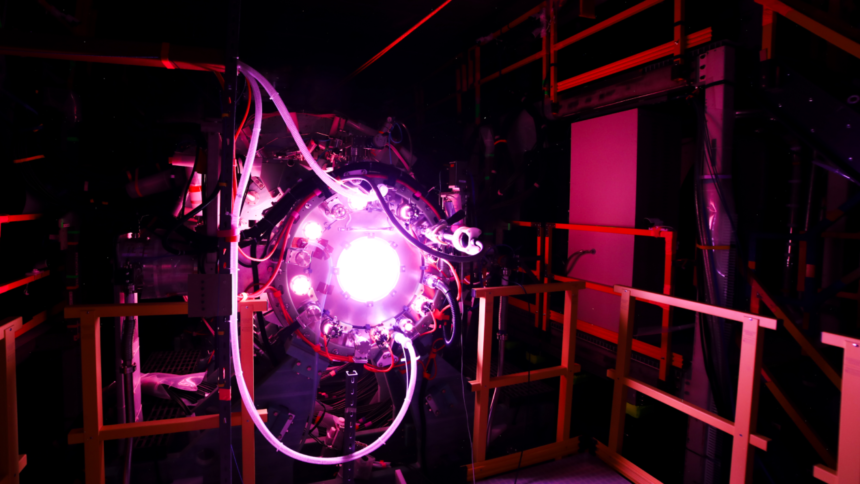
Helion’s leaders acknowledge that key technical issues still need to be resolved in the final designs for its fusion plant. The company is running tests in Everett on Polaris, its 60-foot-long, seventh-generation fusion device, and recently revealed it is building another machine called Tiny Merge, which is roughly one-eighth the size of Polaris.
“With this agile testbed, we will be able to test new ideas with much less energy and far fewer resource requirements, meaning we can iterate faster than we can on full-scale machines such as Polaris,” Michael Hua, Helion’s senior director of radiation safety and nuclear science, recently told GeekWire.
Commonwealth Fusion Systems is also vying to be the first to harness fusion, targeting the early 2030s. The Massachusetts-based company has raised close to $3 billion. On Wednesday, the company announced that five peer-reviewed scientific papers have validated the physics for its approach to fusion energy.
Helion’s Series G round was led by Thrive Capital, with participation from additional new investors including Alta Park Capital, Anti Fund, BoxGroup, Lux Capital, Peak XV Partners and Ford Motor Company Executive Chairman Bill Ford.
Existing backers also participated, including Capricorn Technology Impact Funds, Lightspeed Venture Partners, Mithril Capital, Dustin Moskovitz through Good Ventures Foundation, SoftBank Vision Fund 2 and a university endowment fund.
It marks the largest venture capital funding in the Pacific Northwest so far this year, according to GeekWire’s funding list. (Sedron Technologies, a wastewater treatment startup, raised $500 million in private equity buyout in April).
Helion sits in the No. 1 spot on the GeekWire 200, a ranking of Pacific Northwest startups.
OpenAI CEO Sam Altman is a major investor in Helion and disclosed during the recent Musk v. Altman trial that he owns roughly one-third of the company. OpenAI reportedly explored a power purchase deal with Helion, though Altman said he was not part of those conversations. He resigned from Helion’s board in March.
Read the full article here