
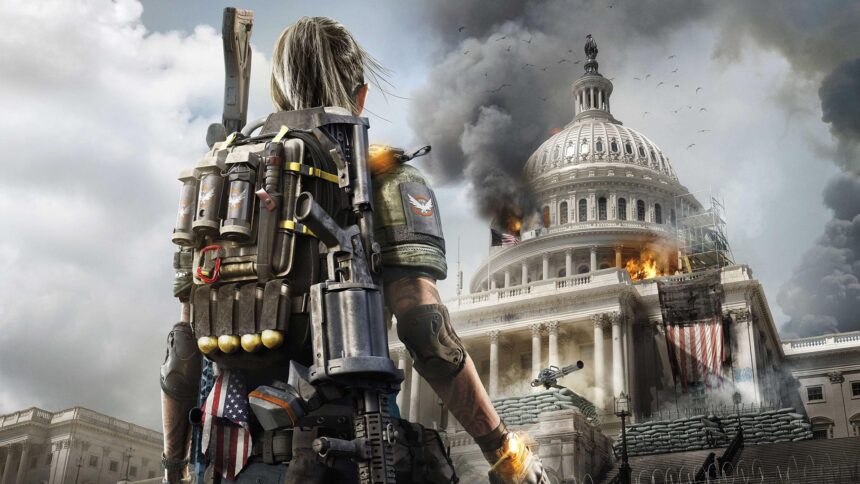
Tom Clancy’s The Division, to give it its full name, has a lot more staying power than anyone would have originally credited it with. The gloomy post-apocalyptic shooter spawned a sequel, a mobile spin-off, a third game is still in development, and there’s even a movie in the works—though the latter has been in limbo for years.
And now the pandemic-themed live service romp is being adapted for our tables in the form of Tom Clancy’s The Division: The Official Tabletop Roleplaying Game.
I found both main entries to be serviceable shooters with a few good ideas slightly elevating them above the deluge of live service games—but they’re both a bit forgettable, especially if you’re not that enthusiastic about American survivalist porn. Which I’m not.

I was wrong, though, because the TTRPG has absolutely demolished its—admittedly humble—pledge target of $58,206/£43,394. With 15 days to go, it’s already at $383,572/£285,960. That’s from just shy of 1,500 backers. Which, granted, isn’t a vast number when you compare it to the most popular tabletop Kickstarters, but combined with the amount pledged this does put it comfortably within the platform’s current top 10 for tabletop campaigns.
“Beyond the firefights, Agents must navigate fragile communities, deal with desperate survivors, and make hard choices to help rebuild a shattered society,” the Kickstarter pitch reads. “This is where the roleplaying experience truly comes to life—every decision matters, not just how you fight, but who you trust, protect, or abandon.
“While the Diplomat excels in forging alliances and defusing tensions, and the Technician helps restore critical infrastructure—from clean water systems to improvised power sources—every Agent can influence the world around them, shaping relationships, securing resources and changing the fate of those they encounter.”
Yes to all of this! While The Division’s world never felt particularly scintillating, it absolutely still held promise. With the breakdown of society and all the infrastructure that once propped it up, it leaves lots of space for heroics and pragmatic decision making—but the games never seemed interested in delving into that, at least not in a meaningful way that gave players any sense of agency.
Read the full article here