
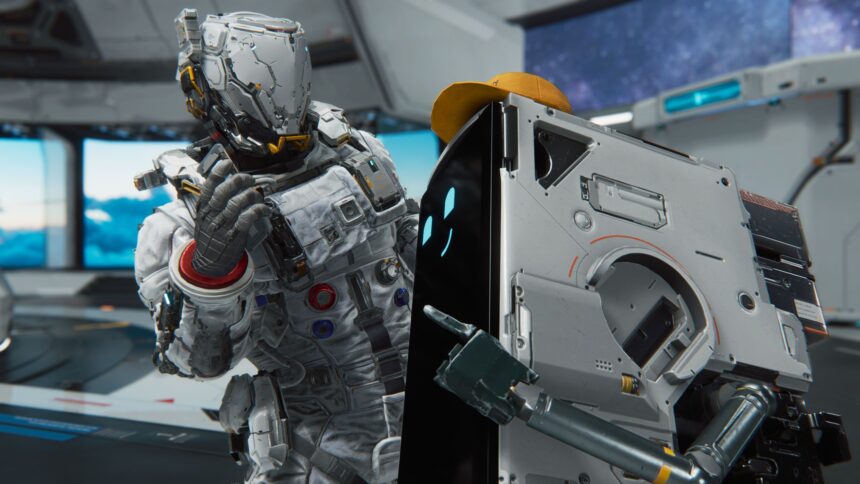
Pragmata’s a weird game. It feels both like a game from two decades ago and like it’s breaking new ground at the same time. Case in point, its level design tends to be very linear, especially early on, but then there’s a variety of activities that give you heaps of overly complicated currencies. It also borrows elements from an odd array of genres and awkwardly smashes them together.
Rory Norris
I’ve spent way too much time checking every nook and cranny to find collectibles, and banged my head against walls completing Cabin challenges so that you don’t have to. Well, so that you can do it far easier and quicker using my learnings, at least.
Beginning with the basics of combat and mission structure, I’ll outline and explain every major system in Pragmata to help you wrap your head around it all. Bookmark this page or throw it up on a second monitor while you play along.
The basics
Combat
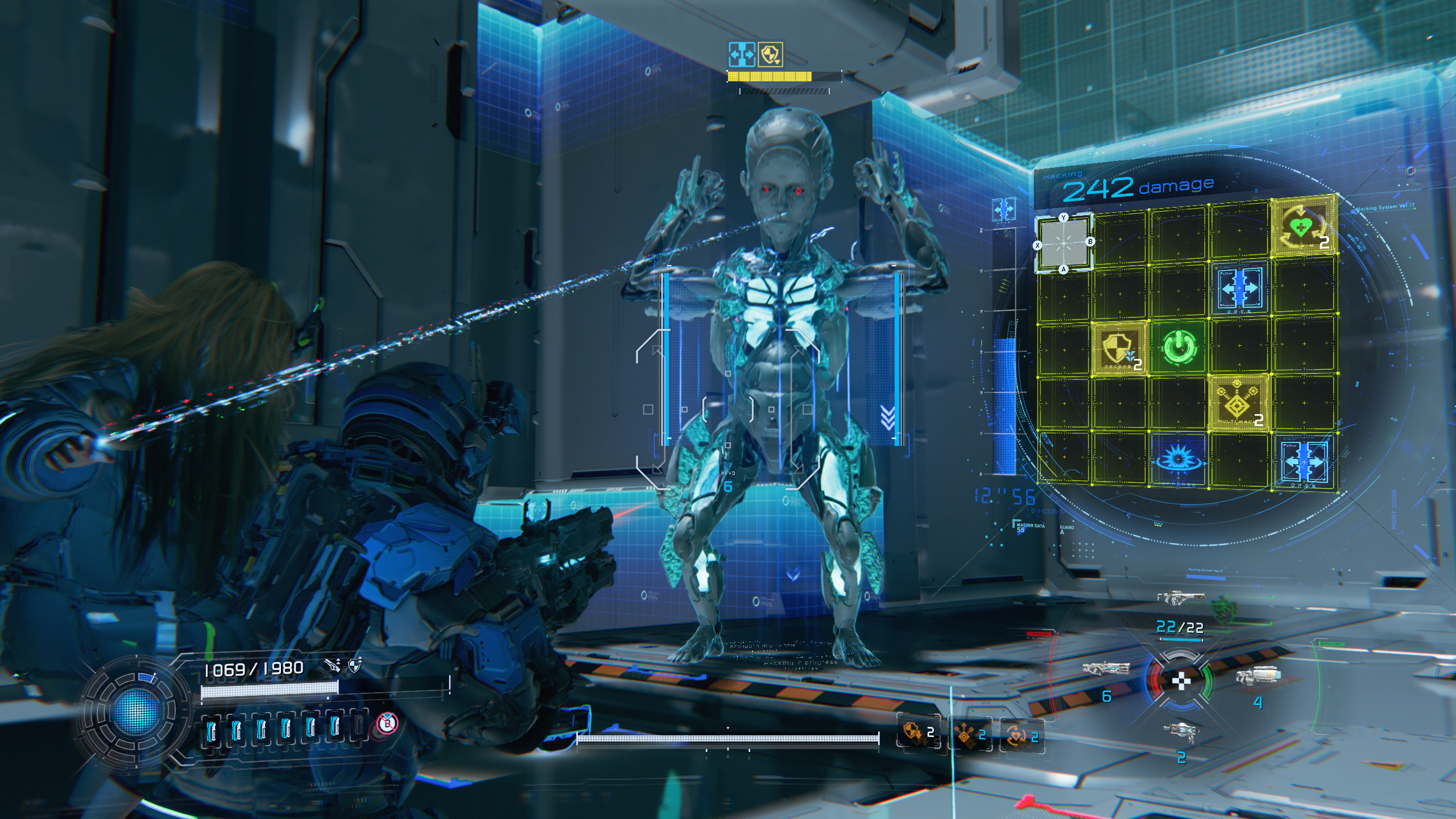
Pragmata is a third-person shooter where your guns don’t really do much damage. It surprised me how weak my supposedly high-tech weapons felt. That’s because you’re supposed to hack enemies using AI companion Diana’s powers to increase your damage. Look at an enemy and hold the aim button to bring up a grid on the right side of your screen. Interact with this grid by holding Alt and moving your mouse, or using the face buttons on a controller.
Your goal is to create a path to the green tile, though there are other tiles that can appear with different effects:
Article continues below
- Blue: Create a path through these tiles before hitting the green tile to increase the power of your hack. You’ll want to activate as many of these blue tiles as possible every time you hack an enemy.
- Later on, you’ll discover there are different types of blue tiles. Blue arrows extend OPEN duration, while blue explosive ones increase hack damage, for example.
- White triangles: These ‘warning signs’ are obstacles you’ve got to navigate around.
- Yellow: These are your hack module consumables, like Decode or Multihack. Passing through these before hitting the green tile will consume one of their charges but either buff you or debuff enemies. Passing through multiple of the same hack module will increase the duration of the effect.
- Purple: Passing through these titles will enable you to perform a Critical Shot for massive damage.
- Red warning signs: These titles damage you and disrupt your hack if you pass through them.
- Static: Some tiles can be covered in a digital static pattern, which will slow your hack down and reduce Diana’s Overdrive charge. You need to use the Cleanse ability on the enemy to remove the dead filament corrupting them.
Hacking an enemy massively increases your damage against them for a short duration (referred to as ‘OPEN’ enemies), and can even open weak spots, which is useful for bosses and other elite enemies. You’ll always want to hack an enemy before damaging them. After you beat the first main boss, you’ll also unlock Diana’s Overdrive Protocol ultimate ability charged by hacking enemies. It makes enemies OPEN, immobilises them, and deals damage.
Hacking is just as important (if not more so) during Pragmata’s boss fights to close out each chapter. Check out my guides to the Sector Guard and Luna Digger if you’re having trouble.
Weapons
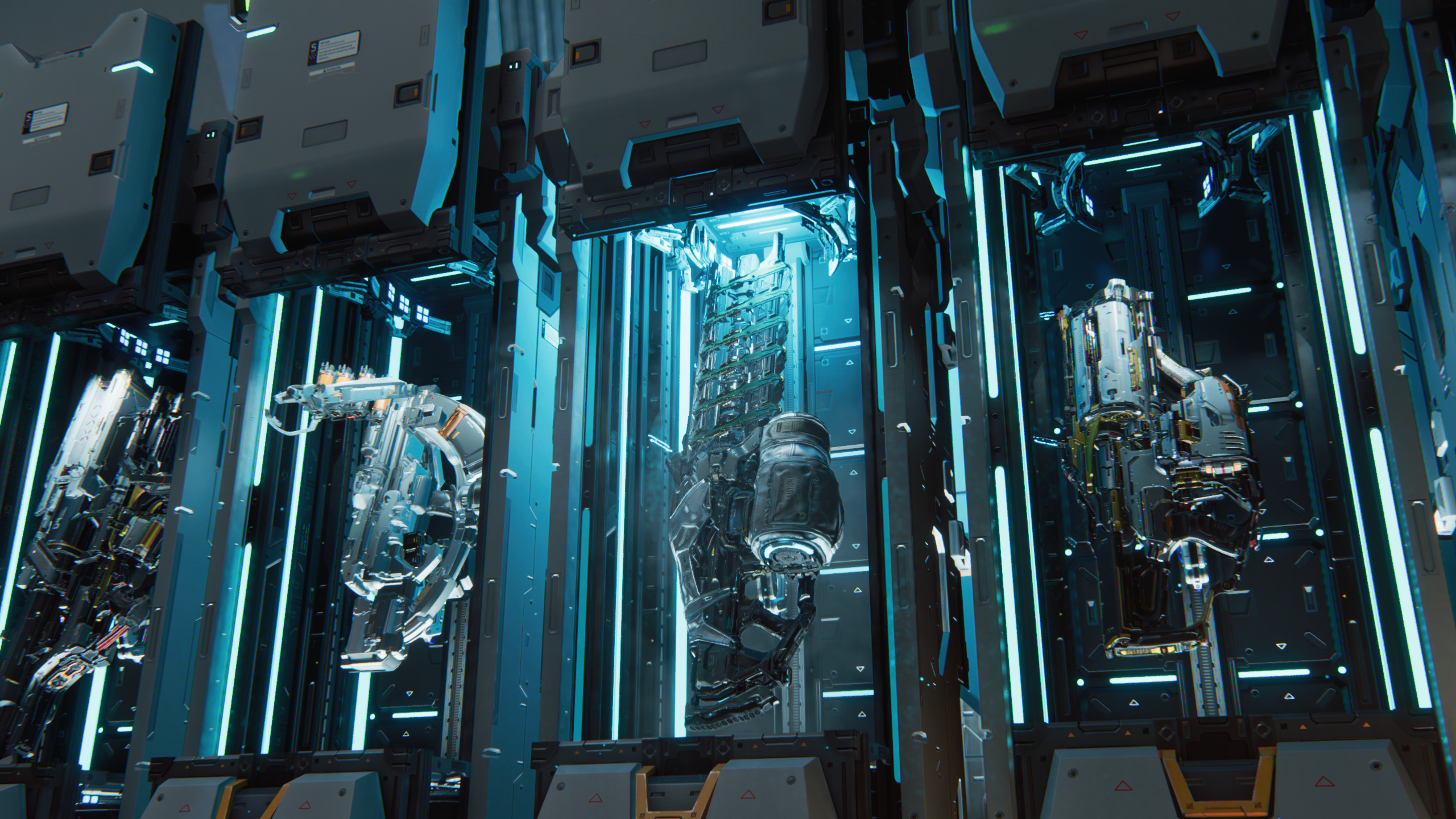
Pragmata’s weapon system is also a little awkward at first. You can carry four different guns, which are separated into four types, three of which are basically limited-use consumables:
Primary Unit (white)
This is your basic pistol (and later assault rifle). It’s nothing fancy, but it has infinite ammo and recharges when you’re not firing for a short duration.
Attack Unit (red)
Very offensive-oriented weapons, like shotguns and railguns. These deal massive damage but only have a few shots.
Tactical Unit (green)
More strategic, crowd-control type guns, such as a trap and a grenade launcher. These weapons also only have a few shots before they expire.
Defense Unit (blue)
Defensive utility, such as clones or shields.
You’ll unlock new weapons as you progress through the main story, and you’ll find replacements as battle pick-ups around combat encounters to either restock your ammo or swap guns.
As I explain in the section below, using Escape Hatch checkpoints will remove any weapon and hacking modules you’ve collected. When you leave the Shelter to return to the action, you’ll start again with your default loadout. This can be upgraded at the Unit Printer in the Shelter, and modified at the Tram Terminal before selecting a location.
For example, you can purchase weapons at the Unit Printer, like the Shockwave or Stasis Net, to make them available for your starting loadout. Keep in mind that they’ll still have limited ammo, so you’ll still need to keep an eye out for replacements.
Check out my guide to the best weapons in Pragmata to get a better idea of what to use in your loadout and what’s worth upgrading.
Healing
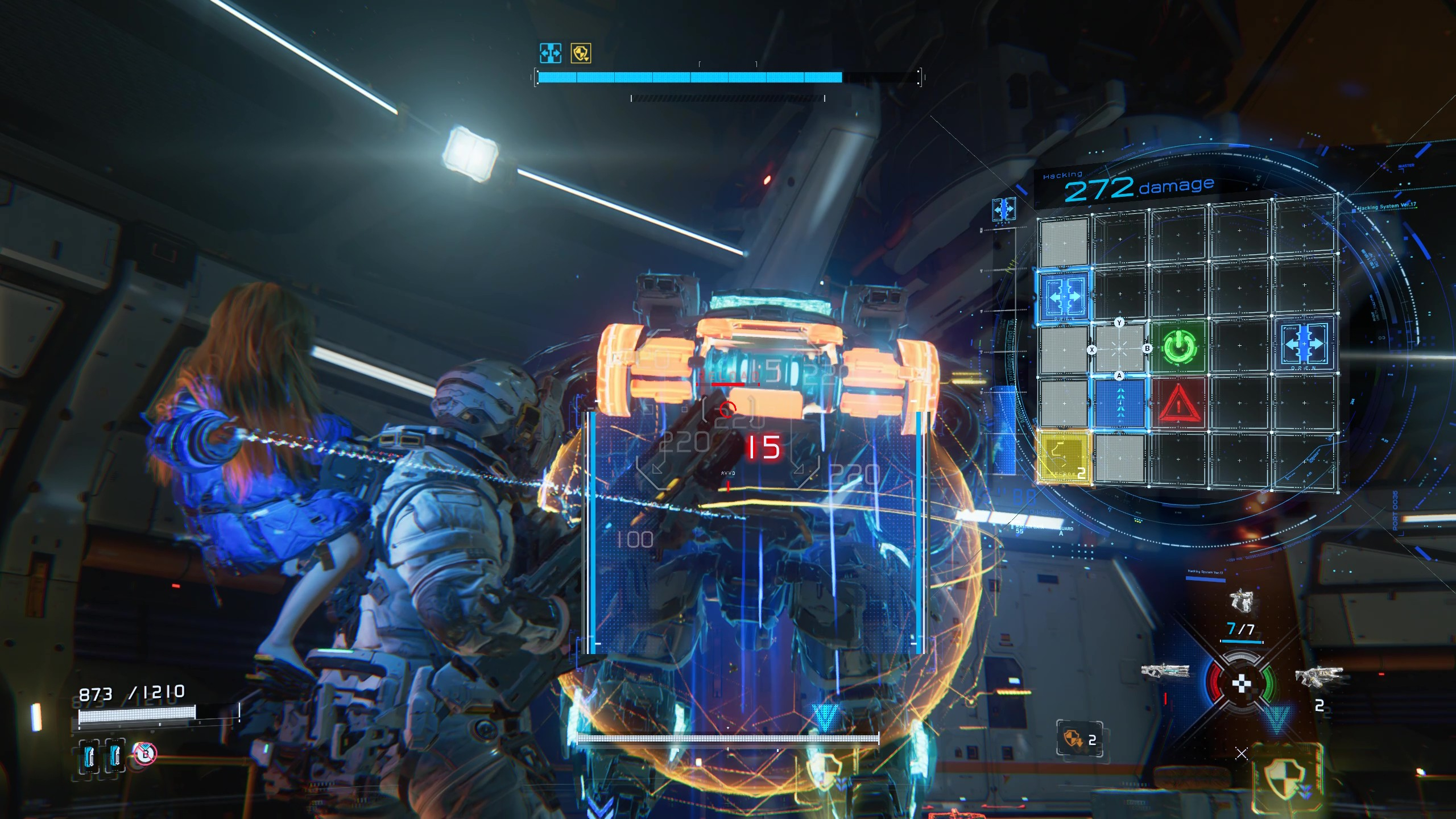
There’s no passive healing between fights in Pragmata. Instead, Hugh needs to use Repair Canisters to patch up his suit. Similar to Dark Souls games, these are limited consumable items that replenish when you return to the Cradle hub area, and increasing your Repair Cannister storage capacity is a top priority.
You can get more Repair Cannisters by interacting with red terminals hidden around the map, and you can also get one early on through the Trainee Board in the Cabin’s Stamp Club, which you’ll unlock halfway through the first area, the Solar Panel Plants.
Checkpoints
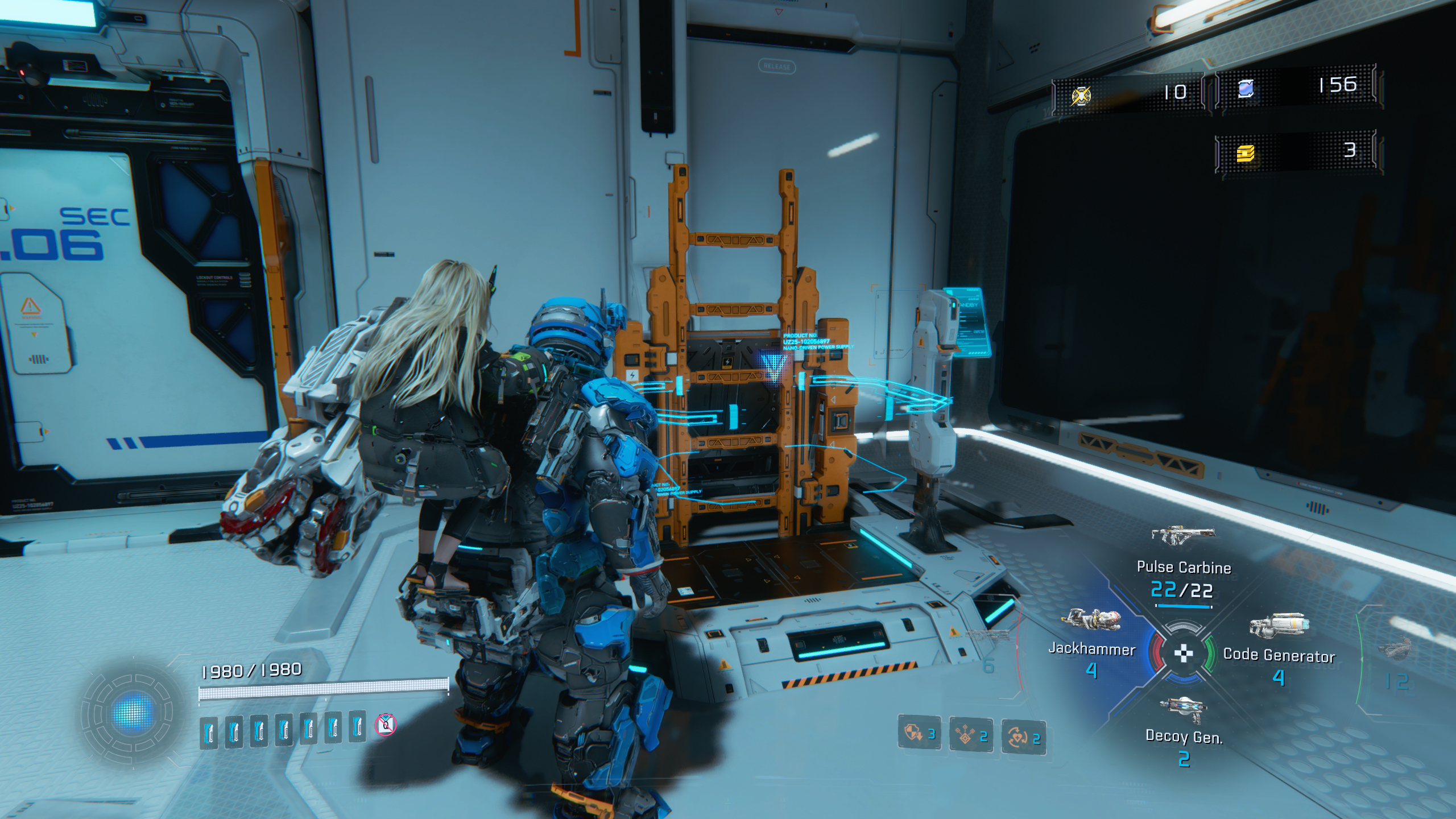
On the surface, Pragmata is a fairly standard action-adventure from days gone by; environments are very linear and mission-based. However, it attempts to borrow the whole ‘enemies respawn when resting’ mechanic from Dark Souls games, so think of Escape Hatches as checkpoints like bonfires that transport you back to the hub area (the Shelter).
It sounds like a big deal when you first come across them, but it’s really not. Unlike Dark Souls, there’s rarely an occasion where you’ll have cleared out an area, return to the Shelter, and then backtrack through that same, repopulated area.
You also don’t lose any resources when you die. When you find a Hatch you’ll see a list of everything you’ve gathered, sort of implying that you need to return to Shelter to ‘bank’ them all, but that isn’t true.
Progression
There are five main ways to increase your power in Pragmata:
- Get new weapons through the main story.
- Purchase and upgrade weapons, hacking modules, suit abilities, and suit attachments with the Unit Printer in the Shelter.
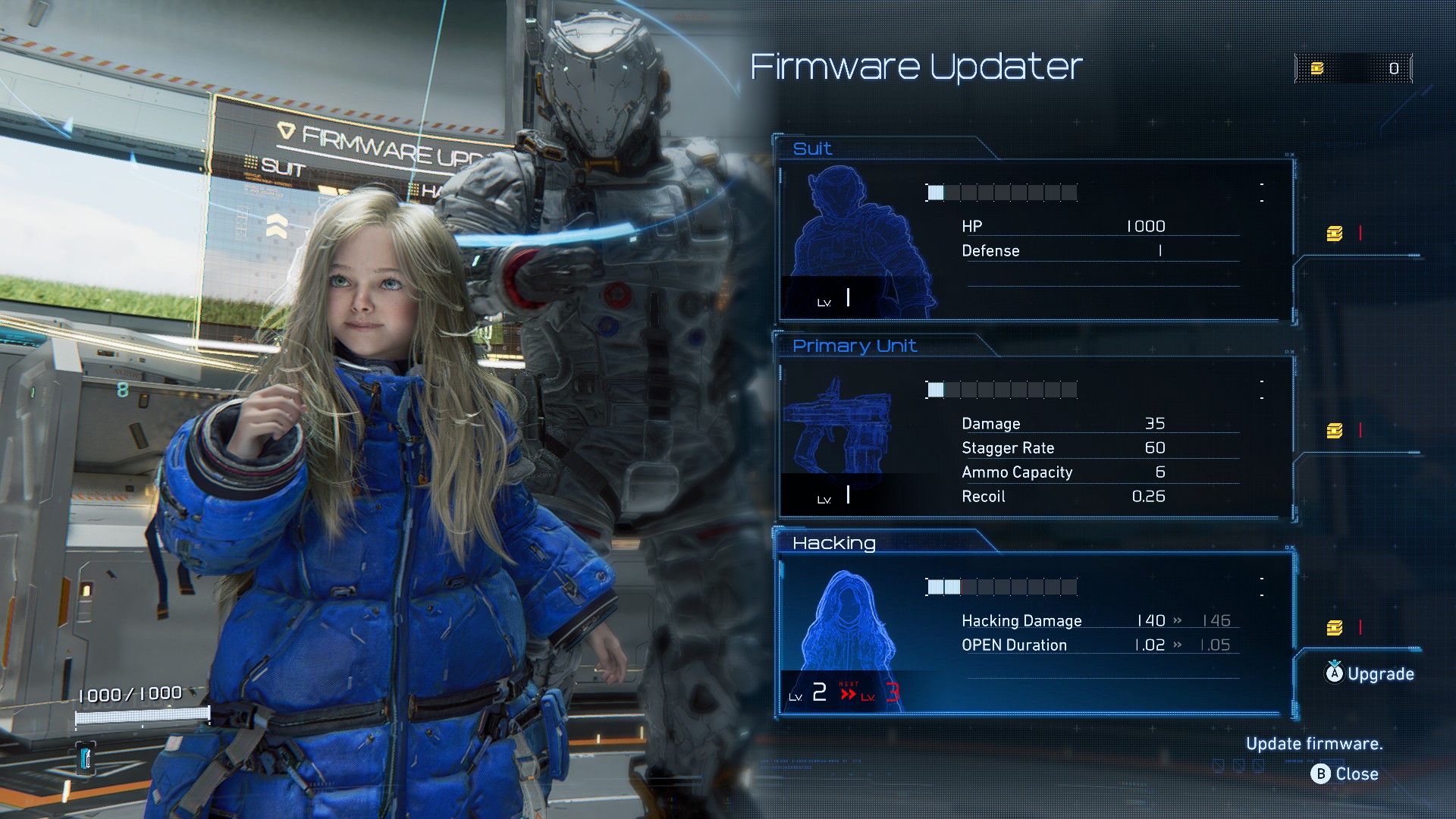
- Upgrade your suit, Primary Unit weapon, and Diana’s hacking effectiveness at the Firmware Updater in the Shelter.
- Increase your Repair Canister storage with collectibles hidden around the map (or in the Cabin’s Stamp Club).
- Unlock new equipment with the Cabin’s Stamp Club.
The Unit Printer, Firmware Updater, and Cabin’s Stamp Club all require different currencies and resources. Here are all the currencies and what they’re used for:
|
Currency |
Vendor |
Use |
|---|---|---|
|
Upgrade Components |
Firmware Updater |
Yellow data cubes found around the map, used to upgrade your core systems |
|
Lunafilament |
Unit Printer |
Blue orbs found in chests or earned by killing enemies, used to purchase upgrades |
|
Pure Lunum |
Unit Printer |
Large orbs often found as rewards for completing combat encounters like Red Zones, used to purchase specific, powerful upgrades |
|
Cabin Coins |
Cabin Stamp Club |
Earn by gifting Earth Memories to Diana or finding them in Safe Boxes, used to buy new equipment, enemy data, and outfits |
The Shelter
The Shelter is a hub area where you can manage updates, gear, collectibles, and so on. You’ll frequently return here to spend your resources or speak to Diana, especially between story chapters.
You’ll begin at Shelter Level 0, and improve it as you go, unlocking new facilities and equipment upgrades. You’ll get your first Shelter License Key upgrade after beating the first main boss, so you don’t need to worry about missing out on these.
Unit Printer
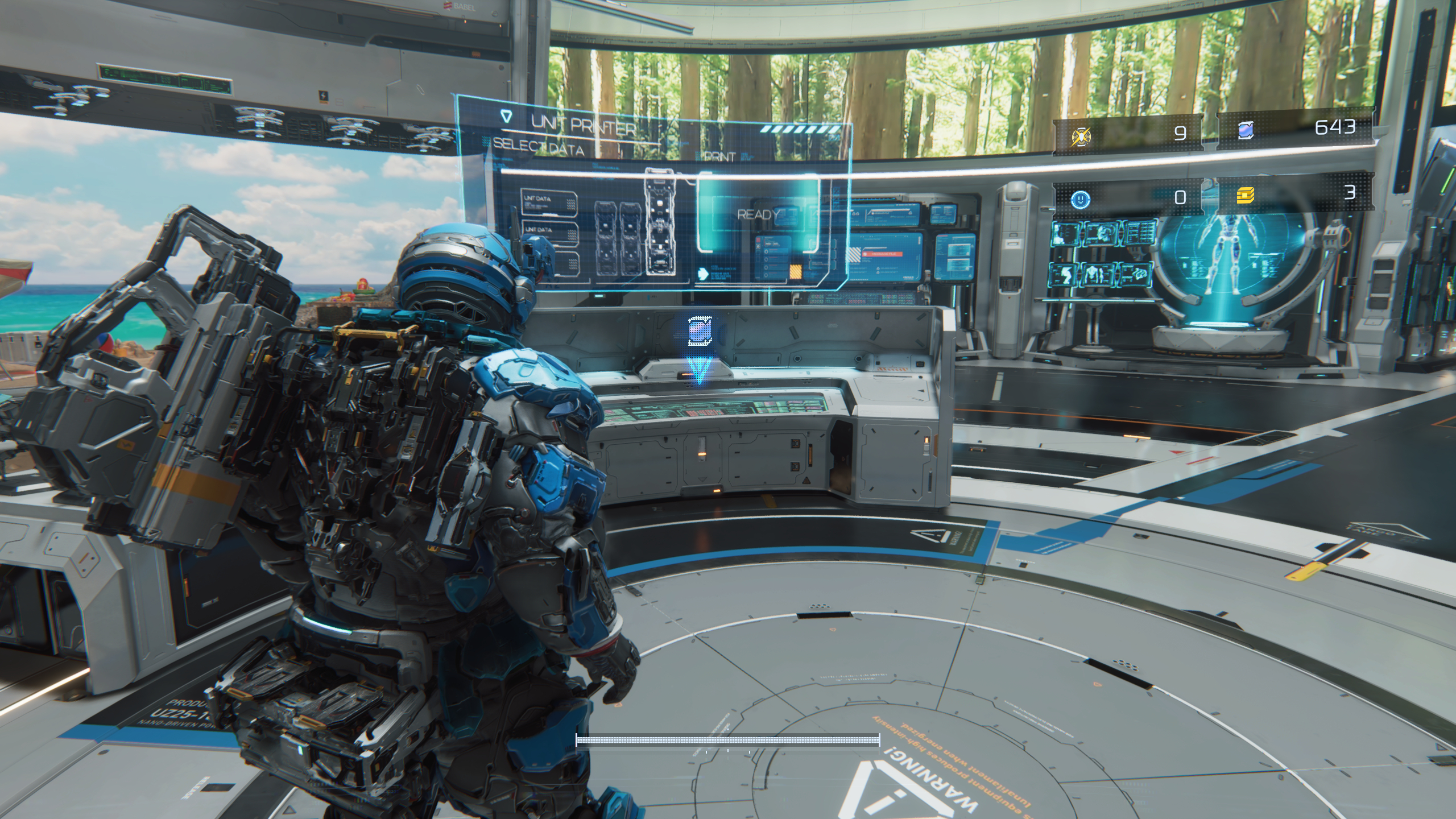
The Unit Printer in the Shelter uses various currencies to purchase new items for your starting loadout, upgrade them, or unlock new abilities.
Firmware Updater
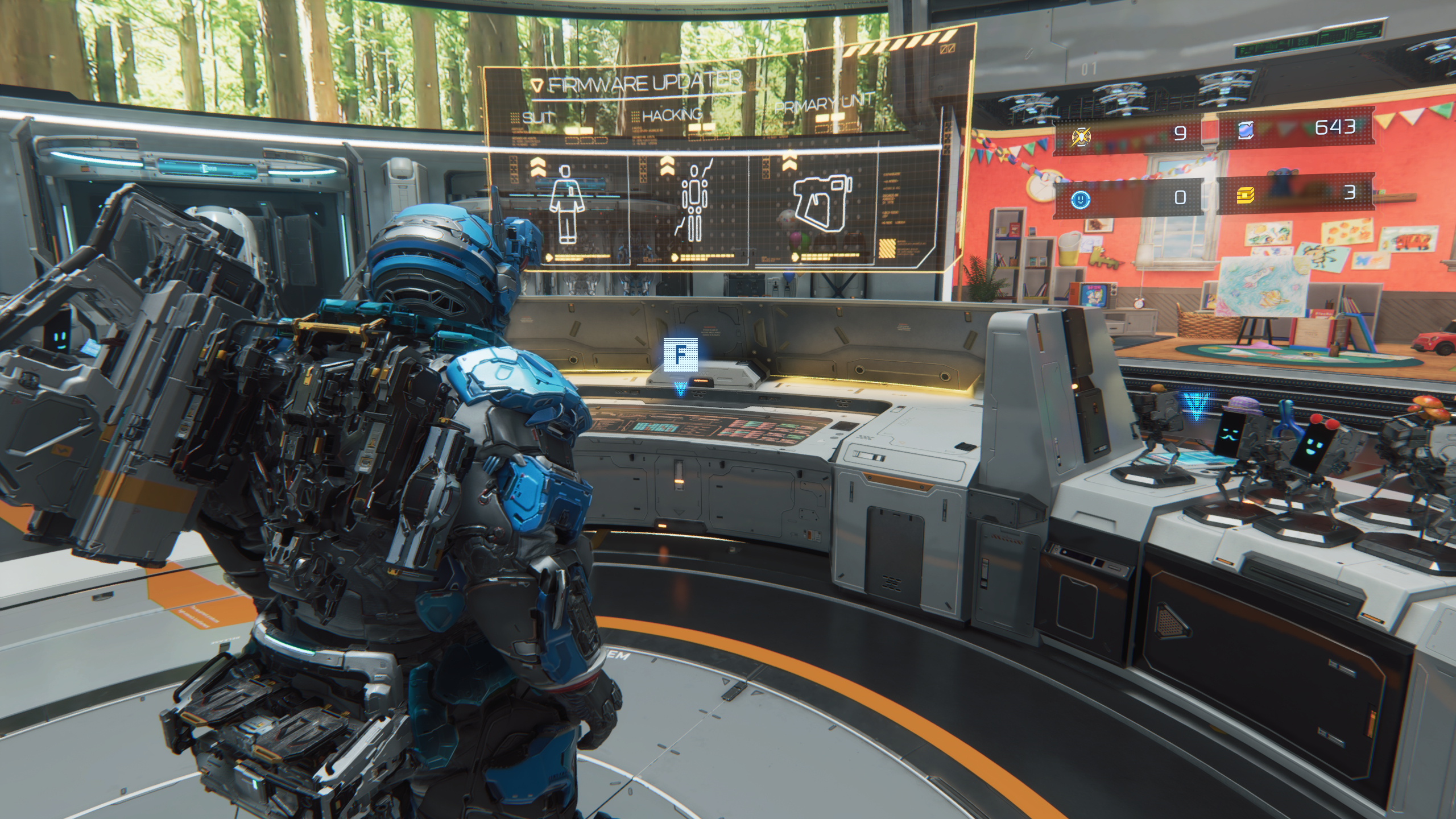
Like the Unit Printer, the Firmware Updater is also used to unlock new upgrades, only this one is much more straightforward. You will need to find Upgrade Components hidden (often not very well) around the map, which you can spend on three categories:
- Suit: Increases your health and defence.
- Primary Unit: Increases the damage, stagger, ammo capacity, and handling on your basic weapon.
- Hacking: Improves Diana’s hacking damage, OPEN duration, and Heat Gauge build-up.
REM Replicator
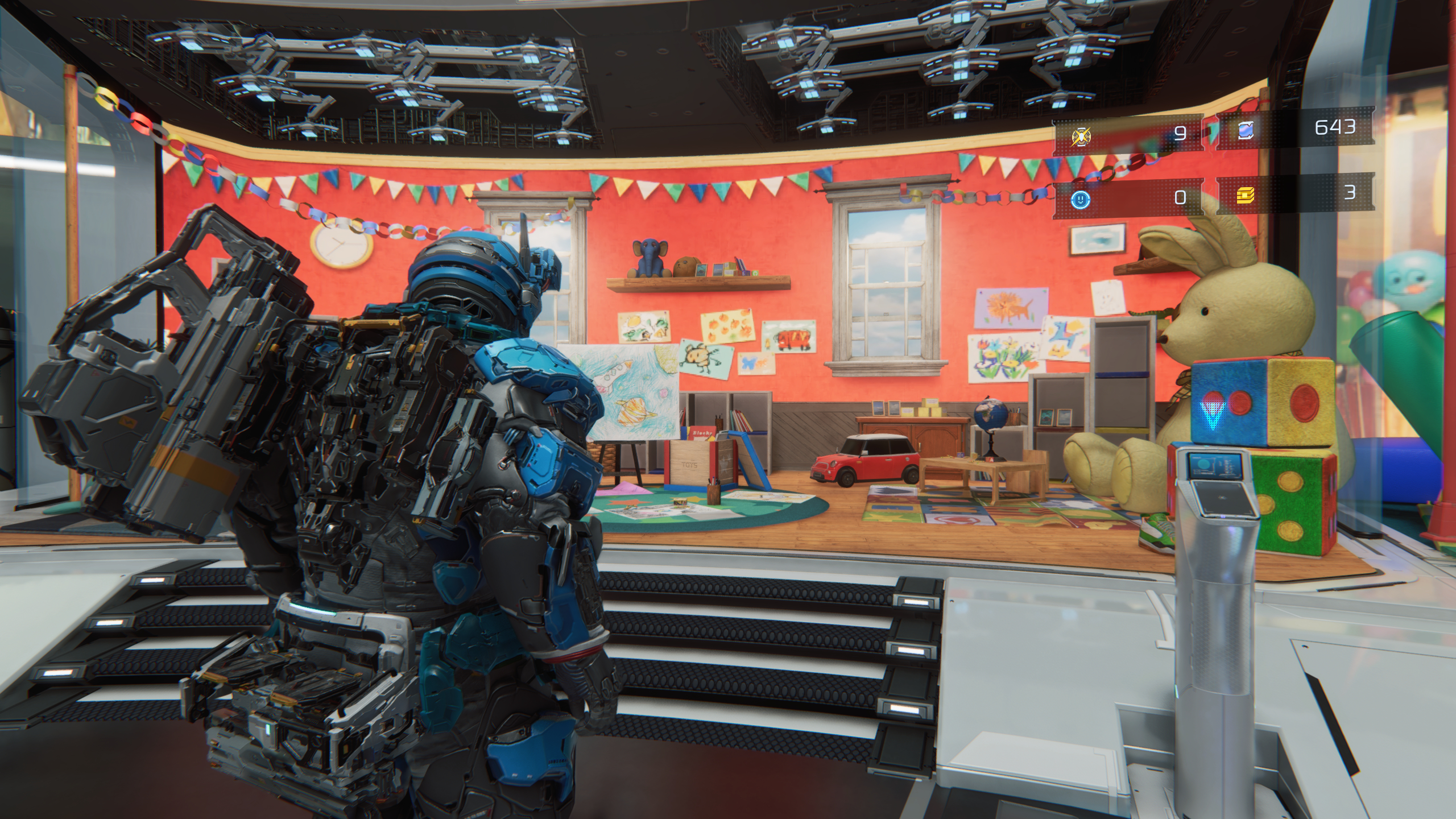
The REM Replicator is basically a 3D printer. Gift your Read Earth Memory collectibles to Diana and it will then replicate the item in the Shelter. These don’t give you any practical upgrades or anything like that, but you will learn more about Diana and earn Cabin Coins to spend on the Cabin Stamp Club bingo board.
Cabin Stamp Club
Image 1 of 2
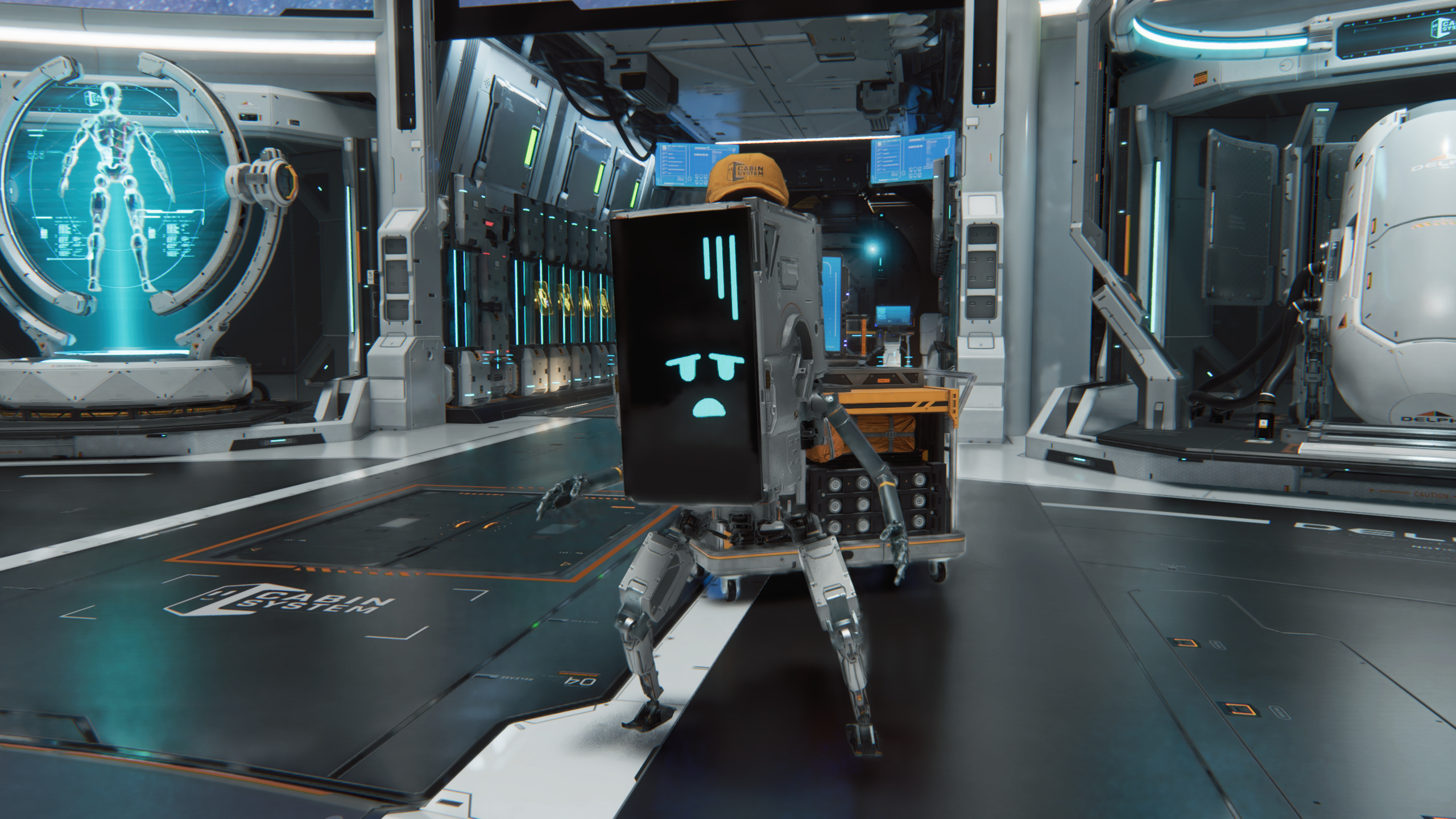
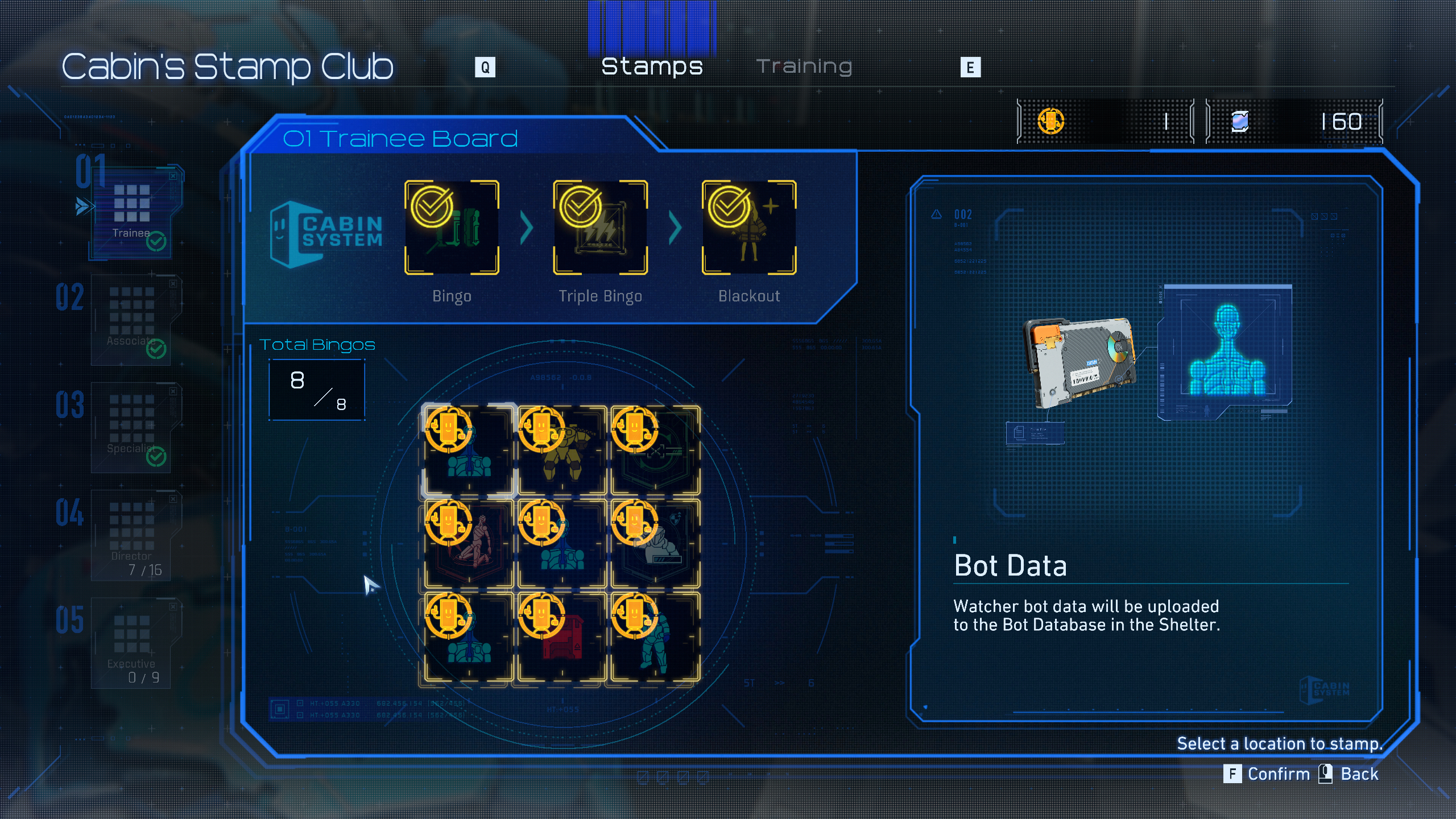
After beating the first main boss and returning to the Shelter, you’ll meet a friendly computer with legs that keeps everything running smoothly at your base. You can change the music here, but most importantly, it’s how you access the Cabin Stamp Club and Training challenges.
The Stamp Club is a bingo board where you can spend Cabin Coins on various tiles on a grid. Each one gives you an individual item, and connecting three adjacent tiles gives you a bingo. Reaching one bingo, three bingos, and purchasing every tile (a Blackout) gives you three milestone rewards.
When you first unlock this system, you’ll have access to the Trainee Board, which, among other items, rewards you with a bonus Repair Cannister, some mods, and the outfit station.
You’ll notice that some of the tiles are red, blocked by a padlock. To access these tiles, you need to complete a specific Red Zone—hovering over the tiles will tell you which one, and the quickest way to reach it.
The Cabin robot also manages all the Training missions, which are challenges that reward you with various upgrade materials and Cabin Coins depending on your performance. You’ll need to find Training Data throughout the later missions to unlock additional Training challenges, though they’re quite hard to miss.
Tram Terminal
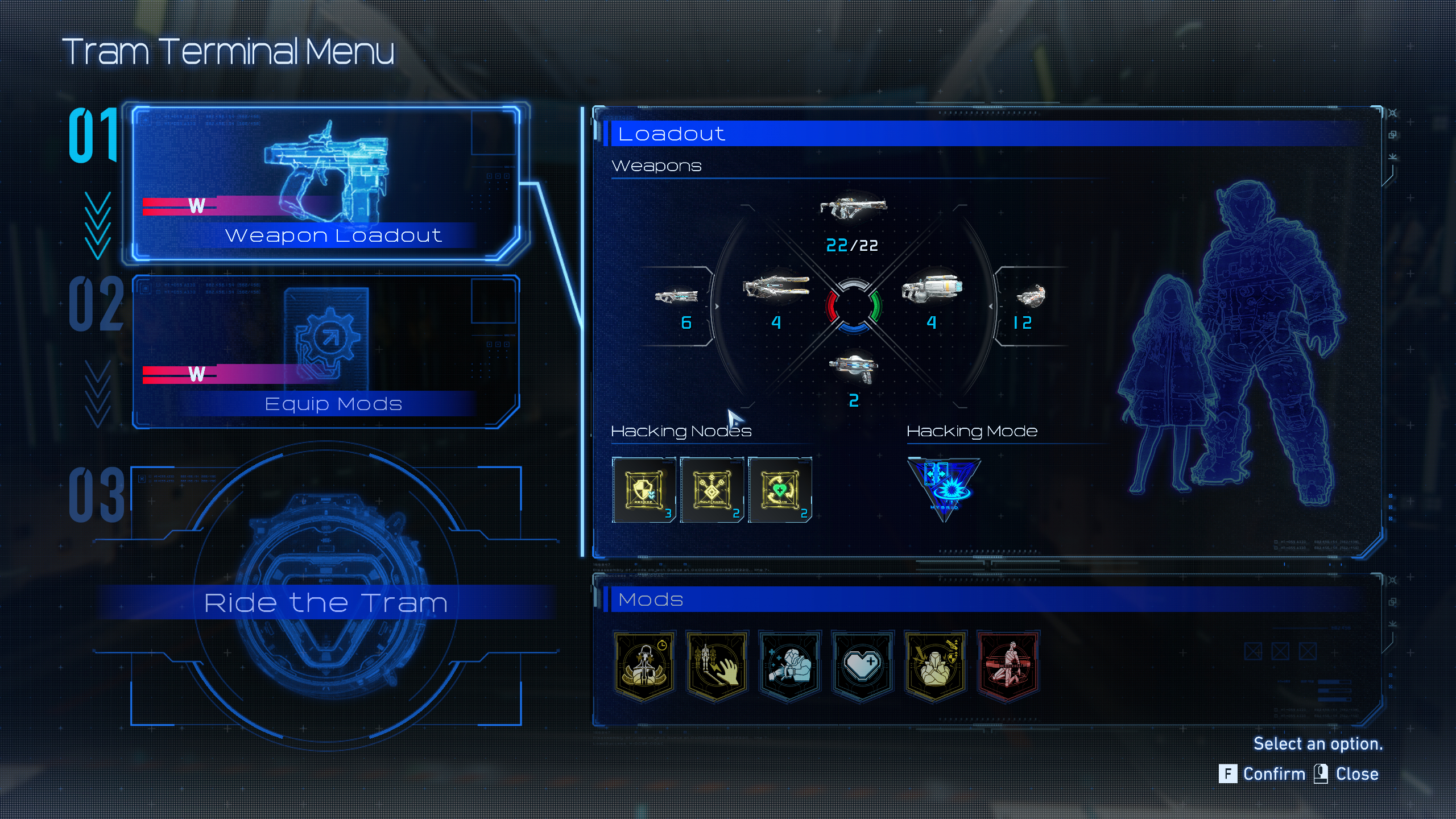
You’ll head here to return to the action. When you interact with the terminal, you can customise your weapon loadout and mods, and then select your destination. You’ll be able to pick the starting location for each zone, as well as any Escape Hatches you’ve activated. You can also check your overall collectible and activity completion for each region.
Activities and collectibles
While Pragmata’s environments tend to be very linear, there’s still a variety of activities and collectibles peppered throughout for you to complete. They’re all but necessary to upgrade Hugh and Diana.
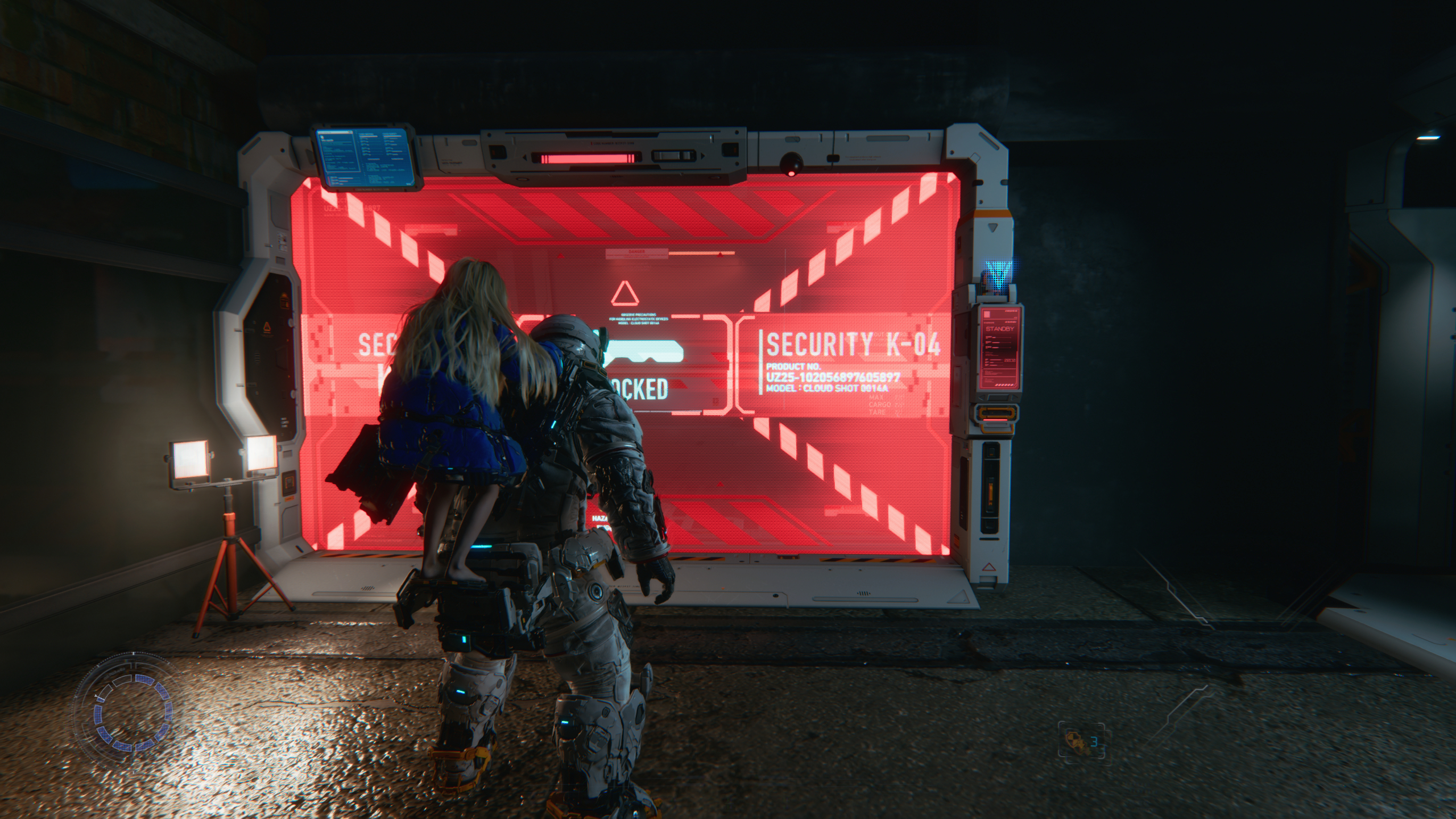
Red Zones
Challenge arenas that require you to find a nearby Red Gate Key to open. After killing the enemies inside, you’ll be rewarded with heaps of Lunafilament and other materials, and unlock tiles on Cabin Stamp Club boards.
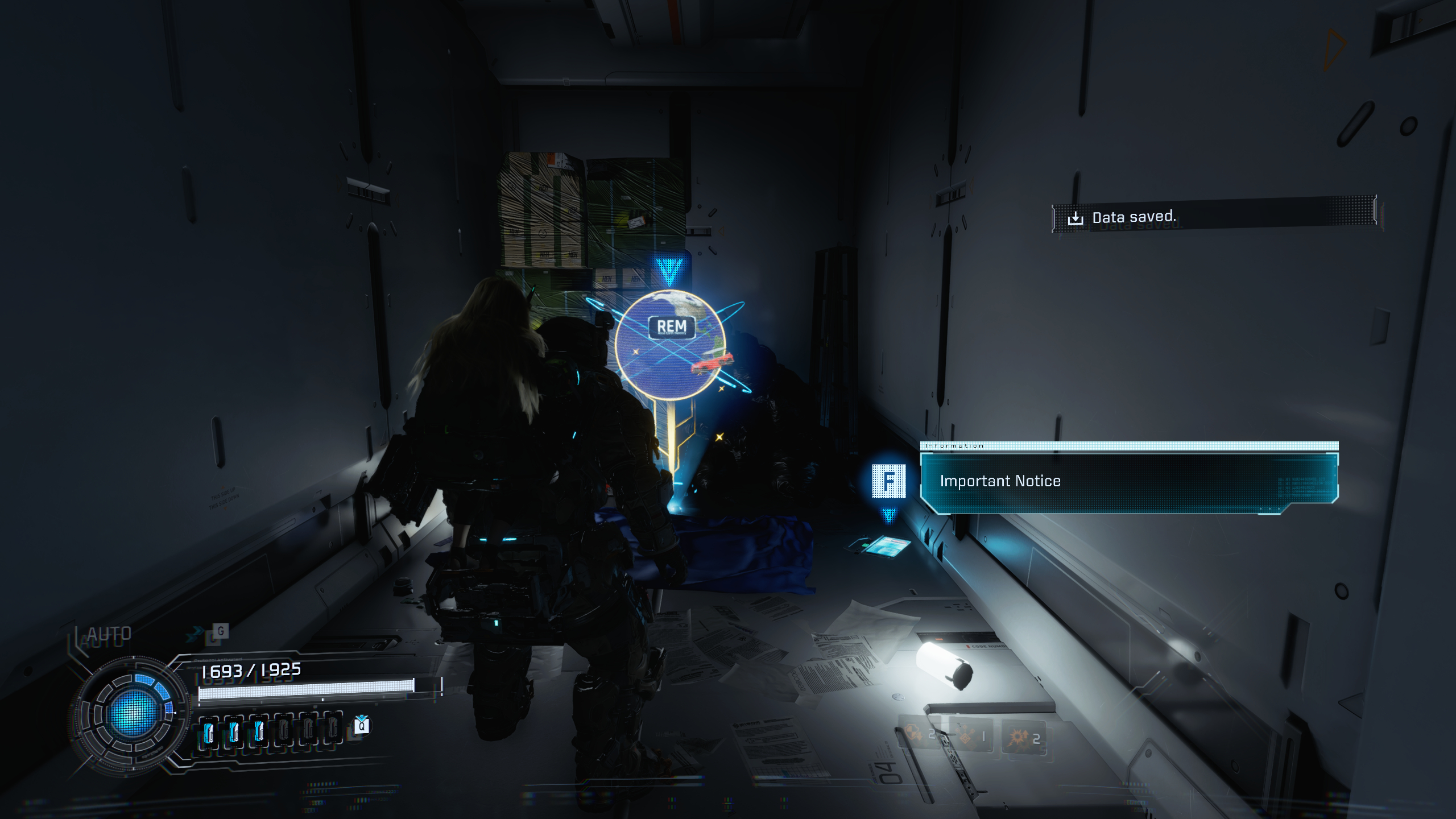
Read Earth Memories
Relics of Earth hidden around the map that you can collect and gift to Diana at the Shelter. While the item you receive is different, the collectible pick-up always looks like a globe.
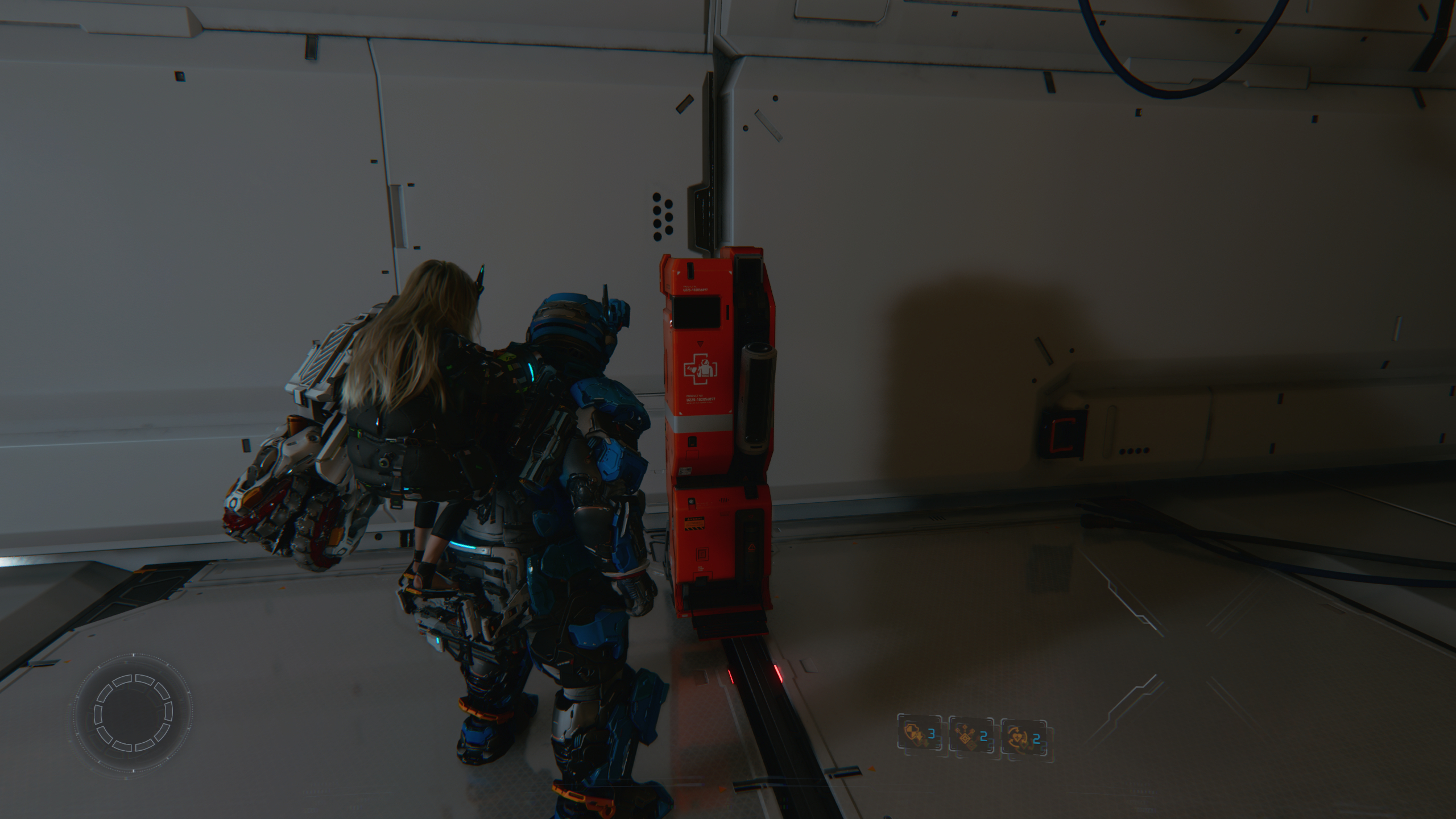
Cartridge Holder
Increases the number of Repair Cartridge healing items you can hold.
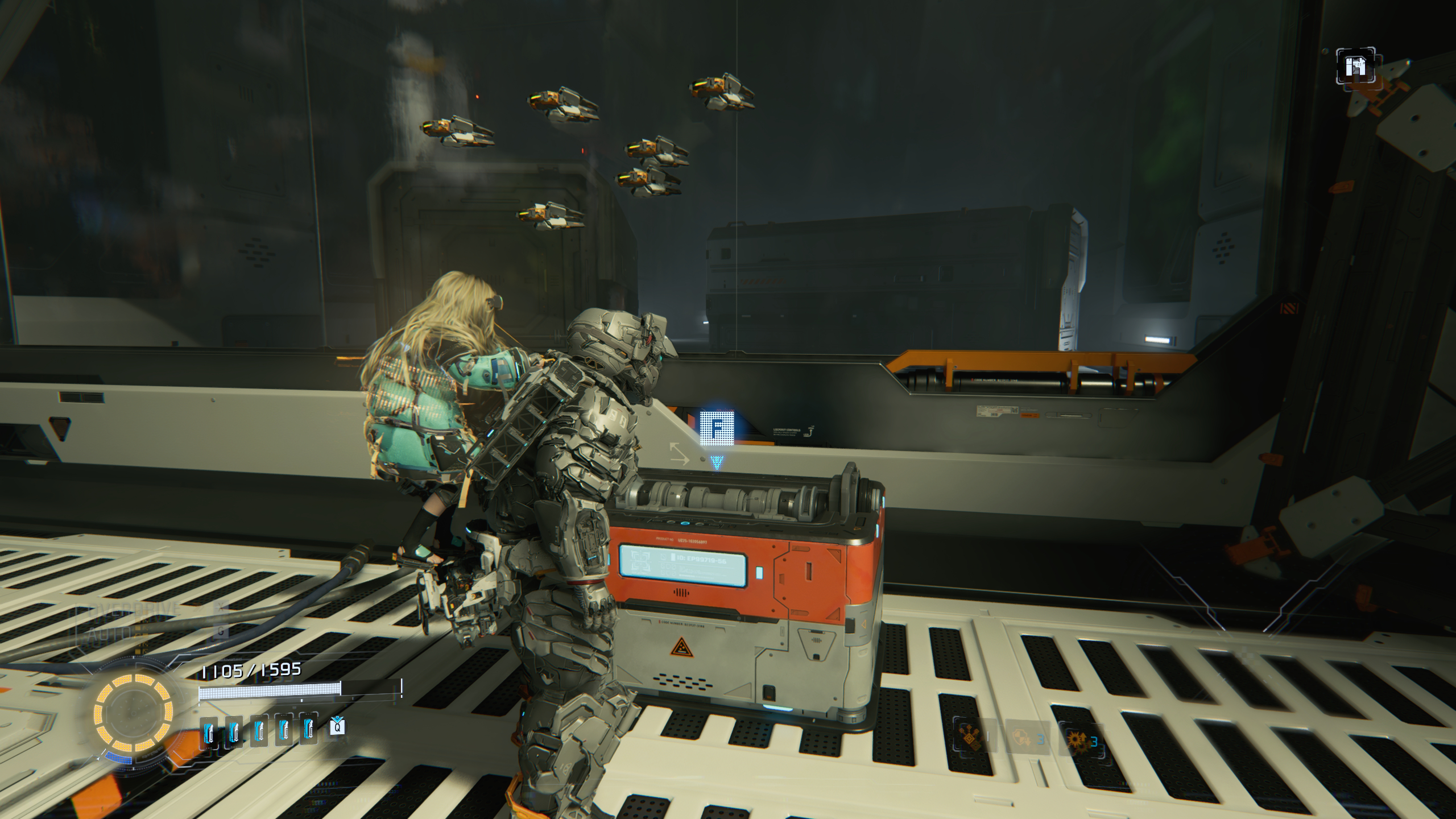
Safe Boxes
Large chests that typically contain heaps of Lunafilaments for upgrades.
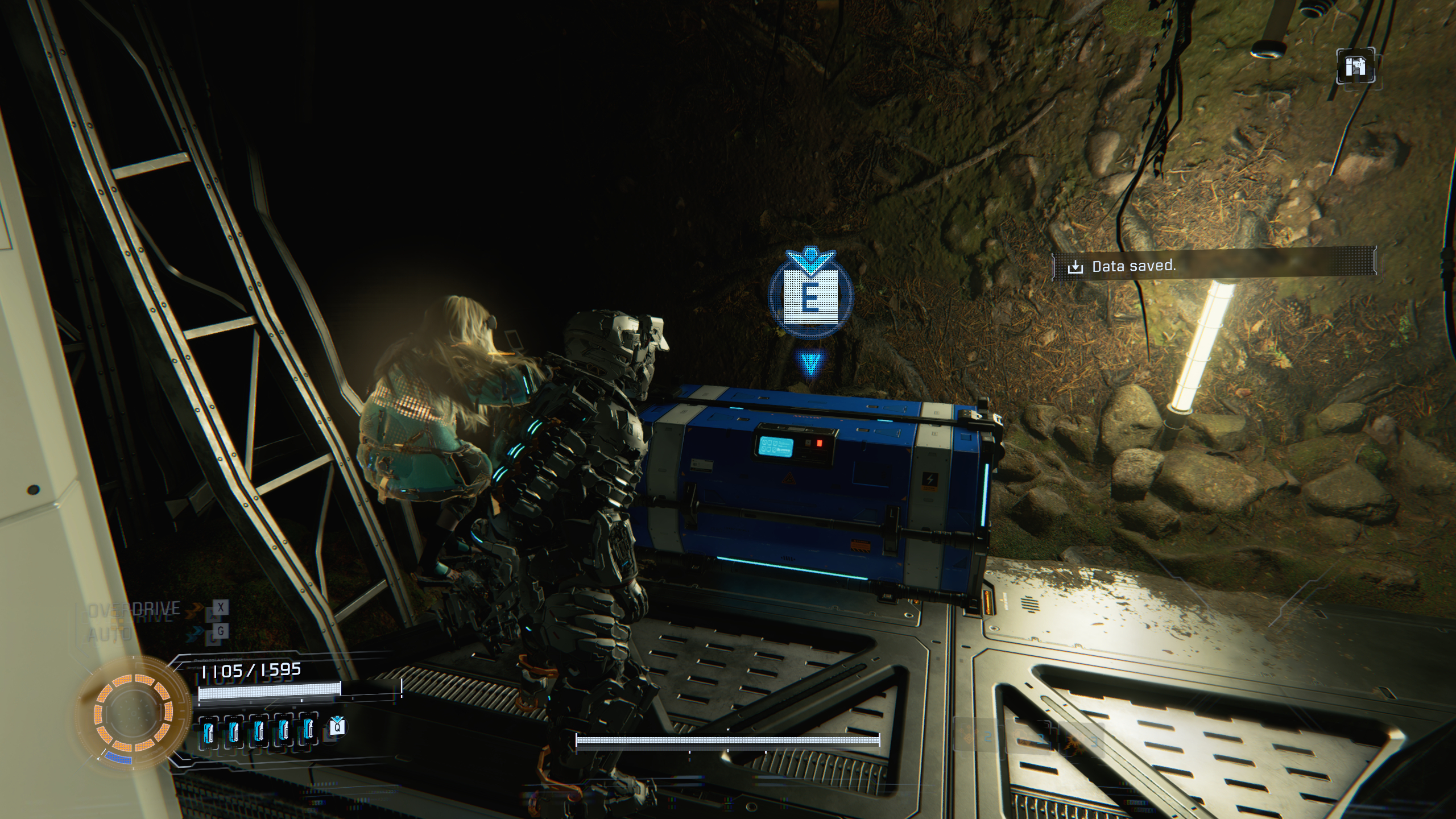
Mods
You can find various mod consumable items around the map, which you can equip to your loadout using the Tram Terminal at the Shelter.
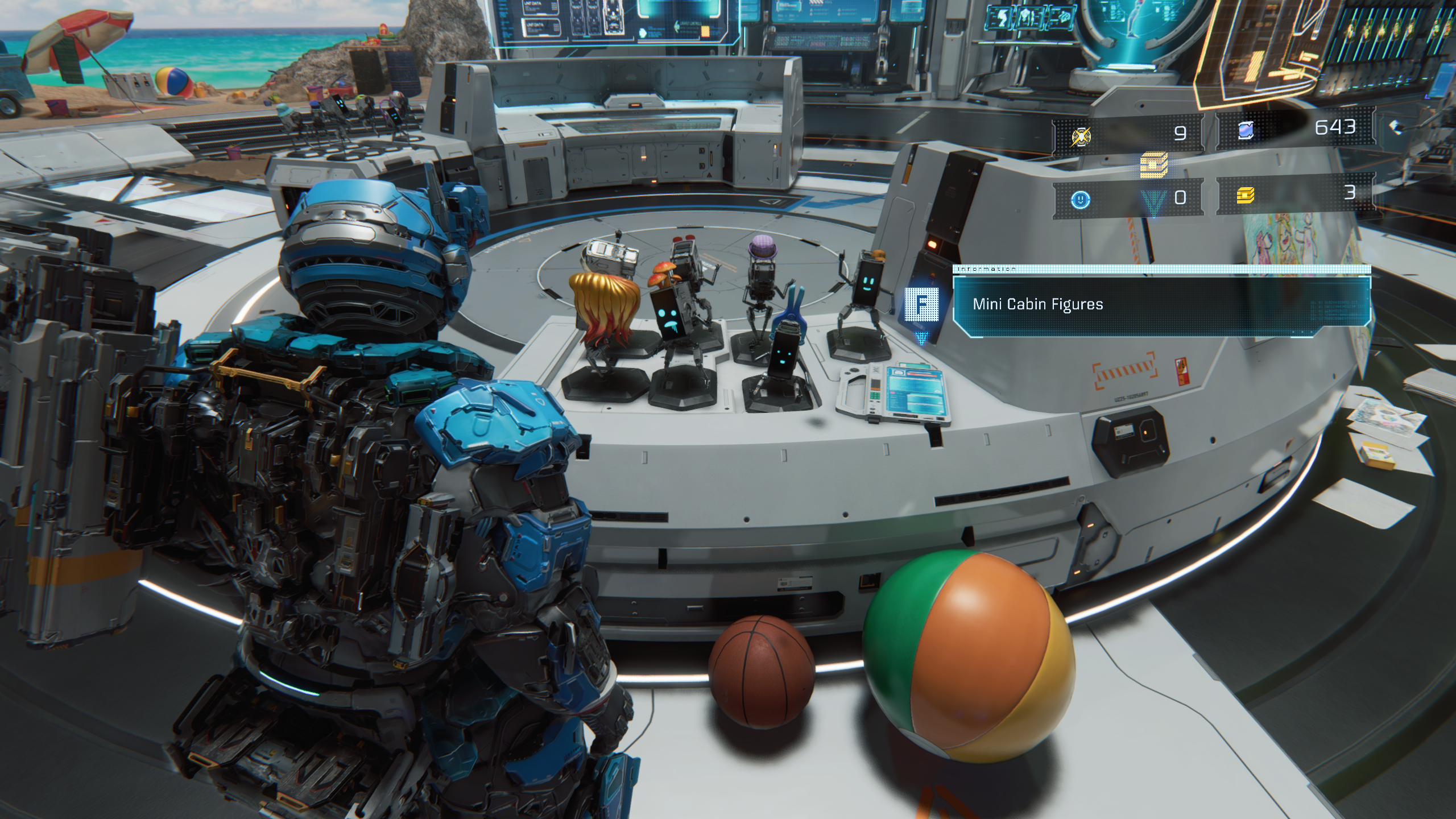
Figures
Collectible figurines that you can shoot, which will add them to your display back at the Shelter. They make a distinct call when you’re nearby.
New Game+
I won’t give any spoilers here, but after beating Pragmata’s main story for the first time, you’ll unlock a unique outfit for Hugh and Diana, a new weapon, and most importantly, NewGame+ mode.
Pragmata’s NG+ mode lets you restart the story with all your gear and upgrades, like you’d expect, but you can also pair it with the Lunatic difficulty setting you unlock. Lunatic difficulty makes enemies stronger, but features new weapon upgrades.
Upon finishing the game, you’ll also unlock Unknown Signal. This is a post-campaign mode that adds new content that you can access in your main save—you don’t need to enable NG+. Unknown Signal provides new Sim Pod challenges in the Hidden Chamber that reward you with special weapons and outfits.
How long is Pragmata?
Taking inspiration from the Xbox 360 era in more ways than one, Pragmata is roughly ten hours long. If you’re aiming to get 100% completion on each level, then it’ll take you a good 15-20 hours to complete. For reference, I finished my first playthrough in 16.8 hours and collected most items, but I’ve still got a few things left to find, plenty more Cabin Training challenges, and the Sim Pod missions unlocked with the Unknown Signal mode. Of course, that’s not including NewGame+ either.
Read the full article here