
The idea is so simple: generating power from the heat trapped beneath the Earth’s crust. It’s clean, renewable and potentially abundant. The challenge is how to map what lies beneath — and efficiently tap it.
Pacific Northwest National Laboratory is partnering with chipmaker Nvidia and Fervo Energy, a leading geothermal company, to build a publicly available, digital twin that will create physical models of geothermal reservoirs to optimize power generation.
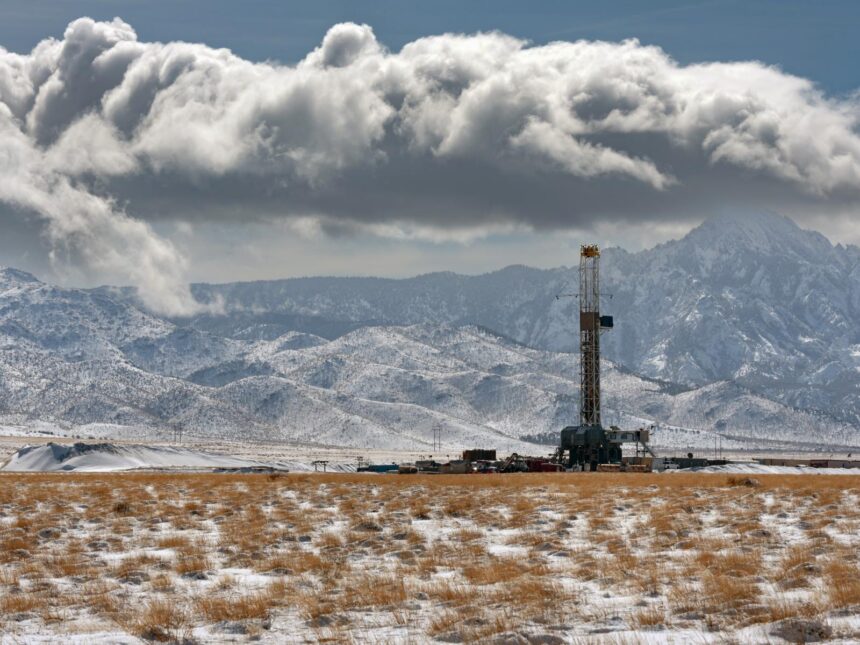
Geothermal energy is produced by drilling wells that push cold water to depths of up to 10,000 feet below the surface — for comparison, Seattle’s Space Needle is 605 feet tall. The water flows through a network of underground fractures, which can be widened and connected through high-pressure injections. Expanding those fractures allows water to reach higher temperatures before returning to the surface, where it produces steam that spins power turbines. Underground rocks at those depths can reach 555 degrees Fahrenheit.
“Plant operators need to answer questions like ‘How many monitoring wells does the system need? How do we design those wells? How much water should we inject?’” said Maruti Mudunuru, an Earth scientist at PNNL and principal investigator of the project, in a statement.
Current models are too slow to provide meaningful insights and guide operators addressing problems in wells, reservoirs or pipelines in real time. Those delays, Mudunuru added, “can lead to an underutilized resource.”
PNNL researchers will train the AI models; Nvidia will contribute technical expertise and data center infrastructure for the virtual twin; and Fervo is providing proprietary data from its geothermal sites in Nevada and Utah.
Geothermal is viewed as an increasingly promising source of clean energy and attracting interest from investors and tech companies hungry for electricity. Earlier this month, Endurance Energy, a Seattle-based startup looking to extract energy from beneath the ocean floor, announced $54 million in funding.
Fervo launched its Nevada commercial pilot, Project Red, in 2023, supplying 3 megawatts to a grid serving some of Google’s data centers. The company is now building its Cape Station plant in Beaver County, Utah, which is expected to begin delivering electricity to the grid later this year and will ultimately generate 500 megawatts — enough to power a small city.
Fervo’s design captures steam in a closed-loop system that returns it below the surface. The company raised $2.17 billion in its initial public offering last month, according to PitchBook.
The AI models generated by the project will be incorporated into Nvidia’s Omniverse libraries. The final product — named the Enhanced Geothermal System Twin, or EGS Twin — should be completed by 2029. It is funded by the Department of Energy’s Hydrocarbons and Geothermal Energy Office.
Read the full article here