

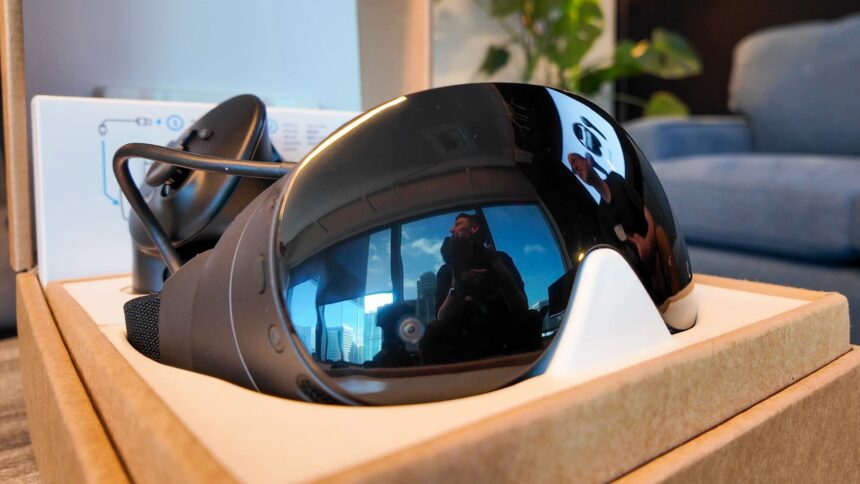
It’s been seven and a half years since Valve first released Proton, a software compatibility layer that allows games developed for Windows to run on Linux-based operating systems, such as SteamOS. Since that time, Proton has been regularly updated, and the latest v11.0 beta release packs a whole host of fixes for games. However, Valve has also quietly dropped another version, exclusively for PCs with an Arm64 processor.
One sharp-eyed Redditor spotted this and gave it a go, with mixed success, but if you head over to SteamDB, you can see the update for yourself. It’s worth noting that this is very much a test build, and it’s reportedly quite wonky donkey, but with a label of Proton 11.0 (ARM64), it’s blatantly obvious what device this version is for.
linux_gaming from r/linux_gaming/comments/1snjr0r/valve_kinda_released_arm64_proton_lol_works_on_my
No, not Apple MacBooks or laptops with Qualcomm Snapdragon X processors, though at least one of these can run this new Proton, as the Redditor discovered. This Arm-flavoured piece of software exists because Valve itself is using a chip with such an architecture, and it’s the one that powers the Steam Frame.
The eagerly anticipated VR headset uses a Qualcomm Snapdragon 8 Gen 3 (SM8650) processor, which houses a total of eight little Arm Cortex CPU cores. If you’re using your gaming PC to run games through the headset, then Proton isn’t required, but for anything directly hosted on the Frame itself, the compatibility layer will kick in if the game is Windows-based.
It’s worth noting that Proton itself is for the operating system side of things. To get x86 code working on Arm hardware, a translation layer called FEX is used, and as things currently stand, there’s a fair-sized performance hit involved.
Since this is a beta update of Proton, and coupled with the fact that Valve hasn’t officially announced the Arm version, it suggests that the retail release of Steam Frame isn’t quite ready yet. But it’s surely not far off, and out of the trio of new products Valve has announced (Steam Frame, Steam Machine, and Steam Controller), this is the one that I’m most interested in.
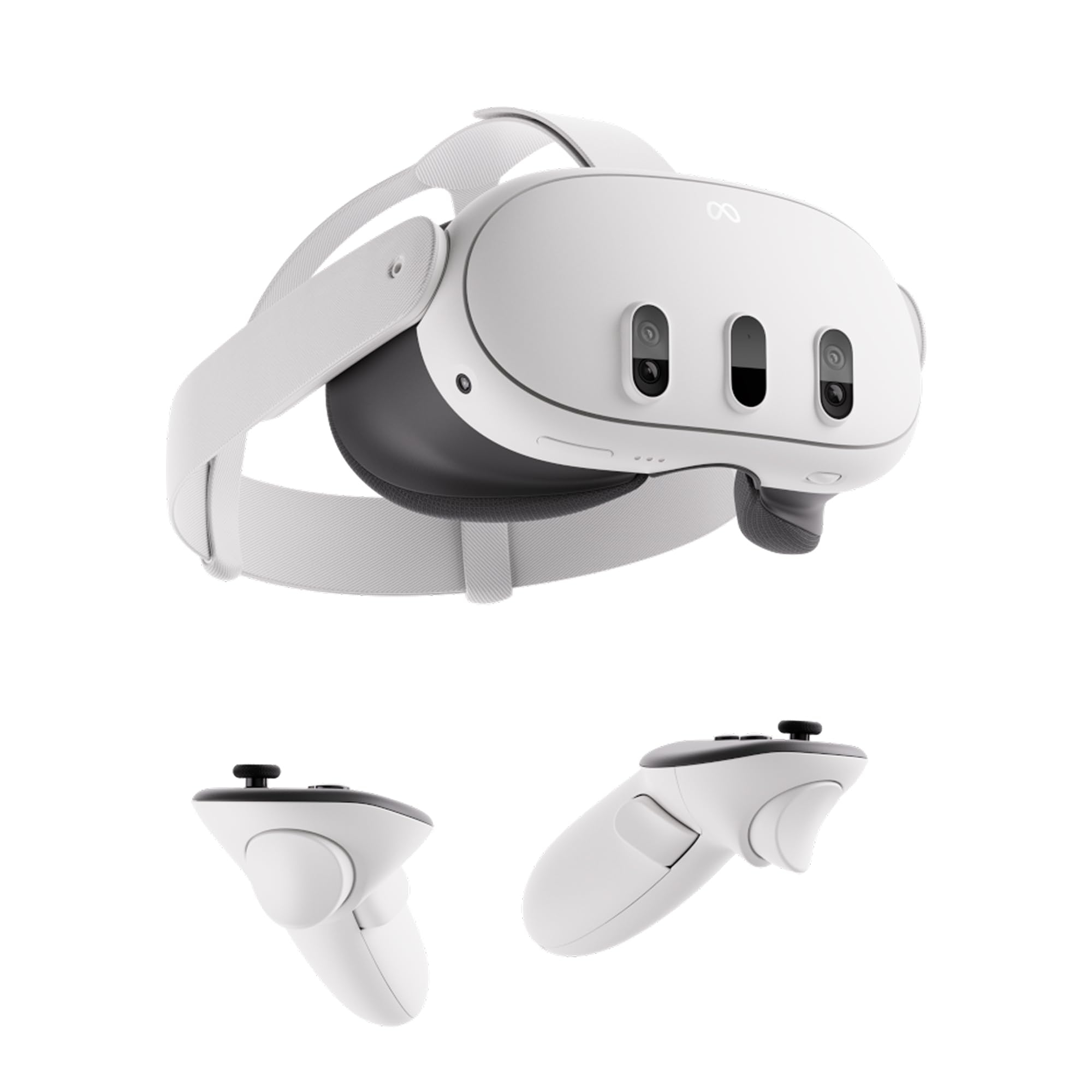
I currently use a Meta Quest 3S for VR gaming on my main PC, and the one thing I don’t like about the whole experience is the fact that I need to use a hefty optical fibre USB cable to get the best experience. Over Wi-Fi, it’s just not the same, as the increased latency and reduced bandwidth are quite noticeable.
The Steam Frame uses a dedicated 6 GHz wireless dongle to basically stream games from your PC to the headset, and our Jacob came away very impressed by the Frame’s wireless nature when he tried it himself. No cables, no lag: just pure, untethered VR gaming.
If I do eventually swap my Quest 3S for a Steam Frame, I probably won’t be leaning on Proton very much, but I’m mightily impressed that Valve is at least giving me the option to enjoy a bit of Windows-based gaming, without the need to fire up my big ol’ PC. And if the future of PC gaming is going to shift away from being almost entirely x86-focused, then it looks like Valve is already prepped for it.
Best VR headsets 2026
Read the full article here