
Amazon.com and Alexa are finally talking to each other.
The tech giant on Wednesday announced Alexa for Shopping, a new capability that connects its Rufus e-commerce chatbot with its Alexa+ assistant, aiming to unify product research, user preferences and shopping activities across Amazon’s apps, websites and Echo devices.
The move comes as consumers increasingly turn to popular AI assistants like OpenAI’s ChatGPT and Google’s Gemini for shopping advice. By creating a more integrated AI shopping experience, Amazon is aiming to keep that research and the resulting purchases on its own platforms.
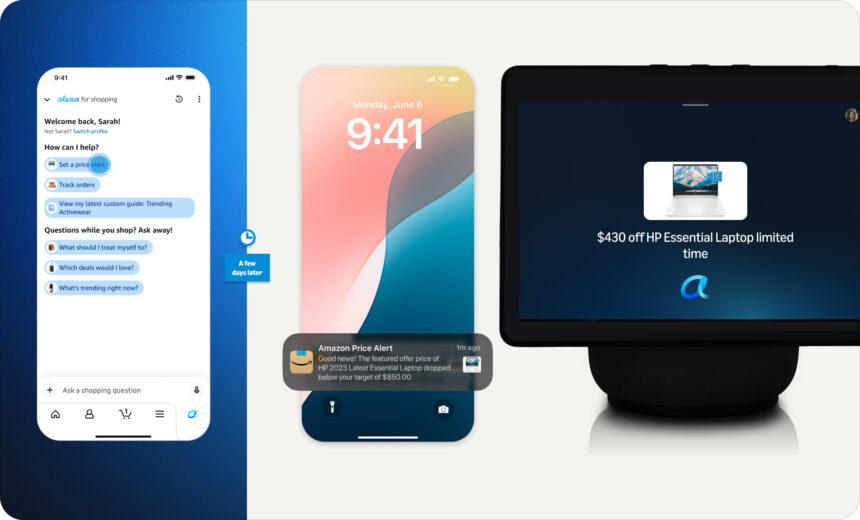
Several of Amazon’s new features reflect the broader push into agentic AI, which takes action on a customer’s behalf. For example, Alexa for Shopping can monitor prices and automatically purchase an item when it hits a target, or restock household essentials on a schedule.
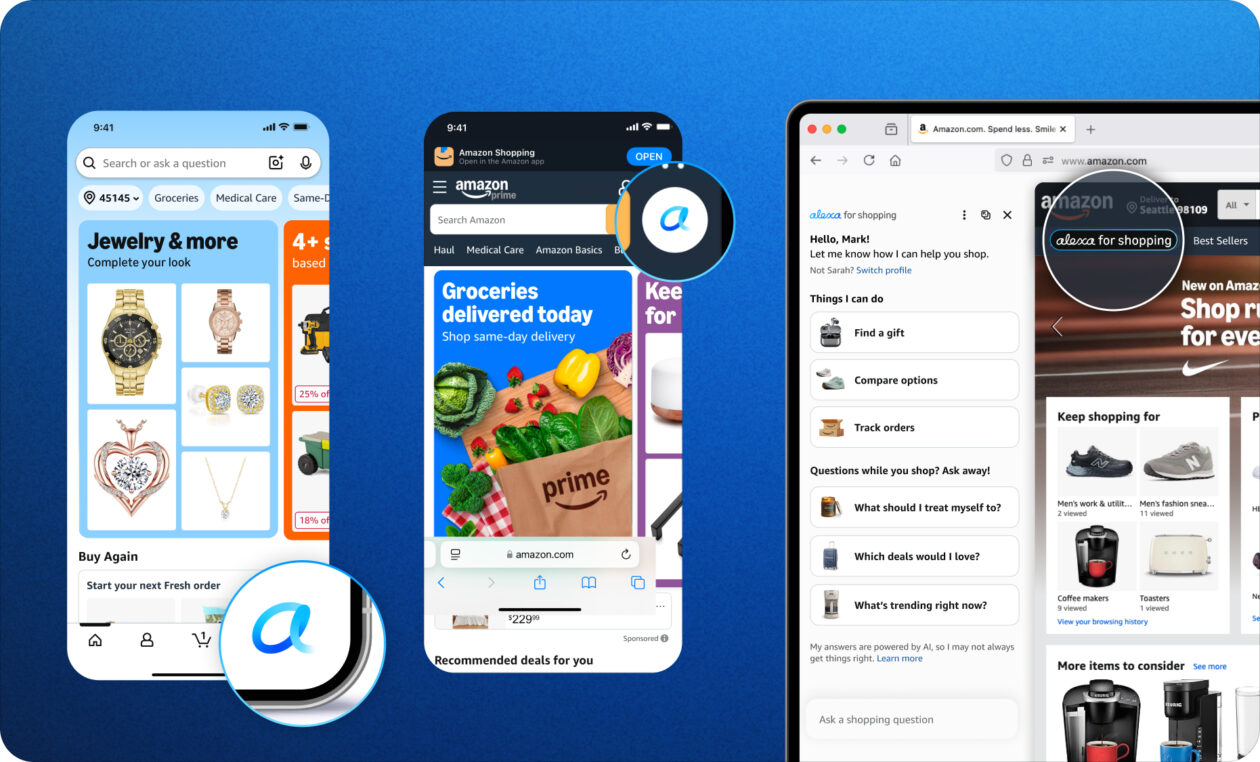
With the integration, Amazon is retiring the “Rufus” name from its shopping interface, replacing the chatbot with Alexa for Shopping branding in its app and on its website. Amazon says Rufus will continue to power parts of the experience behind the scenes.
Broader landscape: ChatGPT, Gemini and Perplexity have all launched shopping features in recent months, with Google enabling in-chat checkout from retailers like Walmart and Wayfair. (OpenAI pulled back on its in-chat checkout feature in March after it failed to gain traction).
Amazon is also looking to keep rival AI agents off its platform: A federal judge in March blocked Perplexity’s Comet browser from shopping on Amazon on behalf of users, though the order was stayed pending appeal. In a statement at the time, Amazon called it “an important step in maintaining a trusted shopping experience for Amazon customers.”
On the product front, Amazon is betting that a unified and personalized experience will matter more to customers than the ability to compare products across retailers in a general-purpose AI assistant.
Rollout details: Alexa for Shopping will roll out in the U.S. over the coming week, the company says. It will be available for free to customers signed into an Amazon account through the Amazon Shopping app and Amazon.com, with no Prime membership, Echo device or Alexa app required.
The company is also bringing the full Amazon shopping experience to Echo Show devices, starting with Alexa+ customers on the latest Echo Show 15 and 21, with other devices to follow.
Use cases and features: Rajiv Mehta, Amazon’s vice president of Conversational Shopping, said the company saw customers starting shopping “missions” in one place and restarting them somewhere else because Rufus and Alexa didn’t share memory or context.
The idea is that “the customer doesn’t have to think about where they started a discussion with Amazon,” Mehta said in an interview with GeekWire. The feature uses what customers have already told Amazon once, then makes that context available on other Amazon devices, sites, and apps.
For example, citing his own usage, Mehta said a customer could brainstorm a science fair project with Alexa on an Echo device, then open the Amazon app and ask for supplies without re-explaining the project. Or a shopper could research laptops in the Amazon app, set a price alert, and get notified on their Echo when the price drops, and buy it with a voice command.
Other features in Alexa for Shopping include:
- Asking questions directly in the main Amazon search bar, rather than opening a separate chat window.
- Scheduled actions that automate tasks like restocking household essentials, getting alerts when a favorite author releases a new book, or adding a product to a cart when it drops below a set price.
- Custom shopping guides for big purchases that compare features, prices and reviews across Amazon and the web.
- Product price history expanded to a full year, up from 30 and 90 days.
Privacy implications: Amazon says customers will be able to review and manage their Alexa interactions and conversations through the Alexa Privacy Dashboard.
Mehta said customers can delete specific Alexa for Shopping conversations and opt out of having those interactions stored as part of the shared context between Alexa and Amazon’s shopping services.
Amazon’s evolution: Rufus launched in 2024 and was used by more than 300 million customers in 2025, according to the company. On Amazon’s most recent earnings call, CEO Andy Jassy said monthly active users of Rufus were up more than 115% and engagement was up nearly 400% year over year.
Jassy compared third-party AI shopping agents to the early days of search engines referring business to e-commerce. Those agents lack personalization features and shopping history and often can’t get pricing or product information right, he said, noting that customers who want to shop at a specific retailer will often start with its own assistant as a result.
Amazon’s ambition, Jassy said, is to develop “the best shopping assistant anywhere.”
Read the full article here