


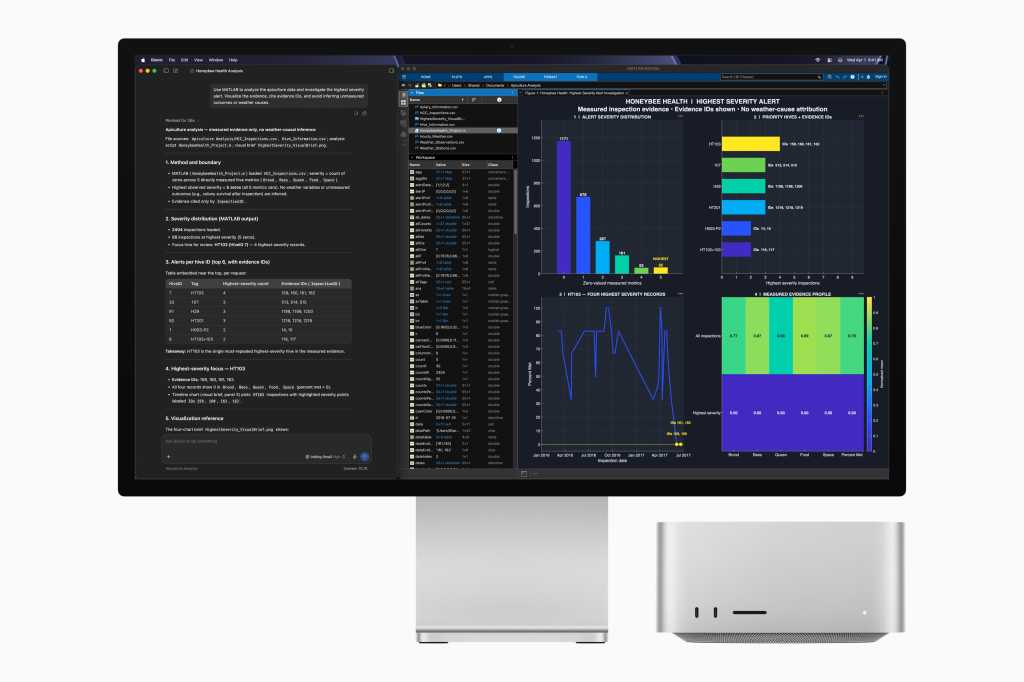
Basically, once you’ve invested in on-premises capacity, you can divert mundane AI tasks to those machines for processing — limiting costs, boosting security and releasing capacity, turning to cloud-based models only when higher end AI solutions are required. While that’s good news for Apple, that’s bad news for many AI companies’ revenue models. (Perhaps they should have recognized that even the most advanced LLM’s will run on a standard iPhone eventually.)
The other advantage is that if AI is not used as widely as expected across a company, the same hardware can be used for other company tasks.
What’s actually happening
Enterprises already…
Read the full article at COMPUTERWORLD.COM