

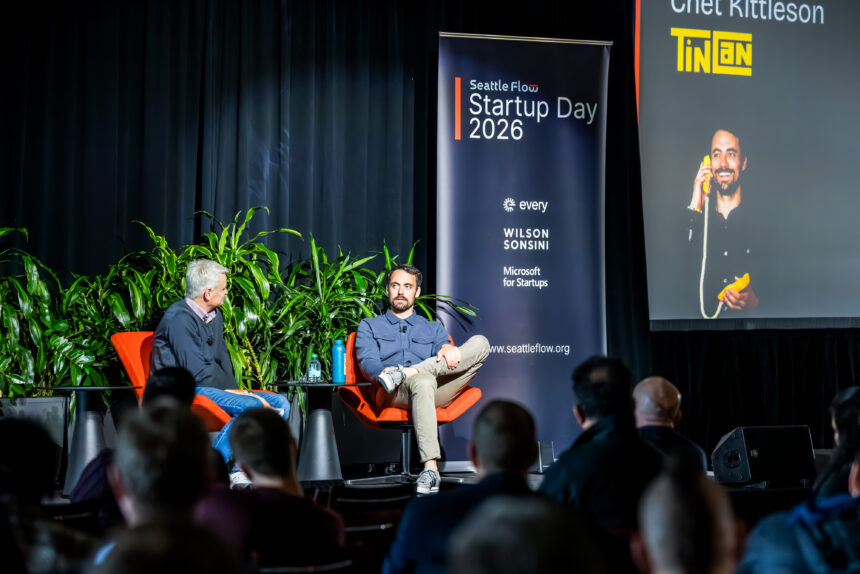
This past Christmas, Chet Kittleson was in the back of a minivan watching his startup die in real time. His company, Tin Can – a reimagined home phone designed for kids – had shipped close to 100,000 units for the holidays. Then the network went down. Support tickets went from 50 to 30,000 in a single day. Strangers on Instagram called him a fraud.
“I probably should fire myself,” he remembers thinking. “I might not be the right person for the job.”
He didn’t. Instead, at Seattle Flow Startup Day last week, he shared how Tin Can survived the outage and has since sold hundreds of thousands of phones almost entirely by word of mouth.
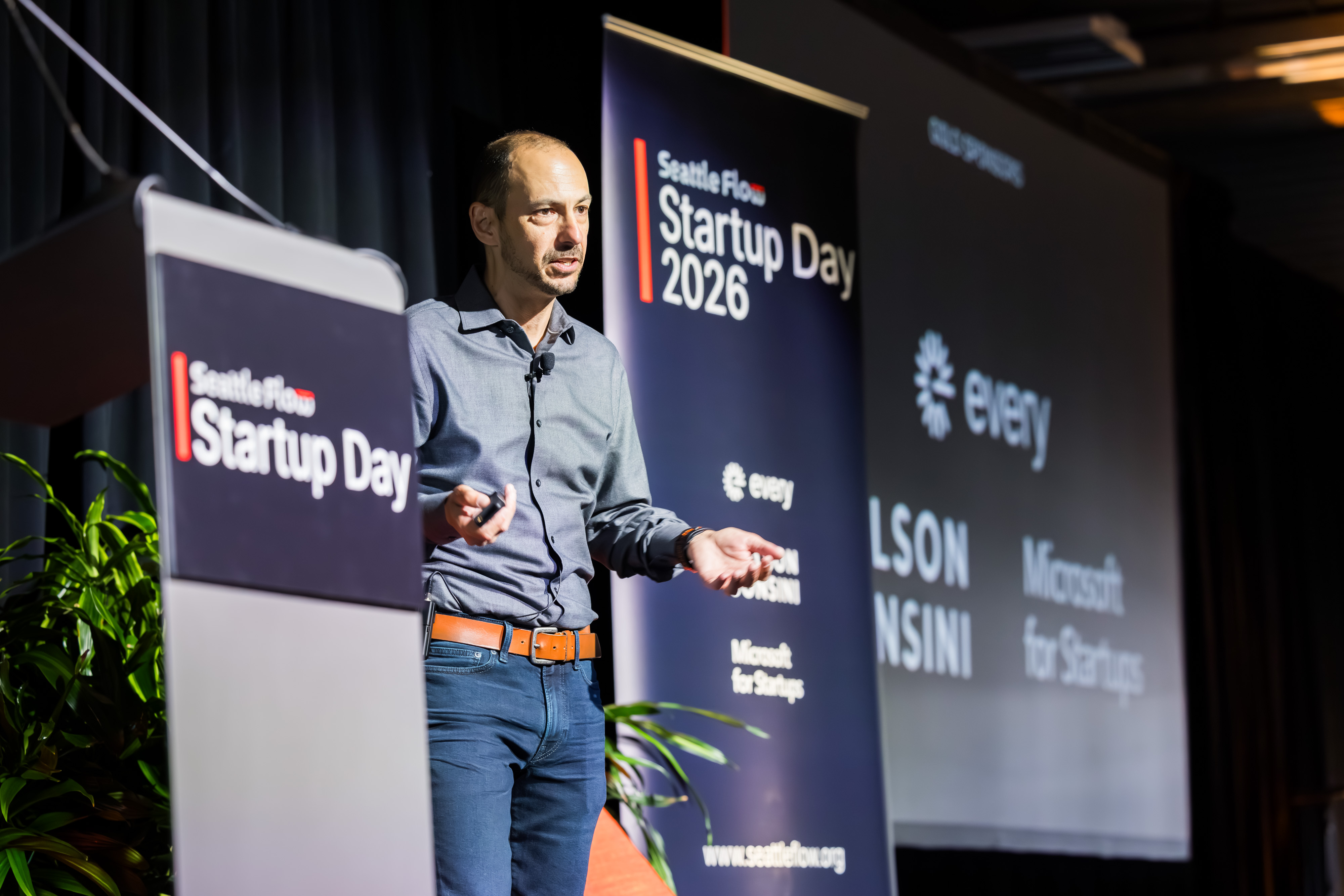
Most startups fail, and according to CB Insights, 43% of venture-backed companies fold because they misjudged product-market fit. The risks are emotional as much as financial, with 87% of founders feeling lonely, and nearly 60% worrying daily about going out of business, according to a survey Wilbur Labs published this year.
Kittleson and other seasoned founders at Startup Day have lived most of these statistics. They’ve built and sold companies to Snapchat, Oracle, American Express and Palo Alto Networks for billions, collectively. They’ve also fundraised for months with nothing to show for it, hired the wrong people, and seen their businesses nearly collapse before recovering.
Here’s what they said new founders should do differently.
Build a company you care about
Kittleson’s previous startup, a real estate marketplace called Far Homes, checked all the boxes: interesting problem, experienced team, reasonable market. But when he started Tin Can, rooted in his own childhood memories and in watching his kids struggle to maintain friendships, he couldn’t stop talking about it.
“If you get the opportunity to build a business, don’t do it unless you’re ready to run into a burning building for it,” he said Friday. “It’s really hard if you don’t care.”
When it seemed Tin Can’s business was on fire during the network outage, Kittleson dropped subscription charges for two months and penned personal emails to customers. It became a bonding experience for the team, and an authentic way to connect with customers – physical letters of support came pouring through the mail.
“I wouldn’t change a thing,” he said, “and I will never do it that way again.”

What starts with passion can lead to emotional ups and downs. It’s important to detach your emotional state from your company’s daily performance, Ambika Singh said.
She led her decade-old clothing rental subscription service Armoire through the highs of 300% growth, and the lows of the COVID-19 pandemic nearly destroying the business. Her way of building resilience is continually taking “micro risks” to learn how to cope with failure, and not “riding the waves” of crisis.
Overall, the wins and losses don’t last, said Maria Colacurcio, CEO of Syndio, a pay equity software company she’s led for eight years.
“You land an awesome customer, you land a round of funding, and the next day you still have to grind just as hard,” she said Friday. “You keep going. It doesn’t matter, either way, as long as you’re focused.”
Fundraise like a campaign – and question whether you need VC at all
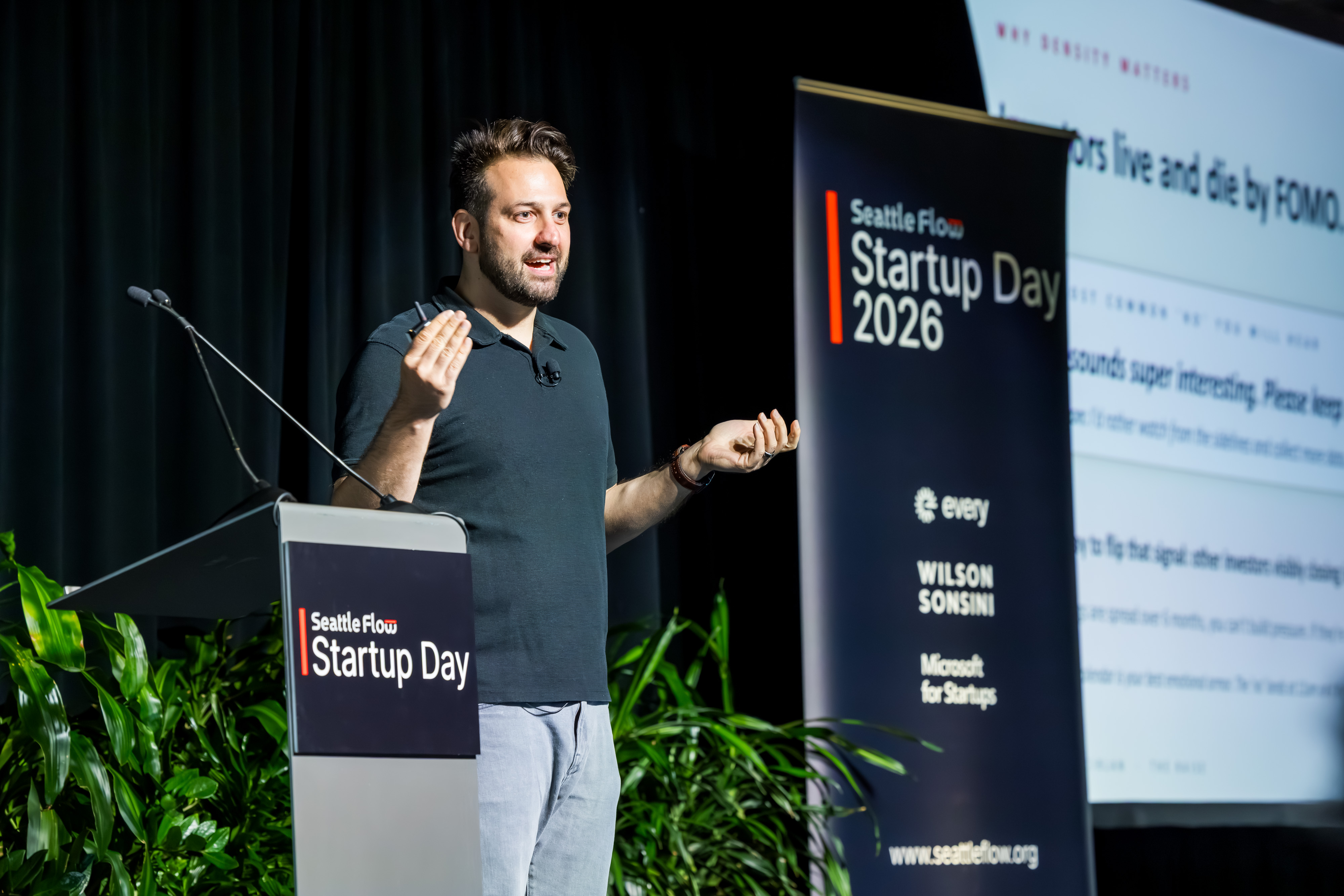
Marius Ciocirlan, co-founder and CEO of MarkOS, has raised capital for his own companies and invested in more than 36 startups. His first raise took six months to close $1 million. His second took 10 days to commit $6 million, with no product and no revenue.
His first tip – don’t rush warm introductions. Whether it’s through LinkedIn Sales Navigator or cold-emailing founders who recently closed seed rounds, spend days to weeks nurturing connectors before asking for an intro.
The main signal early-stage investors act on is whether other investors are interested, Ciocirlan said Friday. Compress meetings into a three-to-four week sprint. When an investor says, “sounds great, keep me posted,” don’t let them off the hook. Ask them directly how much they’d commit, contingent on finding a lead. Get it in writing.
“That helps the momentum of your round,” he said. “And when you fill your whole round, most likely they’re never going to say no.”

Meanwhile, Rand Fishkin, who has launched three startups since parting ways with Moz, challenges overreliance on venture capital. He structured his company SparkToro as an LLC, and raised $1.3 million from about 35 friends and connections. Five years in, the company repaid that initial investment, and investors now participate in profit-sharing dividends.
“The venture asset class is really not ideal for a lot of companies,” he said. “The failure rates are way too high. They get a huge portfolio. You get one company. That’s a terrible model.”
Define your company with your first hires
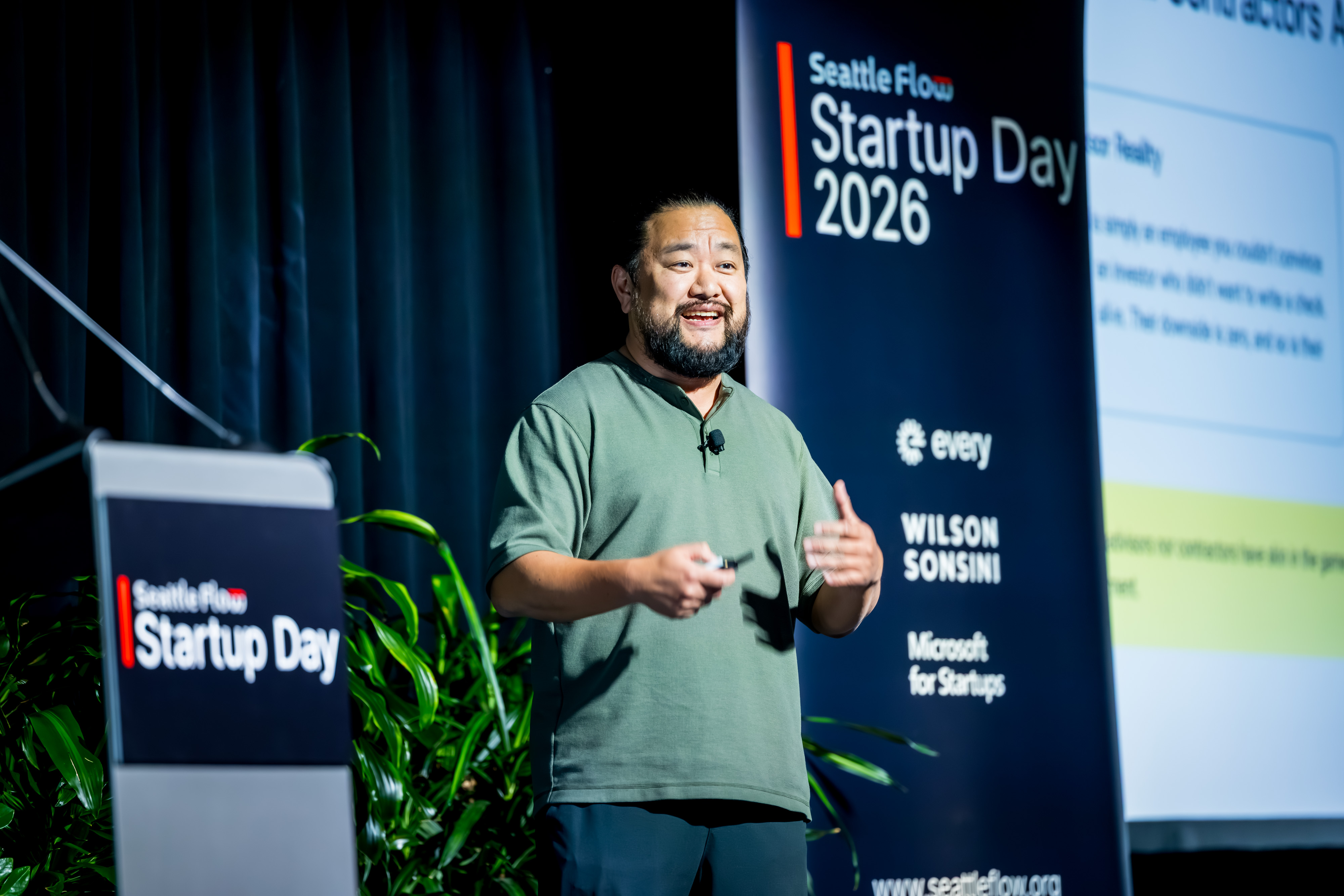
David Shim sold his location analytics startup Placed to Snapchat for $200 million, served as CEO of Foursquare, and now runs Read AI. For him, hiring the first 10 people is the most underestimated work in company building.
Avoid recruiters, contractors and advisors early on, he said Friday, and don’t mistake big-company pedigree for quality. Experienced operators from Google or Microsoft are often extraordinary, but are used to unlimited resources.
What early-stage startups need is what Shim calls “high agency”, or people whose answer to a resource constraint is “I’ll figure it out.” Hire people who are hungry, have something to prove, and you’d want to work with for the next decade, he said.
If you’re ready to go all in, Shim said, do more than you ask of anyone else. At Placed, he didn’t take a salary for 18 months.
“You have to live and breathe what you say,” he said. “You are the culture.”
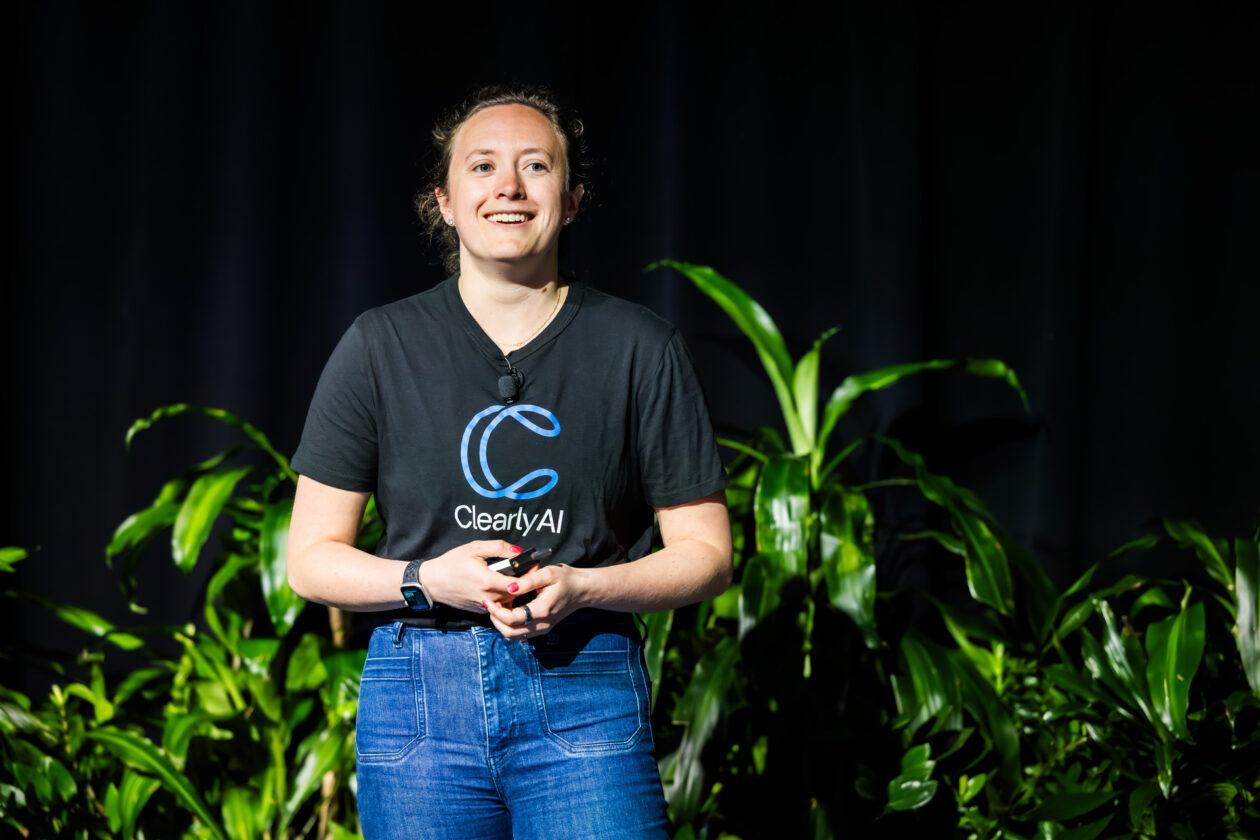
For Emily Choi-Greene, co-founder and CEO of Clearly AI, ensuring co-founders and early employees are on the same page requires founders to know their “why,” whether that be mission, money or autonomy.
If founders don’t know their answer and aren’t ready to jump in full time, she said, they should consider being an early employee for another founder. Plus, the risk-reward math can favor it.
Think acquisition early on

Ian Swanson has sold three companies for about a billion dollars combined and made 16 acquisitions. His message to early-stage founders is one most investors won’t give: start thinking about your exit on day one.
“Are you building a company, a product, or a feature?” he said Friday.
Founders who skip that question often chase an IPO that was never realistic. For most startups, a well-timed acquisition – achievable in three to five years – is more likely and just as life-changing.
Research potential acquirers, know who runs corporate development and build real relationships before you need them, he said. Swanson spent three years sharing market observations with the Palo Alto Networks team that ultimately acquired Protect AI.
And forget stealth mode.
“Without being loud about what you’re doing,” he said, “a buyer is not going to take notice.”
Read the full article here